
Vandaag of morgen in huis

Kwaliteit gegarandeerd

Welkomstaanbiedingen ontgrendelen: GRATIS bezorging | Tot 80% korting | Gratis 30 dagen JoyPlus-proefperiode
Download de app
Cold fingers, a slippery handlebar, or having to take your gloves off every time you use your phone – these are all too familiar problems for cyclists in the UK. The right cycling gloves can make a real difference to your comfort on commutes, leisure rides and outdoor sports. Yet the choice isn’t always straightforward. Terms like “warm”, “breathable” and “extra grip” only mean something when you know which features are actually listed in the product details.
In this buying guide, you’ll learn what to look out for, which common pitfalls lead to a bad purchase, and which models suit different riding situations.
Warm cycling gloves are handy for cold morning rides, but a thick lining can make it harder to operate brake levers and gears. So don’t just rely on claims like “winter” or “thermal”. Check the material, the fit, and whether the fingers are flexible enough.
A lined glove isn’t automatically suitable for long rides. Wind, rain and the intensity of your effort all determine how much insulation you actually need.
Cycling gloves with grip usually have a silicone print or other non-slip material on the palm and fingertips. Check exactly where that grip is placed. A small patch under the thumb alone may not help much with a smooth handlebar finish.
Also pay attention to the combination of grip and flexibility. A stiff palm can offer control, but may become uncomfortable if you change your riding position frequently.
With touchscreen cycling gloves, it’s important to check which fingers are designed for screen use. Some models only work with the index finger, others with the index finger and thumb. Performance can also vary depending on your phone case or screen protector.
A product description that simply says “touchscreen” without further detail is no guarantee that every tap will be registered without issue.
Polyester is common in cycling and sports gloves because of its lightweight, flexible properties. However, the fabric alone doesn’t determine how warm a glove feels. Also look at:
For sunny rides, there are also models that, according to their product name and description, are intended for cooling and sun protection. That doesn’t automatically mean they have a specific UV protection factor. Look for an explicit, verifiable specification for that.
A silicone print on the palm and fingertips can help you hold the handlebar more securely. The product information for the Dunlop Cycling Gloves Touchscreen Compatible, for example, mentions silicone grip on these areas. That’s more concrete than a general label like “anti-slip”.
For each model, check:
The labels cycling gloves size S M L XL are not identical across every brand. So measure your hand according to the supplier’s size guide. Pay particular attention to hand circumference and finger length.
A glove that’s too small can cause tension at the seams and fingers. A glove that’s too large can create folds or shift on the handlebar. For adult cycling gloves, a snug but not tight fit is usually the most practical.
With unisex cycling gloves, you need to look extra carefully at the measurements. The term “unisex” says nothing about the exact shape or sizing.
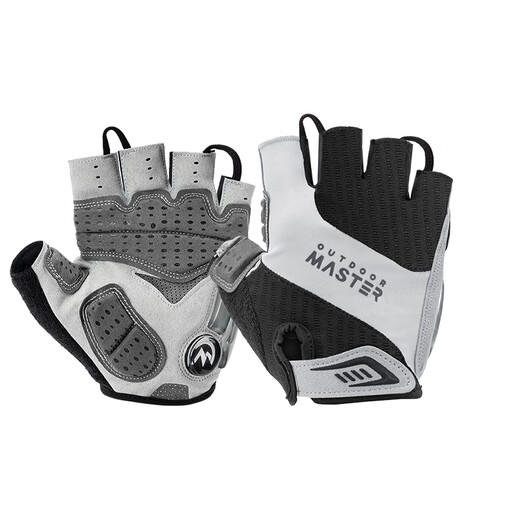
Why This Fits Their Persona: A black size M is a practical starting choice for adults who cycle regularly and want a neutral colour. The product page lists manufacturer and EU responsible party information; check the remaining features and size details there before ordering.
The size and colour are clearly stated in the product name. This stops you from relying solely on a generic photo or unclear size selection.
Black finish; size M; product information includes manufacturer and EU responsible party details.
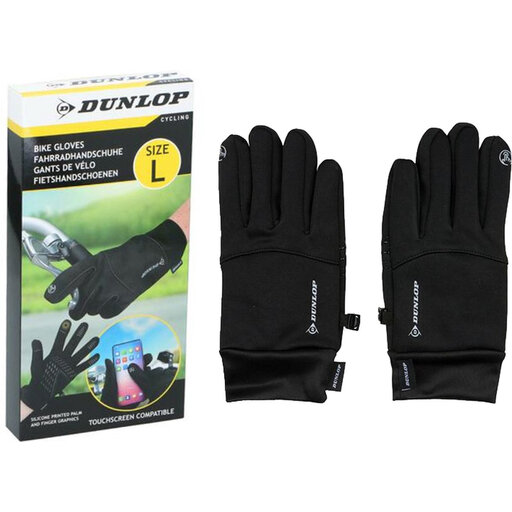
Why This Fits Their Persona: Suitable for cyclists who want to use their phone on colder rides without taking their gloves off. The stated size is L and the finish is black with silicone prints.
The product description specifically mentions touchscreen operation on thumb and index finger, a lined interior and silicone grip. This makes the stated features verifiable.
Touchscreen function on two fingers; polyester; washable at 30 °C; stated EU statutory warranty of at least two years.
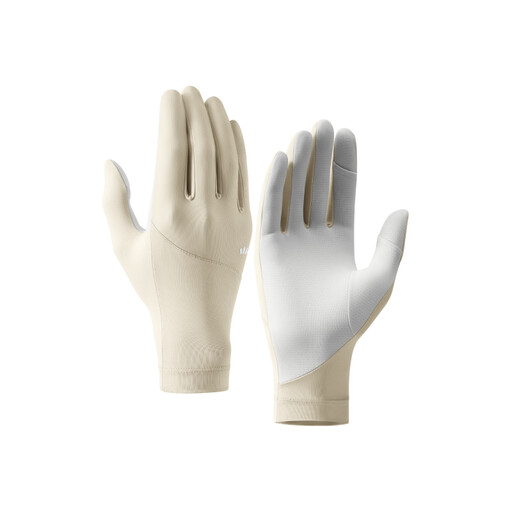
Why This Fits Their Persona: Aimed at cyclists and outdoor sports enthusiasts who ride mainly in warmer conditions. The product name mentions cooling, sun protection, unisex and one size.
The sizing is listed as F (one size). So check the measurements and the returns policy before ordering; one size doesn’t fit every hand the same way.
Unisex design; one size; choice of a light beige colour and a grey variant.
Browse a current selection of cold-weather gloves and compare size, material and use case before you order.
The OutdoorMaster models are available in black and orange, among other colours, with sizes S, M, L and XL. Because the product information provided mainly contains manufacturer and compliance data, it’s wise to view the full product page for material, closure, grip and touchscreen features. The models are available as, for example, OutdoorMaster Cycling Gloves Black S, Black L, Black XL, Orange M, Orange L and Orange XL.
Look for a model with a stated lining and sufficient freedom of movement. The Dunlop model mentions a warm lining, polyester and touchscreen operation on thumb and index finger. For wet conditions, you should also check whether water resistance is explicitly stated; warmth alone doesn’t mean a glove is waterproof.
Measure your hand according to the brand’s size guide and compare the result with S, M, L or XL. Also check the returns policy. A glove should fit snugly without pressure on your fingertips, knuckles or wrist. With one-size models, it’s especially important to check the stated measurements.
Always follow the washing instructions on the product page or label. According to the product information, the Dunlop gloves can be washed at 30 °C on a normal cycle. Afterwards, let the gloves air dry and avoid heat that could damage the material or silicone prints.
