
Vandaag of morgen in huis

Kwaliteit gegarandeerd

Welkomstaanbiedingen ontgrendelen: GRATIS bezorging | Tot 80% korting | Gratis 30 dagen JoyPlus-proefperiode
Download de app
Choosing a pair of cycling gloves seems straightforward. Yet many purchases prove disappointing. The gloves may feel too tight, become hot during a long ride or offer less grip than expected. Especially when choosing cycling gloves for men and women, fit is more important than a striking colour or a promising product name.
Pay particular attention to these three common pitfalls:
The selection below focuses on summer use, recreational cycling, road cycling and other outdoor sports. Always check the current product page, available sizes and colour options before buying.
The glove should fit closely without creating pressure points. Cycling gloves should generally not have loose space at the fingertips, but your fingers should not be pressed against the fabric either. Ideally, measure your hand circumference according to the brand’s size chart.
A model available in several sizes, such as S, M, L and XL, offers more choice than a one-size model. One-size cycling gloves can be practical if you want to use them for a range of activities, but the fit is less precise.
Also look out for:
For summer cycling gloves, air circulation is important. Check the product information for breathable fabric, mesh panels or a lightweight construction. These features can help you feel more comfortable in warm weather, but their precise effect depends on the material, fit and conditions.
You should therefore not interpret “cooling cycling gloves” as a guarantee of a specific temperature reduction. With the Beneunder models, the product name refers to summer cooling and sun protection. This is a claim made in the brand’s product presentation; do not treat it as independently proven performance. Also check that the palm offers sufficient grip for your type of handlebars.
If you go on long bike rides, you may be looking for UV-protective gloves. If so, check whether a specific UPF rating or other measurable standard is stated. The available product information for the models mentioned here does not specify a particular UPF rating or EN standard. You therefore cannot regard the gloves as certified sun protection based on the name alone.
For recreational rides, commuting and walking, lightweight outdoor sports gloves may be sufficient. For intensive road cycling, grip, a secure fit and avoiding chafing are generally more important than colour alone.
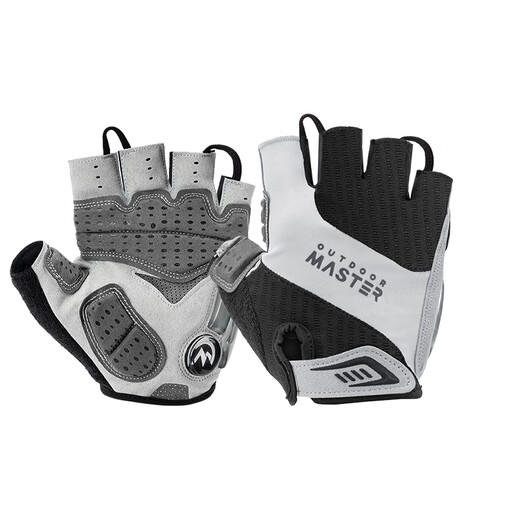
Why it suits this user profile: The black version in size M is a straightforward choice for regular cyclists looking for a neutral colour. This version is designed for cycling and has a fixed size designation.
Choosing size M avoids automatically opting for a one-size model without checking the fit first. Do check the size chart before buying.
Black colour; size M as a specific fit option; product name specifically focused on cycling.
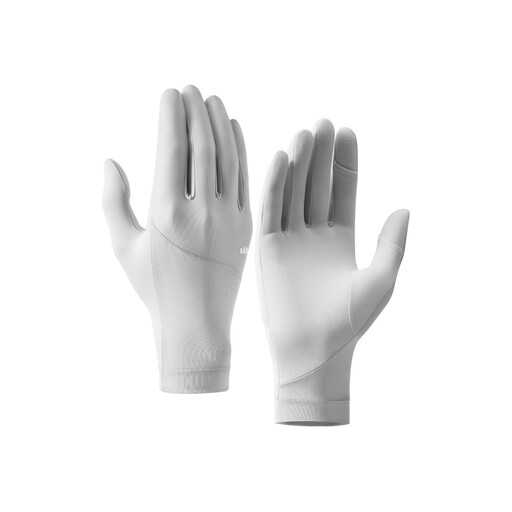
Why it suits this user profile: This unisex model is designed for cycling and outdoor sports. The grey colour is easy to coordinate, while the product name focuses on summer use, cooling and sun protection.
The product name makes the intended use clear, but does not specify a particular UPF rating. Check the current specifications rather than relying on the claim alone.
Unisex design; one-size fit; grey colour; described for cycling and outdoor sports.
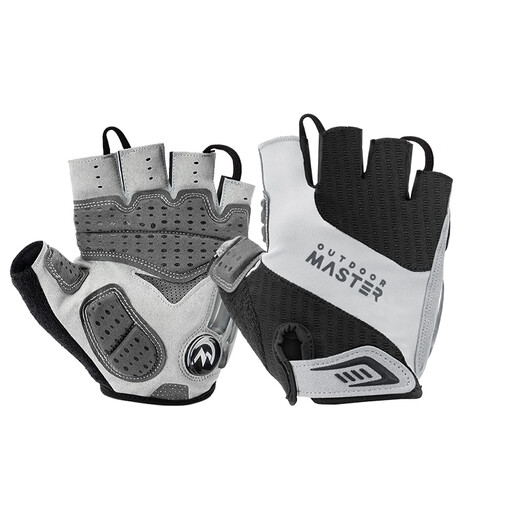
Why it suits this user profile: Size XL is suitable for cyclists who need more room than standard sizes provide. The orange version is more visually striking than black cycling gloves.
The XL version helps prevent an overly tight fit. Check your hand circumference and consider your personal preference for a close-fitting or roomier glove.
Size XL; orange colour; product name specifically focused on cycling.
Use this checklist before ordering cycling gloves:
A pair of cycling gloves will last longer if you clean them according to the care instructions, avoid storing them damp for extended periods and do not stretch the fabric unnecessarily. Wear on the seams, elastic or palm is a practical sign that it is time to replace them. Their lifespan depends on how often they are used and washed, as well as exposure to sunlight and friction against the handlebars.
We have put together a complete, up-to-date list of products that fully meet these strict selection criteria and the applicable European safety regulations.
Not every cyclist needs them, but they can be comfortable on longer rides. They provide an extra layer between your hand and the handlebars and can help reduce friction and contact with sweat. In warm weather, choose a lightweight design and check that the fabric offers sufficient ventilation.
Always follow the product’s care label. In many cases, hand washing or a gentle cycle is suitable. Do not use harsh bleach and allow the gloves to air-dry. A tumble dryer or direct heat can damage elastic components and synthetic fabrics.
Road cycling gloves are generally shaped around the position of your hands on bicycle handlebars. Outdoor sports gloves can be used more widely, for example when walking or exercising. Compare the grip, fit and freedom of movement with your own activity. Cycling gloves for men and women do not always differ in function; the right size and hand shape are what matter most.
