
Vandaag of morgen in huis

Kwaliteit gegarandeerd

Welkomstaanbiedingen ontgrendelen: GRATIS bezorging | Tot 80% korting | Gratis 30 dagen JoyPlus-proefperiode
Download de app
Cycling glasses protect your eyes from bright light, wind, dust and flying debris when you’re road cycling, mountain biking or out on a leisure ride. However, not every pair of sports sunglasses is suitable for intensive use. A low price might be tempting, but a poor fit or fragile lens often only becomes apparent once you’re on the road.
So pay particular attention to three common pitfalls:
Look for a clear mention of UV400 protection. This refers to protection against ultraviolet light up to a wavelength of 400 nanometres. The term doesn’t automatically tell you anything about the colour, mirroring or light transmission of the lens.
For everyday cycling in the UK, the tint also matters:
Also pay attention to the lens category if it’s stated. A pair of UV400 cycling glasses isn’t necessarily suitable for every time of day.
An impact-resistant cycling lens is designed to withstand things like small stones, twigs or insects better than a standard lifestyle pair of sunglasses. A wide, wraparound lens also offers a larger field of view and can help reduce wind from the sides.
According to the product description, the Revoray X3-blue uses an integrated PC lens made from a single piece. PC stands for polycarbonate, a plastic known for its low weight and high impact resistance. According to the brand and product information, this lens combines impact resistance with UV400 protection. This is a product claim from the seller; always check the current specifications and any conformity information before purchasing.
A lightweight pair of cycling glasses is especially comfortable on longer rides. A heavy frame can put pressure on your nose and ears over time. A TR90 cycling frame uses a thermoplastic material that, according to the product information, is flexible and retains its shape.
When it comes to fit, look for:
A road cycling glasses with an anti-slip fit should stay firmly in place without feeling tight. Ideally, test the movement while wearing your helmet. For mountain biking, stability is even more important due to vibrations and sudden movements.
In the product selection provided, there is one product that genuinely matches the specifications for cycling glasses. Therefore, no other items are recommended as cycling glasses: a yoga mat, a household appliance or a massage device has a different function and would not be an objective choice here. The same pair of cycling glasses can, however, suit different user profiles, depending on how they’re used.
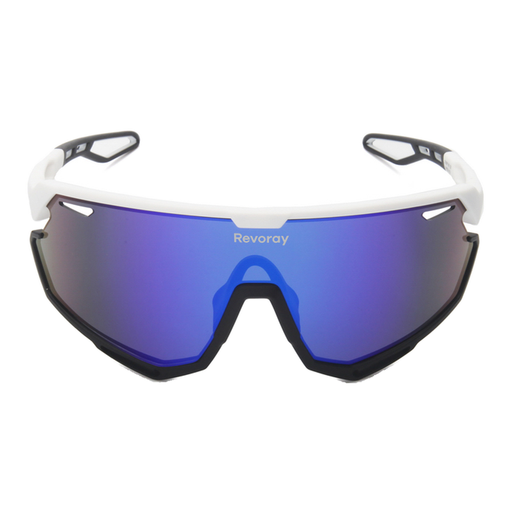
Why this suits the profile: For those starting out with road cycling or regularly enjoying leisure rides, this model offers several relevant features without needing to combine a separate racing pair and everyday sunglasses.
The product page lists concrete specifications such as PC lens, approximately 30 grams, UV400 and rubber anti-slip parts. This means you don’t have to rely solely on the look.
One-piece PC lens, TR90 frame, approximately 30 grams and a medium-to-large fit according to the product information.
Why this suits the profile: If you focus on material choice, coverage and stability, this model offers a combination of TR90 and a wide integrated PC lens.
The specifications mention not only UV400, but also lens material, frame material, weight and fit. This makes comparing with other models easier.
Streamlined design, wide field of view, flexible TR90 construction and rubber nose and temple parts according to the product description.
Why this suits the profile: The combination of a wide lens, anti-slip details and low weight suits rides at higher speeds or on off-road trails.
Rubber contact points are included in the product specifications. Before purchasing, do check whether the medium-to-large size fits your face and helmet well.
Approximately 30 grams, integrated impact-resistant PC lens and a design that, according to the product information, helps reduce wind resistance.
We’ve put together a full, up-to-date list of products that fully meet these strict selection criteria and comply with current European safety regulations.
Your cycling glasses will last longer if you treat them correctly:
Scratches, a loose frame or permanent distortion are signs that it’s time to replace the glasses. The lifespan depends on use, care, storage and exposure to drops or impacts.
They can be, provided the fit is comfortable and the lens colour suits the conditions. UV400 is an important product specification, but also consider visibility in cloudy weather, ventilation and how well the glasses fit around the face.
Choose a model with ventilation space around the lens and don’t wear the glasses too close to your face if it obstructs your vision. Clean the lens and check that your helmet, glasses and face fit together properly. Anti-fog properties should only be mentioned as a product feature if the seller explicitly states them.
Polycarbonate is lightweight and known for its impact resistance, which is why it’s often used for sports glasses. That doesn’t mean the lens is indestructible. Check the glasses after a hard fall and replace them if you see visible damage or deep scratches.
