
Vandaag of morgen in huis

Kwaliteit gegarandeerd

Welkomstaanbiedingen ontgrendelen: GRATIS bezorging | Tot 80% korting | Gratis 30 dagen JoyPlus-proefperiode
Download de app
A good pair of cycling glasses needs to do more than look sporty. During a ride in the Netherlands, sunshine, cloud, wind, rain and road spray can quickly follow one another. Poorly fitting glasses may slip, fog up or let through distracting glare. Marketing terms such as “HD”, “impact-resistant” and “UV400” only mean something when you know exactly what is being claimed.
In this guide, the Joybuy Product Recommendation Officer explains what to look out for in practical terms. You’ll also find a selection of cycling glasses for different situations, from relaxed weekend rides to mountain biking on technical trails.
A tinted lens can make bright light more comfortable, but the colour says nothing about UV protection. Check whether the product information states UV400 protection. According to the product information for the models discussed, UV400 refers to protection against UV radiation up to 400 nanometres. Also check whether the manufacturer or seller mentions relevant conformity information or a standard.
Polarised cycling glasses can reduce glare from wet roads, water and metal surfaces. This is particularly useful on sunny rides along canals or open polder roads. However, polarisation does not automatically make a lens suitable for low-light conditions. A dark lens with low light transmission may actually be less practical in a forest, tunnel or on an overcast day.
Polycarbonate and TAC lenses are described as impact-resistant in the product information for several models. This is useful for recreational outdoor sports, but the safety warnings also state that these glasses are not unbreakable. Do not use cycling glasses for grinding, machining, welding or other activities that require specific eye protection.
Cycling glasses with UV400 protection are a sensible starting point for road cycling, running and other outdoor activities. Also check the lens category or light transmission when this information is provided. A photochromic pair of cycling glasses adjusts its tint according to the amount of UV light, according to the product description. For example, the OutdoorMaster models with photochromic lenses range from category 0 to category 3.
There is one practical limitation to bear in mind: behind a car windscreen, a photochromic lens may darken less, because the glass blocks some of the UV light. A photochromic lens is therefore more useful for outdoor cycling than for driving.
A polarised lens can reduce reflections from tarmac, water and metal surfaces. The product information for the OutdoorMaster LARK SV and Hawk II specifies polarised polycarbonate or TAC lenses with UV400 protection. For the Y1 series, Revoray specifies TAC polarised lenses, light transmission of approximately 15.2% and a Revo coating.
These specifications can be checked, but your overall visual comfort also depends on the weather, light levels and your personal preference. If you often ride in changing conditions, you may benefit more from cycling glasses with photochromic lenses than from a single fixed dark lens.
Lightweight cycling glasses do not automatically prevent pressure points. Look for adjustable nose pads, non-slip details and the width of the frame. TR90 is used as a lightweight and flexible frame material in several models. According to the product specification, the OutdoorMaster LARK SV weighs 25.5 grams; the Revoray X3 weighs approximately 30 grams and the Y1 approximately 33 grams.
For anti-fog cycling glasses, ventilation is more important than a coating claim alone. The LARK SV has a ventilated lens design. This can improve airflow, but fogging will still depend on temperature, exertion, rain and helmet use. A good fit with space between the lens and your face also helps.
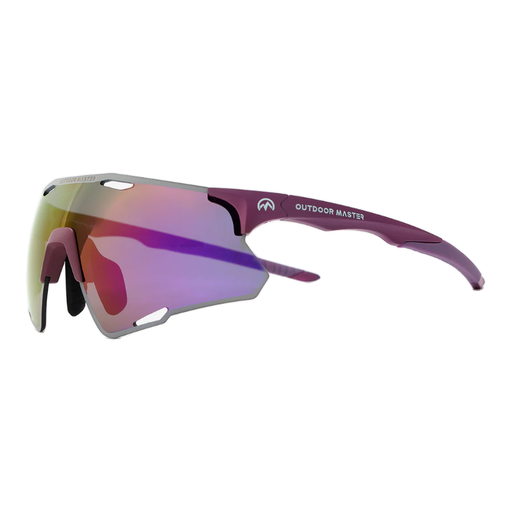
Why it suits this profile: A practical choice for recreational cyclists looking for a lightweight frame, polarisation and basic protection without complicated lens changes.
The product information specifies UV400, a ventilated lens design and adjustable nose pads. This makes the key points easy to check in advance.
25.5 grams, TR90 frame, polarised polycarbonate lens and included storage case with cleaning cloth.
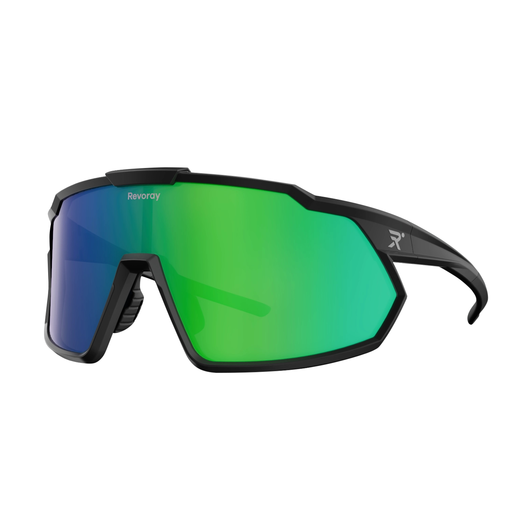
Why it suits this profile: Suitable for anyone who values adjustability, low weight and additional lens coatings on longer rides.
According to the product information, UV400, ANSI Z87.1 performance and light transmission of approximately 15.2% are specified. Always check whether this suits your riding conditions.
Approximately 33 grams, adjustable silicone nose pads, water- and oil-repellent coating and scratch-resistant layer according to the product description.

Why it suits this profile: For cyclists who ride between sunshine and shade and want one pair of glasses for cycling, running and other outdoor sports.
The combination of photochromic and polarised technology is stated explicitly. According to the product information, the lens is not intended for eclipses or other direct observation of the sun.
TR90 frame, polycarbonate lens, UV400 specification, adjustable nose pads and a stated weight of 26 to 29 grams depending on the lens version.
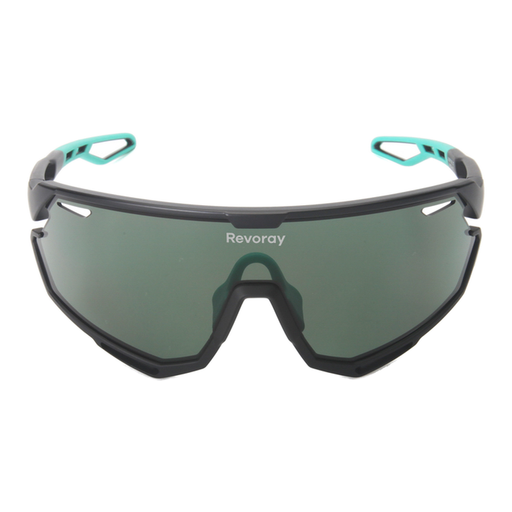
Why it suits this profile: The wide integrated lens and non-slip details are well suited to mountain biking, gravel riding and cycling on uneven terrain.
The product information specifies an integrated PC lens, rubber nose pad and non-slip arms. The safety information limits use to recreational sport and excludes high-impact risks.
Approximately 30 grams, TR90 frame, one wide PC lens and UV400 protection according to the product description.
We’ve put together a complete, up-to-date list of products that fully meet these strict selection criteria and the applicable European safety regulations.
Rinse off dust and sand with clean water before wiping the lens. This reduces the risk of fine scratches. Use a soft microfibre cloth and avoid alcohol, harsh cleaning products and paper tissues when the product information advises against them.
Store the glasses in the included case, rather than loose in a cycling bag with keys or tools. Replace the glasses if the lens is visibly scratched, cracked or distorted. A fixed lifespan cannot be guaranteed in advance: frequency of use, maintenance, UV exposure and storage all make a difference.
Usually not. A polarised lens may also be tinted and therefore allow less light through. For evening rides, choose a transparent or lightly tinted lens suitable for low-light conditions. Always check the lens category or light transmission.
No. According to the product description, ventilation can help to reduce condensation, but it will not prevent it in every situation. Cold air, rain, high exertion and a close-fitting helmet all affect the result. A good fit and sufficient airflow remain important.
Cycling glasses with photochromic lenses are practical if you often move between open sunshine, cloudy conditions and shade. Check the stated range, such as category 0 to category 3, and bear in mind the warning that the lens may darken less behind car windows.
