
Vandaag of morgen in huis

Kwaliteit gegarandeerd

Welkomstaanbiedingen ontgrendelen: GRATIS bezorging | Tot 80% korting | Gratis 30 dagen JoyPlus-proefperiode
Download de app
Cycling glasses protect your eyes from bright light, wind, dust and flying debris while you ride. But choosing a pair based only on dark lenses or a sporty look isn’t wise. A pair may look great but still slip on bumpy roads, feel too heavy or provide too little information about lens protection.
For road cyclists, mountain bikers and recreational cyclists, there are three key pitfalls to watch out for:
Cycling glasses with UV400 protection are designed to block UV rays up to 400 nanometres. Check that this claim is clearly stated in the product specifications. The product description for the Revoray X3-black model states that it offers full UV400 protection. This is a specification provided by the seller, not a guarantee that the glasses will provide clear vision in all conditions.
The lens material is also important. Polycarbonate (PC) is used for the X3’s integrated lens. According to the product description, this material is highly impact-resistant and provides a wide, unobstructed field of vision. Impact-resistant sports glasses are especially practical for mountain biking, gravel riding and routes where branches, stones or dirt can fly up.
Heavy glasses can put pressure on your nose or temples during long rides. A lightweight pair of cycling glasses weighing around 30 to 35 grams is therefore a practical choice for longer trips. However, weight alone doesn’t tell the whole story: how the weight is distributed and how flexible the frame is also affect comfort.
TR90 cycling glasses have a lightweight, flexible thermoplastic frame. The Revoray X3 is listed as having a TR90 frame and weighing around 30 grams. According to the product specifications, the Y1 weighs around 33 grams. Also check that the size suits your face. Both models are described as suitable for most face shapes, with the X3 offering a medium-to-large fit.
Rubber nose pads and non-slip arms help keep glasses in place. When choosing a pair, look for:
Dark lenses can be comfortable in bright weather, but they aren’t always practical in wooded areas or overcast conditions. Polarised cycling glasses can reduce glare from wet tarmac, water and metal surfaces. According to the Revoray Y1 product specifications, its TAC lenses are polarised and have a visible light transmission of around 15.2 per cent. This suggests they’re designed for relatively bright conditions, rather than being a universal choice for all weather.
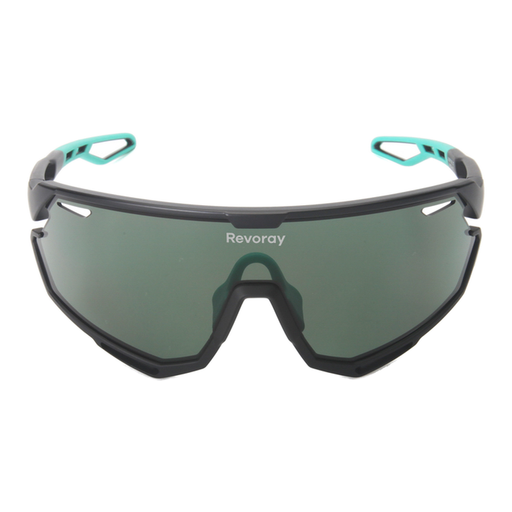
Why it suits this type of rider: This model combines an integrated PC lens, a UV400 specification and a weight of around 30 grams. That makes it a straightforward choice for recreational cyclists and beginner road cyclists.
The specifications state both UV400 protection and PC lens material. The rubber nose pad and non-slip arms are designed to help prevent the glasses from slipping while you ride.
TR90 frame, around 30 g, integrated lens and UV400 protection according to the product specifications.
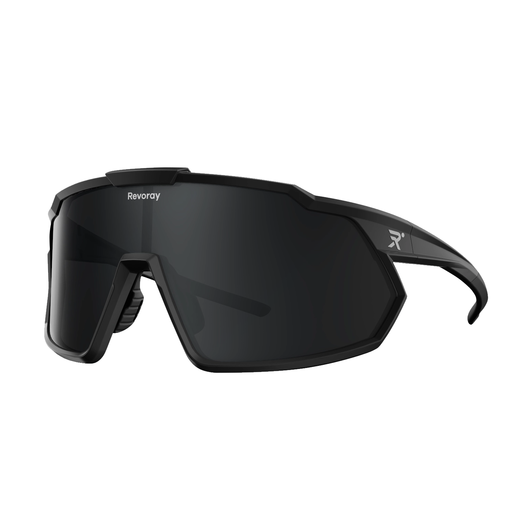
Why it suits this type of rider: The Y1 is designed for cyclists who value polarised lenses, an adjustable fit and extra lens coatings for riding in bright conditions.
The product specifications state a light transmission of around 15.2 per cent. This makes it clearer that the model is intended mainly for sunny rides, rather than dark woodland roads.
TAC polarised lenses, around 33 g, TR90 frame, adjustable silicone nose pads and UV400 protection according to the product specifications.
Why it suits this type of rider: According to the product description, the wide integrated PC lens and streamlined shape are suited to intense rides, high speeds and rougher terrain.
It’s not all about looks: the specifications mention PC lens material, non-slip details and a low weight. Do check beforehand that the medium-to-large fit suits you.
Around 30 g, one-piece PC lens, UV400 specification, rubber nose pad and streamlined design.
We’ve put together a complete, up-to-date list of products that meet these strict selection criteria and the applicable European safety regulations.
Rinse your cycling glasses with clean water after a dusty or muddy ride. Don’t rub sand off the lenses while they’re dry, as this can cause scratches. Then use a soft cloth. Avoid alcohol and harsh cleaning products if the product instructions advise against them.
Store your glasses in a protective case and don’t leave them in a hot car for long periods. Check regularly that the nose pad and arms are still firmly attached. According to the product specifications, the Revoray models come with a limited one-year warranty covering certain quality issues not caused by the user.
Cycling glasses with a UV400 specification can be suitable for everyday cycling in bright daylight. Also check the lens colour, fit and visible light transmission. UV400 tells you about UV protection, but doesn’t automatically mean you’ll see well at dusk or in the shade.
Polarised lenses are designed to reduce distracting reflections from surfaces such as wet tarmac, water and metal. This can be useful on sunny rides. Ordinary sports sunglasses may be a simpler option and can sometimes suit changing light conditions better. If you’re choosing polarised cycling glasses, pay particular attention to their light transmission.
Their lifespan depends on use, drops, scratches and care. There’s no fixed lifespan that applies to every model. Replace your glasses if the lenses are deeply scratched, obstruct your vision or the frame no longer stays securely in place. Following the storage and cleaning instructions can help prevent unnecessary wear.
