
Vandaag of morgen in huis

Kwaliteit gegarandeerd

Welkomstaanbiedingen ontgrendelen: GRATIS bezorging | Tot 80% korting | Gratis 30 dagen JoyPlus-proefperiode
Download de app
Cycling glasses protect your eyes while riding from wind, dust, insects and bright light. However, not every model is suitable for every ride. Road cycling glasses for sunny roads have different requirements from mountain biking glasses for woodland trails. Marketing terms such as “HD”, “sporty” and “impact-resistant” only tell you something when you check the underlying specifications.
In this buying guide, you’ll learn what to look for and which cycling glasses suit your needs. The product specifications below are based on the available product descriptions. Claims about performance are therefore not presented as independently verified facts.
A dark lens is not automatically good protection against UV radiation. Check whether UV400 protection is explicitly stated. This designation refers to protection against UV radiation up to 400 nanometres. Also look for information about visible light transmission, often abbreviated to VLT. A low VLT lets less light through and can be comfortable in bright sunshine, but less suitable in overcast or twilight conditions.
Polarised cycling glasses are designed to reduce distracting reflections from wet tarmac, water and metal surfaces, for example. However, polarisation does not automatically prevent a lens from fogging up. For that, look for a ventilated lens design or a dedicated anti-fog coating.
Cycling glasses may be light and flexible on paper, yet still press against your nose or behind your ears. So check the width, weight, nose pads and size indication. Glasses that shift during a bumpy ride provide less practical comfort and may obstruct your vision.
For long rides in the Netherlands, cycling glasses with UV400 protection are a sensible starting point. Also check whether the product information clearly states which type of lens is used, such as polycarbonate (PC), TAC or a photochromic lens.
Photochromic cycling glasses can be useful when you move between open roads, shaded cycle paths and overcast conditions. Bear in mind that, according to the product information, the tint may change less noticeably inside a car because a windscreen can block UV light.
A lightweight pair of cycling glasses weighs approximately 25.5 to 33 grams among the selected models. The difference may seem small, but fit and pressure distribution are at least as important. TR90 frames are described in the product information as flexible, lightweight and shape-retaining.
Look out for these details:
According to the product description, an aerodynamic design may reduce wind resistance. Treat this as a design feature, not a guarantee of increased speed.
Many cycling glasses use PC or TAC lenses with a specified level of impact resistance. This makes them suitable for recreational cycling and outdoor sports, but not automatically for high-impact work, welding or machining. Replace a lens if it becomes deeply scratched or damaged.
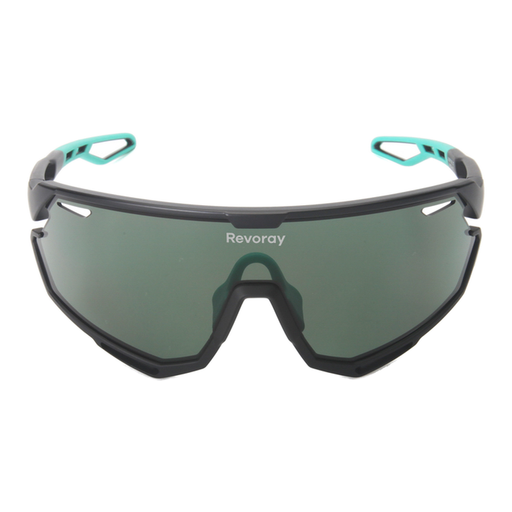
Why it suits this profile: These sports sunglasses for cycling combine a PC lens, stated UV400 protection and a TR90 frame, weighing approximately 30 grams.
The product description mentions UV400 protection, non-slip rubber parts and an integrated lens. However, check the fit and lens condition when you receive them.
Approximately 30 g, TR90 frame, PC lens, wide field of view and non-slip nose pad.
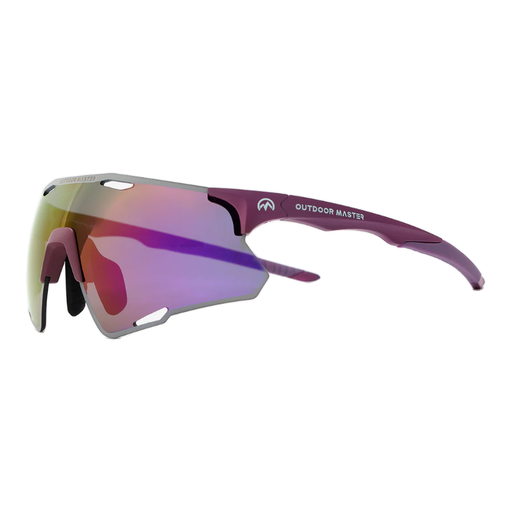
Why it suits this profile: The product description lists polarised PC lenses, UV400 protection, ventilation and a weight of 25.5 grams.
Ventilation is explicitly mentioned, so you don’t have to rely solely on a dark lens to reduce glare.
25.5 g, adjustable nose pads, ventilated lens and included inner frame for prescription lenses.
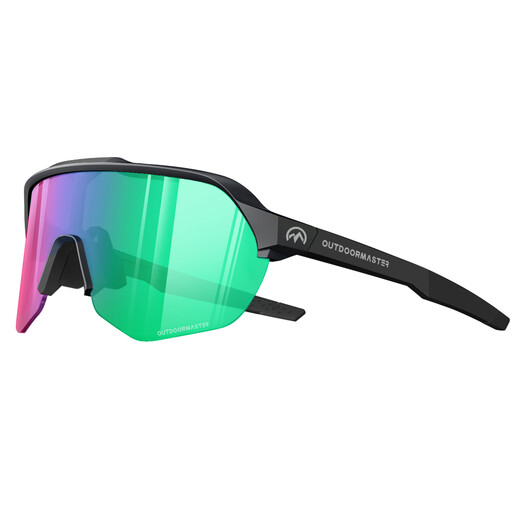
Why it suits this profile: This model comes with a clear replacement lens, making it suitable for cyclists who ride in changing light conditions.
You’re not dependent on one dark lens: the product description mentions a replaceable clear lens for overcast or low-light conditions.
Polarised lens, TR90 frame, stated UV400 protection and included replacement lens with storage case.

Why it suits this profile: According to the product description, this model combines photochromic and polarised PC lenses in a single pair of cycling glasses.
The combination of technologies is intended for changing light conditions. Tint adjustment may vary depending on the situation and does not replace dedicated safety glasses.
26–29 g, TR90 frame, adjustable nose pads, stated UV400 protection and wider peripheral field of view according to the product details.
We’ve put together a complete, up-to-date list of products that fully meet these strict selection criteria and the applicable European safety regulations.
A polarised lens can reduce reflections from wet roads and water. That’s useful on sunny rides. In low light, a dark lens may be less suitable. So check the VLT value and, for changing conditions, consider photochromic or interchangeable-lens cycling glasses.
First, rinse away sand and dust with clean water. Then gently wipe the glasses with a soft microfibre cloth. Do not use alcohol or harsh cleaning products if the product description advises against them. Store the glasses in a case and don’t place heavy objects on top of them.
Replace the glasses if they have deep scratches, cracks, a loose frame or damaged nose pads and non-slip components. A scratch can impair your vision, particularly when riding towards the light. Also check after a fall that the lens and frame still fit together properly. Cycling glasses are intended for recreational sport, not high-impact work such as grinding or welding.
