
Vandaag of morgen in huis

Kwaliteit gegarandeerd

Welkomstaanbiedingen ontgrendelen: GRATIS bezorging | Tot 80% korting | Gratis 30 dagen JoyPlus-proefperiode
Download de app
Cycling glasses protect your eyes while riding from sunlight, wind, dust and road spray. However, not every pair of sports sunglasses is suitable for long road-cycling rides or demanding mountain-bike trips. A dark lens may be comfortable in bright sunlight, for example, but become impractical as soon as you ride into a forest. Likewise, a frame that feels comfortable in the shop may start slipping during a bumpy ride.
The main pitfalls when buying cycling glasses are:
Start by checking the stated UV protection. UV400 refers to protection against UV radiation with wavelengths of up to 400 nanometres. The product information should clearly state what protection is provided. Some models are described as offering “100% UV400”; always check the official product specification and do not use the glasses to look directly at the sun or observe an eclipse.
Visible light transmission, often abbreviated to VLT, helps you assess the practical suitability of the lens tint:
Please note: photochromic lenses may become less dark inside a car because the windscreen blocks some UV radiation.
Cycling glasses with polarised lenses can reduce distracting reflections from wet roads, water and metal surfaces. This is particularly useful for road cyclists and leisure riders who spend a lot of time on tarmac, dykes or alongside canals. Polarised cycling sunglasses do not automatically make your surroundings sharper; their main benefit is reducing certain types of glare.
TAC lenses, such as those used in several models below, are a common lens type for sports sunglasses. Also check whether the manufacturer provides information about coatings, scratch resistance and care. A water- and oil-repellent coating can make cleaning easier, but it does not prevent a lens from being damaged.
Lightweight cycling glasses feel more comfortable on longer rides. The difference between a heavy everyday frame and a model weighing approximately 33 grams can be noticeable when you are cycling for several hours. Cycling glasses with a TR90 frame are made from a thermoplastic material that is described in the product information as lightweight and flexible.
More important than the material alone is how the glasses fit your face:
Mountain-bike glasses generally have to cope with more movement and vibration than glasses used for relaxed rides around town. For intensive use, therefore, pay particular attention to stability and lens protection.

Why it suits this profile: A practical choice for leisure cyclists looking for one pair of sports sunglasses for cycling, walking and other outdoor activities. According to the product information, they combine a TR90 frame, polarised TAC lenses and UV400 protection.
The stated lens and frame specifications are more concrete than a general claim about sports use. The included test card can help you check the polarisation yourself.
TR90 memory frame, polarised TAC lenses, stated UV400 protection and an aerodynamic design according to the product description.
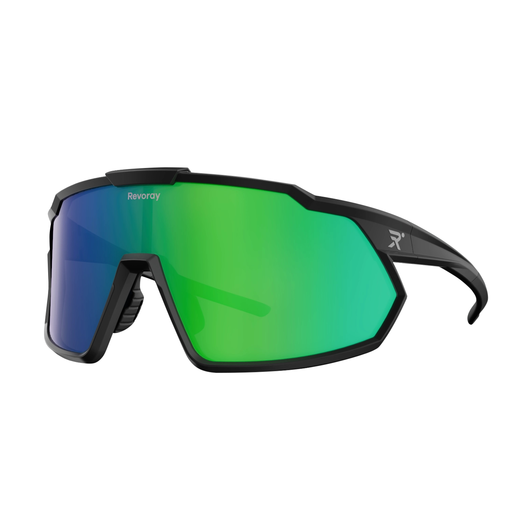
Why it suits this profile: Designed for road cyclists and riders who value low weight, adjustability and lens coatings. According to the product information, this model weighs approximately 33 grams and has a VLT of around 15.2%.
The low VLT makes it clear that these glasses are primarily intended for bright light. This helps you avoid buying a dark lens expecting it to be suitable for every weather condition.
Approximately 33 grams, TR90 frame, adjustable silicone nose pads, polarised TAC lenses and water- and oil-repellent coating according to the product specification.
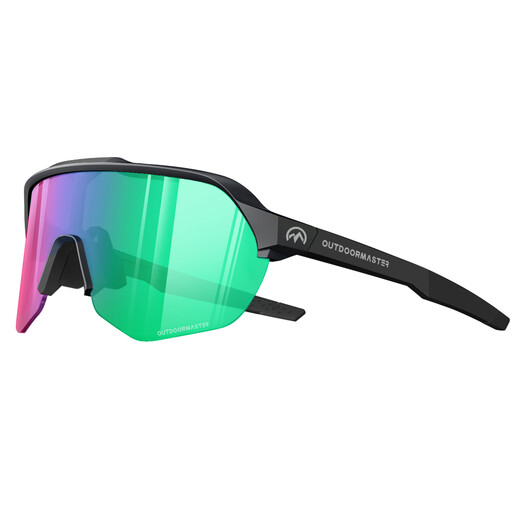
Why it suits this profile: Suitable for anyone wanting one pair of glasses to cope with different light conditions. This model comes with a clear replacement lens for overcast weather or low-light conditions.
The interchangeable lenses mean you are not limited to a single dark lens. When changing lenses, however, carefully check the edges to prevent scratches.
TR90 frame, polarised lens, stated UV400 protection, VLT 48% and a clear replacement lens according to the product information.

Why it suits this profile: According to the product description, these fit-over sunglasses are designed to be worn over ordinary prescription glasses. This makes them an interesting option for cyclists who want to continue wearing their existing prescription glasses.
You do not need to have a separate pair of prescription glasses made straight away. However, check the dimensions beforehand and make sure the fit-over glasses do not touch your eyelashes or frame.
Designed to be worn over prescription glasses, with polarised lenses and a lightweight plastic frame according to the product details.
We have put together a complete, up-to-date list of products that fully meet these strict selection criteria and the applicable European safety requirements.
Cycling glasses will generally last longer if you rinse the lenses with clean water after every ride and dry them with a soft microfibre cloth. Do not use alcohol, harsh all-purpose cleaner or an abrasive sponge. These can damage coatings and plastic surfaces.
Store the glasses in a hard case rather than loose in a cycling bag with keys or tools. Replace them if the lenses develop deep scratches, cracks or permanent distortion. Also check the nose pads and non-slip sections regularly. A well-fitting pair of damaged glasses does not provide the same quality of vision as an undamaged pair.
An ANSI Z87.1 marking indicates that, according to the information provided, the product has been tested to a particular US performance standard. This is not automatically the same as a European standard or a general approval for high-risk work. Do not use cycling glasses for grinding, welding or other activities that require specific eye protection.
That depends on the lens colour and VLT value. A very dark polarised lens may let too little light through in heavily overcast weather or in a forest. For changing conditions, cycling glasses with interchangeable lenses or photochromic cycling glasses may be more practical.
Yes, fit-over models are available for this purpose. According to the product information, the Xiaomi Polarized Fitover Sunglasses are designed to be worn over prescription glasses. Measure the width and height of your current frame beforehand and check that both pairs of glasses fit comfortably under your helmet.
First rinse away dust with clean water. Then gently wipe the lenses with a clean microfibre cloth. Never wipe sand or mud off while the lenses are dry, as this can cause scratches. Store the glasses in a protective case and replace damaged lenses promptly.
