
Vandaag of morgen in huis

Kwaliteit gegarandeerd
Download de app
Categorieën

Selecting new cycling or sports sunglasses can be a daunting task. The market is flooded with options, and technical specifications aren't always clear. How can you be sure you're choosing a model that offers protection, comfort, and clear vision without overpaying? It's easy to make the wrong choice, ending up with glasses that slip, fog up, or provide inadequate protection from sun and wind.
This article will guide you in making an informed decision. We'll cover the key features to look for, such as lens technology, UV protection, and materials. This will help you find cycling sunglasses that perfectly match your athletic pursuits.
To make the right choice, it's essential to understand the core features of sports sunglasses. We will focus on the objective parameters that make a real difference during cycling, running, or other outdoor sports.
The lenses are the most critical component of any cycling sunglasses. The two most common advanced technologies are polarized and photochromic.
Exposure to UV radiation can be harmful to your eyes. Therefore, a quality pair of sports sunglasses must offer complete protection. The UV400 certification indicates that the lenses block nearly 100% of harmful UVA and UVB rays. This is a crucial standard for eye protection within the EU. Always check if the sunglasses carry this designation.
Sunglasses worn for hours must be comfortable and light. Many modern sports sunglasses use TR90 for the frame. This is a thermoplastic material known for its flexibility, durability, and low weight. A lightweight pair of sports sunglasses (often under 30 grams) is barely noticeable and prevents pressure points on the nose and behind the ears.
A proper fit is crucial. The glasses should sit snugly against the face to prevent wind, dust, or insects from reaching your eyes. Many models are designed as unisex, making them suitable as both men's cycling sunglasses and women's cycling sunglasses. Look for features like adjustable nose pads and flexible temples for a personalized fit.
Based on the criteria above, we have selected several models from OutdoorMaster that stand out for their specific features. These recommendations are based on product parameters.
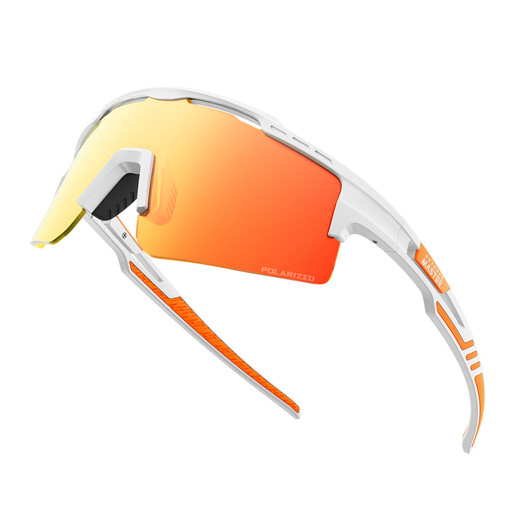
This model focuses on maximum performance in bright conditions. The polarized TAC lenses with UV400 protection are designed to effectively reduce glare. The frame is made from durable and lightweight TR90, featuring an aerodynamic design that minimizes wind resistance.
For cyclists, runners, and drivers who are often active in sunny conditions and want maximum glare reduction for a more comfortable view.
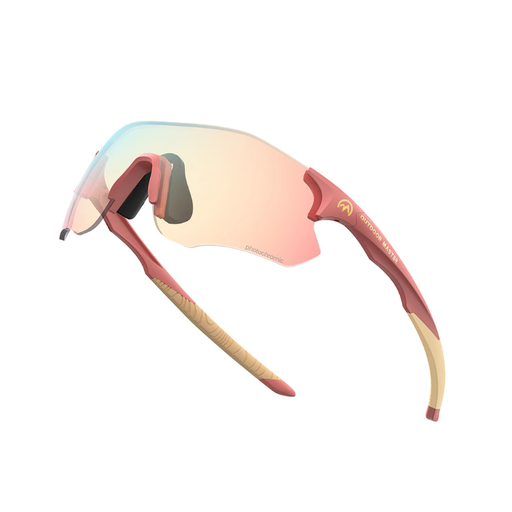
The HawkSharp is a versatile pair of photochromic cycling sunglasses. The lenses automatically adapt to light intensity, ranging from Category 0 (clear) to Category 3 (dark). This makes the glasses suitable for a wide range of conditions, from an overcast day to bright sun. The HD lenses are impact-resistant and offer UV400 protection.
For athletes who train in changing environments, such as mountain bikers riding in and out of forests, or cyclists who ride early in the morning or late in the evening.
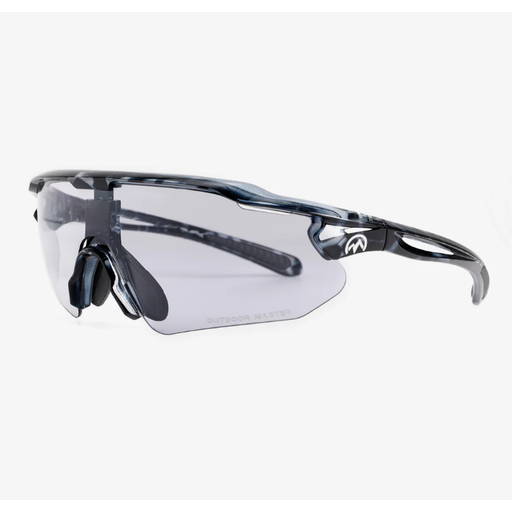
This model combines the best of both worlds: the lenses are both photochromic and polarized. This provides a solution for virtually any situation. The glasses are extremely light, weighing between 26 and 29 grams. The design offers wider peripheral vision, and the fit is customizable thanks to adjustable nose pads.
For the demanding athlete looking for a complete all-in-one solution. Ideal for long rides and a variety of sports where both glare and changing light are factors.
The models above are tailored to specific needs based on their technical features. If you are looking for other styles, colors, or brands, you can explore our broader collection. There you will find a wider variety of sports sunglasses and sunglasses for different activities and preferences.
Explore all our Sunglasses for more options.
1. What is the difference between cycling sunglasses and regular sunglasses? Cycling sunglasses, or sports sunglasses, are specifically designed for athletic activities. The fit is typically more snug and aerodynamic to keep out wind and debris. The materials are lighter and more flexible (like TR90), and the lenses are often impact-resistant. Regular sunglasses are primarily focused on style and general sun protection.
2. Are polarized cycling sunglasses always better? Not necessarily. Polarization is highly effective against glare from flat surfaces. However, a potential drawback is that it can sometimes make it harder to read LCD screens, such as those on a bike computer or smartphone. It can also make it more difficult to spot slick patches like ice or oil on the road. For most on-road situations, however, it is a feature that enhances comfort.
3. How do I know if sports sunglasses offer UV400 protection? Products sold within the EU must meet specific safety standards. Look for the CE marking on the frame, which indicates that the product complies with European directives. The UV400 designation, often found on a lens sticker or in the product description, confirms protection against UVA and UVB radiation.