
Vandaag of morgen in huis

Kwaliteit gegarandeerd

Welkomstaanbiedingen ontgrendelen: GRATIS bezorging | Tot 80% korting | Gratis 30 dagen JoyPlus-proefperiode
Download de app
A good pair of cycling glasses is more than an accessory; it's an essential piece of your kit. Whether you're cycling through the countryside, tackling a forest trail, or chasing a personal best, the right glasses protect your eyes from sun, wind, and flying debris. But the market is flooded with models that make big promises. How do you separate the wheat from the chaff and avoid a purchase you'll later regret?
As a Joybuy Product Recommendation Officer, I see the common issues consumers face every day. Many glasses look good at first glance but show flaws after just a few rides. Let's go over the most common pitfalls.
sports glasses that slips down at the first bump or digs into your nose after half an hour of sweating. A poor fit is not only annoying but also unsafe.To avoid a bad purchase, it's best to focus on a few concrete, verifiable specifications. These are the features that make the difference between glasses that end up in a drawer and ones you'll gladly wear on every ride.
The lenses are the heart of your cycling glasses. The absolute baseline is a UV400 certification. This means the lenses block nearly 100% of harmful UVA and UVB rays. Always check that this specification is explicitly mentioned.
Additionally, there are two popular technologies worth considering:
No one wants to feel a heavy pair of glasses on their nose. A lightweight pair of sunglasses significantly increases comfort, especially on long tours. Many modern sports glasses use TR90 as the frame material. This thermoplastic material is not only extremely light but also flexible and very strong. It can bend without breaking and retains its shape, even with intensive use.
A good fit is crucial. Pay attention to the following details to prevent your glasses from slipping:
Not every cyclist needs the same thing. Below are a few popular choices, matched to a specific user profile.
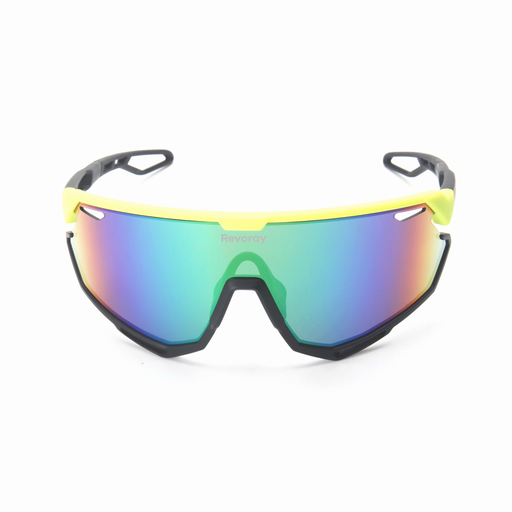
Why it's a good fit: This is an excellent choice for the recreational road cyclist or mountain biker who wants reliable, no-nonsense glasses. It covers all the basic needs without unnecessary frills.
The ergonomic design and rubber anti-slip arms and nose pad prevent the glasses from slipping. The UV400 protection is clearly specified, so there's no false sense of security.
A very light pair of glasses (approx. 30 grams) thanks to the TR90 frame, which ensures comfort on long rides. The large PC lens offers a wide, uninterrupted field of view.
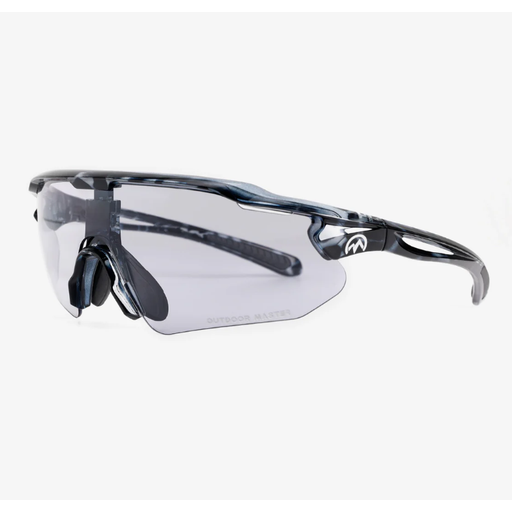
Why it's a good fit: For the cyclist who trains in changing conditions and wants to maintain optimal vision. Ideal for rides that start early in the morning or pass through wooded areas.
This isn't an unnecessary luxury, but a functional combination. The photochromic and polarised technologies are the core function here. The adjustable nose pads ensure a personalised fit.
The combination of `photochromic cycling glasses` and `polarised sunglasses` in one. The lens adapts to the light while simultaneously filtering glare for superior vision.
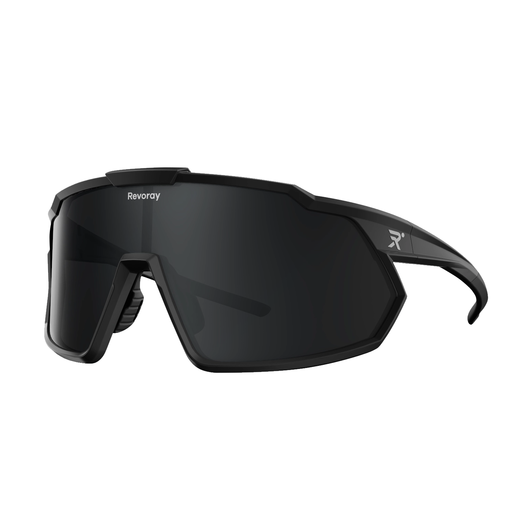
Why it's a good fit: Specifically designed for rougher terrain. These glasses offer extra protection against impact from branches or stones and have a fit that's built to stay in place on bumpy trails.
The fit here is not an afterthought, but a core feature. Adjustable silicone nose pads and arms guarantee a secure grip. The impact resistance is not an empty marketing claim but is backed by an ANSI Z87.1 certification.
Certified impact resistance for extra safety. The lenses also have a water- and oil-repellent coating, which means mud and rain slide right off.
We have compiled a complete, up-to-date list of products that meet these strict selection criteria and applicable safety standards.
Polarised glasses have a fixed filter that reduces glare from reflective surfaces (like wet asphalt). This provides a calmer view in consistently bright light. Photochromic glasses have lenses that change tint based on the amount of UV light. They are ideal if you cycle in conditions that change quickly, such as a ride through a forest with open patches.
Look at the frame's specifications. Glasses with a TR90 frame are flexible and adapt better to different face shapes. Pay special attention to the presence of adjustable nose pads and anti-slip material on the arms. These features significantly increase the chance of a good, stable fit.
Not necessarily. A higher price is often linked to advanced features like photochromic lenses, ultra-light materials, or special coatings. Ask yourself if you really need those features. For many cyclists, a solid pair of UV400 sports glasses with a well-fitting TR90 frame provides all the necessary protection and comfort, without you paying for extras you won't use.
