
Vandaag of morgen in huis

Kwaliteit gegarandeerd

Welkomstaanbiedingen ontgrendelen: GRATIS bezorging | Tot 80% korting | Gratis 30 dagen JoyPlus-proefperiode
Download de app
Good cycling glasses are more than just sunglasses. They are an essential piece of your kit that enhances your vision, protects your eyes, and keeps you comfortable, mile after mile. Yet, the search is often frustrating. The market is flooded with marketing jargon and models that look great but fall short in practice.
As a Product Recommendation Officer at Joybuy, I see the challenges consumers face every day. To help you avoid a bad purchase, I've outlined the three most common pitfalls.
Fortunately, these problems are easy to avoid if you know what to look for.
Don't be distracted by flashy designs. The performance of sports glasses depends on a few concrete, verifiable specifications.
The lenses are the heart of your glasses. The right technology depends on where and when you ride.
mountain bike glasses on forest trails with changing light conditions, or for long rides that start at dawn and end in the full midday sun.Regardless of your choice, ensure the glasses offer UV400 protection. This isn't a luxury but a basic requirement that blocks 100% of harmful UVA and UVB rays.
A pair of men's sports sunglasses (or women's) should be unnoticeable after a few minutes. Material and weight play a crucial role here.
lightweight sports glasses typically weighs between 25 and 35 grams. This might seem like a small difference, but after a few hours on the bike or during a run with running glasses, you'll notice every extra gram.Glasses that stay in place and don't fog up are essential for your focus and safety. Look for the following two features:
Based on these functional criteria, we have selected a few models that suit different types of athletes.
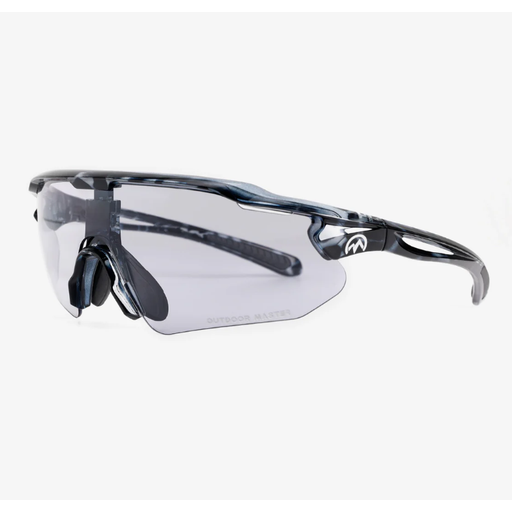
Why This Fits Their Persona: Ideal for the athlete who cycles, runs, and hikes in changeable weather conditions. These glasses combine the best of both worlds for maximum flexibility.
The combination of photochromic and polarised lenses solves the 'wrong lens' problem. The adjustable nose pads ensure a custom fit, avoiding the 'one-size-fits-all' pitfall.
Combines automatic light adjustment (photochromic) with glare reduction (polarised). Lightweight TR90 frame (26-29g).

Why This Fits Their Persona: Designed for cyclists and runners who prioritise speed, minimal weight, and an unobstructed field of view.
The aerodynamic design and anti-slip elements prevent the glasses from slipping at high speeds. The large, single-piece lens provides excellent airflow, which minimises the risk of fogging.
Ultralight (approx. 30g) with an aerodynamic, streamlined design. The single-piece PC lens offers a wide, uninterrupted field of view and is impact-resistant.
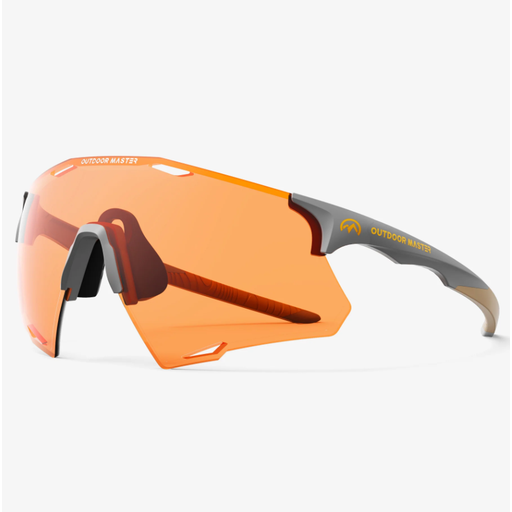
Why This Fits Their Persona: For the beginner cyclist or runner looking for reliable, functional glasses without paying a premium price. Offers all the essential protection and comfort.
This model proves you don't have to overpay for core features. It offers effective polarised lenses, an adjustable fit, and a ventilated design to combat fogging.
Very lightweight (25.5g) with a TR90 frame. The polarised lenses effectively reduce glare, and the ventilated design helps prevent condensation.
We have compiled a complete, up-to-date list of products that fully meet these strict selection criteria and safety standards.
A good indicator is the presence of adjustable components. Opt for a model with adjustable nose pads and flexible temple tips made from a material like TR90. These allow you to adapt the glasses to your own face shape for a secure yet comfortable fit. Also, check the frame width in the specifications if you have a reference from an old pair of glasses.
Simply put: choose polarised for consistent, bright conditions with a lot of glare, such as cycling along water or on wet tarmac. Choose photochromic if you're dealing with highly variable light conditions, like a mountain bike trail that constantly weaves in and out of the forest.
Look for models with a ventilated design. These are often small cut-outs at the top or side of the lenses that allow for air circulation. A good fit that isn't too tight against your face also helps maintain an airflow that counteracts condensation.
