
Vandaag of morgen in huis

Kwaliteit gegarandeerd

Welkomstaanbiedingen ontgrendelen: GRATIS bezorging | Tot 80% korting | Gratis 30 dagen JoyPlus-proefperiode
Download de app
If you cycle regularly, you know how important good vision is. A low sun reflecting off a wet road, splashing mud, or an insect flying into your eye; these are minor inconveniences that can seriously disrupt your ride. A good pair of cycling glasses isn't a luxury, but an essential piece of your kit.
However, the selection is enormous. How do you choose a model that not only protects but is also comfortable and supports your performance? As a Joybuy Product Recommendation Officer, I'm here to help you see through the marketing jargon. In this guide, we'll focus on the specifications that truly matter, so you can make an informed decision.
Before we dive into the products, here are a few key points to consider. A good pair of glasses is more than just a piece of coloured plastic.
The lenses determine what you see. Your choice will depend on where and when you ride.
Sports glasses must protect your eyes. Therefore, pay attention to the following specifications:
Glasses that slip or pinch are a distraction. A good fit is crucial, especially for men's or women's sport sunglasses used for intense activity. Look for adjustable nose pads and anti-slip material on the temple tips. This ensures the glasses stay securely in place, even when you're sweating or riding over bumpy roads.
Based on the criteria above, we have selected models that excel in functionality and specifications.
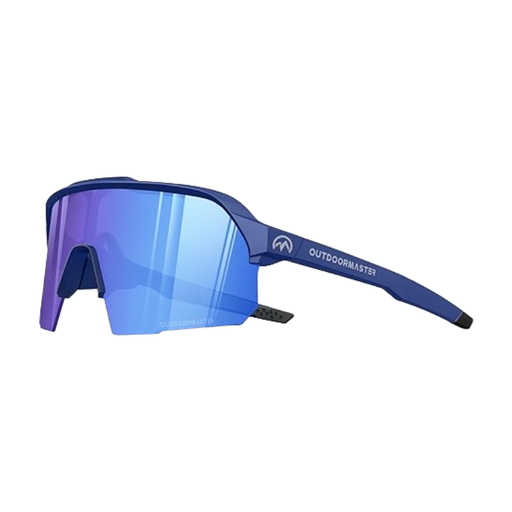
Why this model stands out These glasses combine a lightweight TR90 frame with high-quality polarised HD lenses. What makes them extra versatile is the included clear interchangeable lens. This prepares you for both sunny days and rides in low-light conditions.
Key Features
Who is this model for? For the all-around cyclist looking for reliable and versatile glasses for changing conditions, all at an accessible price point.
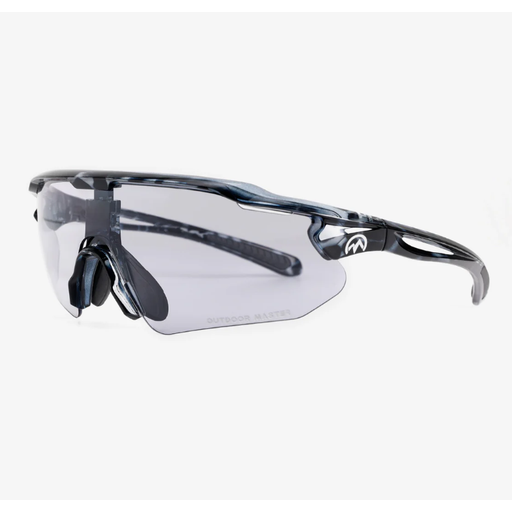
Why this model stands out The convenience of photochromic cycling glasses is hard to beat. The HAWK LT automatically adjusts the lens tint to the light intensity. In addition, the lenses are polarised, offering a dual advantage: no need to swap lenses and reduced glare.
Key Features
Who is this model for? For the cyclist who seeks maximum convenience and frequently rides in variable light conditions, such as mountain bikers on forest trails or road cyclists on long tours that start in the morning and end in the afternoon.
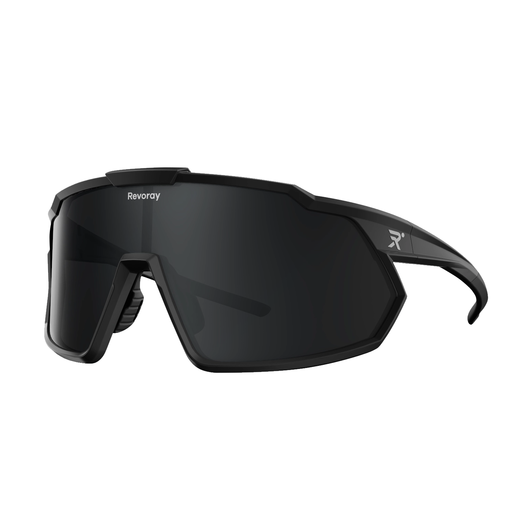
Why this model stands out These glasses from Revoray are designed with performance in mind. Not only are they ultra-light (around 33 grams), but according to the manufacturer, they also meet the ANSI Z87.1 standard for impact resistance. The lenses feature water- and oil-repellent coatings, which makes cleaning easier.
Key Features
Who is this model for? For the performance-oriented road cyclist or mountain biker who prioritises weight, safety, and a stable fit during high-intensity efforts.
If your ideal model isn't listed here, or if you have specific needs like prescription lenses, we understand every cyclist is different. For a broader overview of functional eyewear, feel free to browse our optical sunglasses category.
1. What is the advantage of polarised cycling glasses? A polarised lens has a special filter that blocks intense, horizontal glare. Think of the sun's reflection on a wet road, a lake, or a car hood. This results in a calmer view, enhanced contrast, and reduced eye fatigue, allowing you to see obstacles better and faster.
2. Why is UV400 protection important for sports glasses? UV400 protection blocks 100% of harmful UVA and UVB radiation. Prolonged exposure to UV radiation can damage the eyes. Since you often spend hours outdoors while cycling, full UV protection is not a luxury but a necessity to keep your eyes healthy.
3. Can I wear cycling glasses over my regular glasses? This is usually not comfortable or practical. Most cycling glasses are designed to fit snugly against the face. While special "over-the-glasses" (OTG) models exist, a more popular alternative is cycling glasses with a prescription insert. Some models, like the OutdoorMaster HAWK LT, come with a prescription frame insert that you can have fitted with lenses by an optician.
