
Vandaag of morgen in huis

Kwaliteit gegarandeerd

Welkomstaanbiedingen ontgrendelen: GRATIS bezorging | Tot 80% korting | Gratis 30 dagen JoyPlus-proefperiode
Download de app
Buying a cycle helmet seems straightforward, until you have to choose between a children's cycle helmet, a cycle helmet with lights, a mountain bike helmet or a model for skating. Marketing often focuses on striking colours, extra ventilation or MIPS, while the most important question is sometimes overlooked: does the helmet fit your head properly and suit the way you use it?
Three common pitfalls come up time and again:
Use a flexible tape measure around your head, approximately one to two centimetres above your eyebrows. Note the circumference in centimetres and compare it with the product's size range.
Age is only a guideline. For example, a children's cycle helmet for ages 5 to 13 may be suitable for a head circumference of 52,05 to 55,88 cm, but children of the same age may need different sizes. An adjustable cycle helmet with a dial and adjustable chin strap allows for a more precise fit.
The helmet should sit straight on your head. The front should not sit too far above your forehead, and the helmet should not move from side to side when the wearer shakes their head.
Many models use a hard outer shell made from PC, ABS or PVC, combined with EPS foam on the inside. Some helmets feature an in-mould construction, where the outer shell and foam are joined together during production. These are verifiable product specifications, but they do not guarantee that injury will be prevented in every accident.
For cycling, skating and similar non-motorised activities, EN1078 is often stated. According to the product information for the ACTION PW-905 and PW-903 models, these helmets have been tested to EN1078 and are CE-certified. Always check the marking, product information and suitability for your activity before ordering.
A full-face cycle helmet offers more coverage around the face than a standard model. This may be relevant for downhill riding, BMX or intensive mountain biking. Do not automatically use this type of helmet as a replacement for a model specifically designed for another sport.
Ventilation is practical during longer rides. According to the product description, the DKONI HS-086 has 15 ventilation openings. The OutdoorMaster RhinoUrban has 17 openings and combines these with a detachable sun visor and magnetic goggles.
A cycle helmet with lights is an interesting option for commuters who often ride at dusk. The DKONI HS-086 has a removable USB-rechargeable LED rear light with two modes and a stated usage time of approximately three to five hours. According to the product description, the DKONI HS-158 has front and rear lighting. These are claims from the brands' product information; check the current specifications and charge the light before use.
Also consider:
The selection below is based on the stated size ranges, materials, ventilation, lighting and usage scenarios. The features mentioned come from the product descriptions.
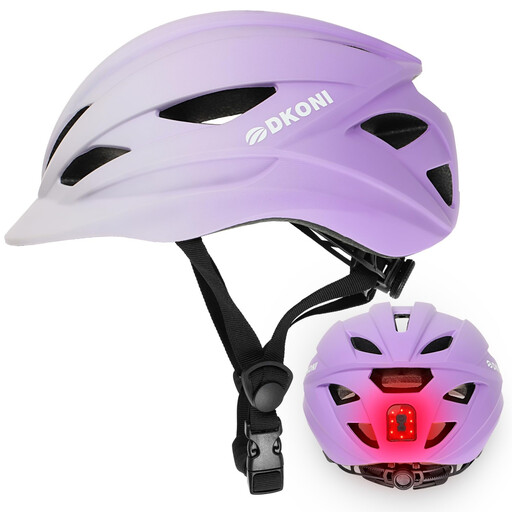
Why it suits this profile: A practical choice for city rides, commuting and everyday cycling, provided your head circumference is between 58-61 cm.
The stated size and adjustable fit make choosing more straightforward than relying solely on age or appearance. The light is removable and can be charged via USB.
PC outer shell, EPS inner layer, 15 ventilation openings and a USB-rechargeable rear light with two modes, according to the product description.
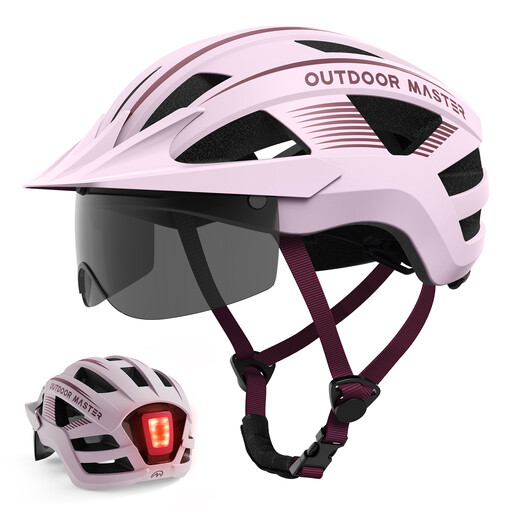
Why it suits this profile: Suitable for adults who switch between city rides, e-bike use, road cycling and mountain biking, and who appreciate additional accessories.
Size L is matched to 58-61 cm, and the fit can be adjusted using a dial and chin strap. The goggles and sun visor are removable.
17 ventilation openings, PC and EPS construction, Type-C rechargeable rear light and included magnetic goggles, according to the product information.
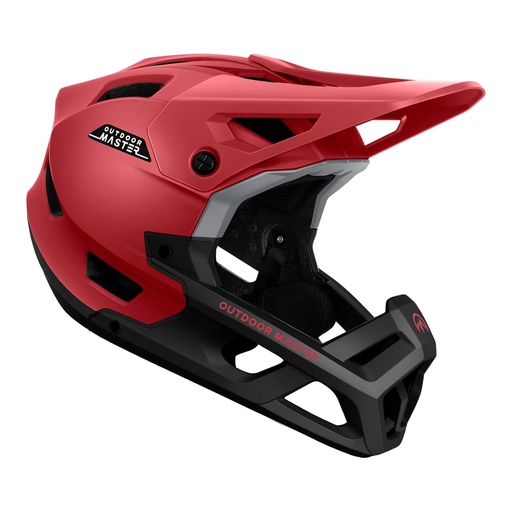
Why it suits this profile: Designed for downhill riding, BMX and intensive mountain biking, where a full-face design may be preferred.
Its intended use is clearly defined. This model is not presented as a general city helmet, but as a helmet for downhill riding, BMX and mountain biking.
ABS outer shell, EPP inner layer, chin guard, 27 ventilation channels and an adjustable visor construction, according to the product description.
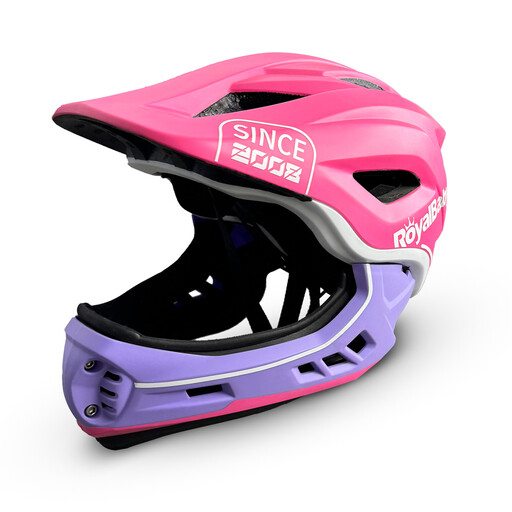
Why it suits this profile: For children aged 5 to 13 who cycle, scoot, skateboard, roller-skate or ride BMX.
The size is adjustable from 20 to 23 inches and the chin guard can be removed. This allows the helmet to be adapted to different uses, but always check that the selected setting fits properly.
2-in-1 design, removable washable padding, multiple ventilation openings and a light in the size adjuster, according to the product information.
We have put together a complete, up-to-date list of products that fully meet these strict selection criteria and the applicable European safety regulations.
A cycle helmet should fit securely but comfortably. It should not move by itself when you move your head. First adjust the dial or inner fitting system, then fasten the chin strap. You should generally be able to fit approximately one finger between your chin and the strap. Check the fit before every ride, especially with a children's cycle helmet.
Replace a helmet after a serious fall or collision, even if there is no obvious external damage. The protective inner layer may have been compromised. Check the product information for care instructions, and replace the helmet if the shell, padding, fastening or straps are damaged. Some product descriptions recommend replacing a helmet after three to five years, but usage, storage conditions and visible wear remain decisive factors.
A helmet with MIPS contains a system that, according to the product description, is designed to take rotational movement into account during certain impacts. This does not automatically make MIPS essential for every cyclist. First consider the size, fit, applicable standard and intended use. For winter sports, a ski helmet with MIPS, such as the OutdoorMaster ELK, is a separate category with its own fit, padding and ear protection.
