
Vandaag of morgen in huis

Kwaliteit gegarandeerd

Welkomstaanbiedingen ontgrendelen: GRATIS bezorging | Tot 80% korting | Gratis 30 dagen JoyPlus-proefperiode
Download de app
If you love paper crafting, you know how a simple shape can transform an entire project. From a handmade card to a detailed scrapbook page, the right details make all the difference. Cutting dies, also known as die cuts, are an indispensable tool in this process. They give you the ability to cut perfect, complex shapes time and time again.
But with an overwhelming selection available, it can be difficult to decide which dies you really need. This guide is here to help. We'll give you some practical tips for choosing the right cutting dies and highlight a few popular options to spark your creativity.
Before you fill your shopping cart, it's wise to consider a few things. This will ensure you make a purchase that you'll enjoy for a long time.
Most metal cutting dies are made from carbon steel. This material is sturdy and stays sharp for a long time, guaranteeing a clean cut without frayed edges. Cheaper, thinner dies can bend or become dull more quickly, leading to frustration and wasted paper. A steel die is a long-term investment that pays off in the quality of your work.
Not every cutting die fits in every die-cutting machine. Although most crafting dies have a standard thickness compatible with popular machines like the Big Shot, Cuttlebug, or Gemini, it's always wise to check the dimensions. Especially with larger dies or complete sets, it's important to be sure they will fit through your machine.
Some dies are designed purely for cutting, while others can also create a raised texture. These are called embossing dies. They not only cut out the shape but also press a pattern into the paper at the same time. This adds an extra dimension and a professional look to your creations, ideal for the front of a greeting card, for example. Think about the effect you want to achieve beforehand.
To help you get started, we've selected a few interesting cutting dies. These choices are based on their design and versatility for various paper projects.

Why it stands out: This cutting die is specially designed to add a decorative edge to your paper. The delicate, openwork pattern with the text "Best Wishes" is ideal for finishing cards and invitations. Instead of adding a separate element, the edge itself becomes part of the design.
Advantages:
Who is this for?: This is an excellent choice for crafters who focus on dies for card making. If you frequently make greeting cards or invitations and are looking for a quick way to create a high-end look, this edger die is a practical addition to your collection.
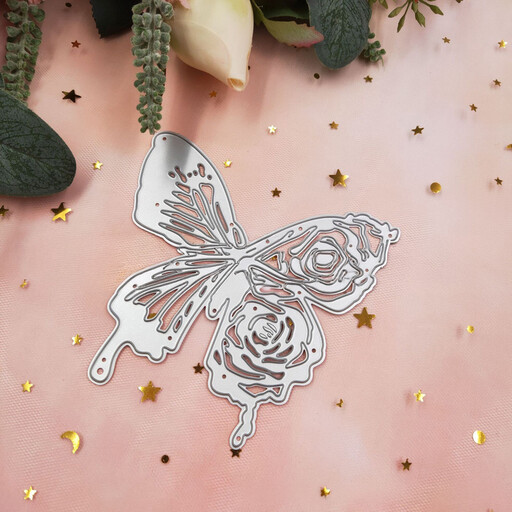
Why it stands out: A butterfly cutting die is a classic, and for good reason. Butterflies are timeless and fit almost any theme. This specific design features a detailed, filigree-like pattern that provides an airy and sophisticated look. You can use the cut-out butterfly as a standalone element or use the negative space as a stencil.
Advantages:
Who is this for?: Both beginners and experienced crafters will find this butterfly die useful. It's a perfect basic die for anyone involved in die-cutting for scrapbooking or decorating photo albums and gift tags.
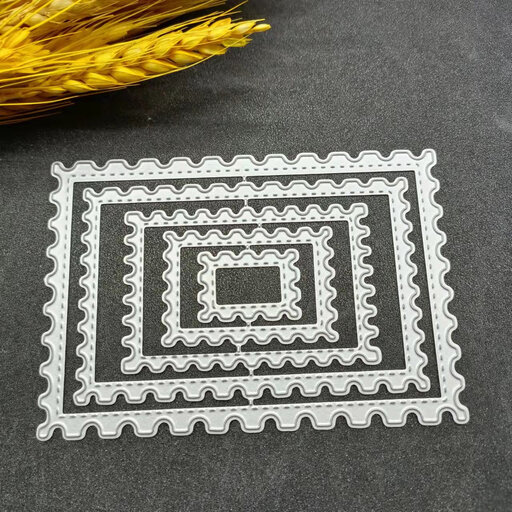
Why it stands out: This set offers more than just a cutting die; it's a complete frame builder. With the different components, you can create a frame reminiscent of a postage stamp, complete with a wavy edge. This is a clever way to highlight a photo, text, or another central element on your page.
Advantages:
Who is this for?: This set is particularly interesting for scrapbookers who want to give their pages a structured and cohesive look. It's also useful for card makers who want to add a 'window' or a striking frame to their designs.
Cutting dies are fantastic, but they are often part of a larger creative process. Another indispensable tool for many paper crafters is the stamp. With stamps, you can easily add text, backgrounds, and images that complete your work. Curious about the possibilities?
Check out our collection of stamps here and discover more tools to take your projects to the next level.
These terms are often used interchangeably, but there is a slight difference. The cutting die (or die) is the metal tool with the cutting edge. Die-cutting is the act of cutting out the shape using the die and a die-cutting machine.
After use, small paper scraps may remain in the die. You can easily remove these with a special brush or a pokey tool. For stubborn scraps, you can use a piece of tape to dab them out of the crevices. Store your dies flat and dry to prevent rust and bending.
Usually, yes, but it's best to double-check. Compatibility depends on two things: the width of the die and the 'sandwich' of plates your machine requires. Most metal cutting dies are thin and work with a standard setup of cutting plates. When in doubt, always consult the manual for your die-cutting machine.
