
Vandaag of morgen in huis

Kwaliteit gegarandeerd

Welkomstaanbiedingen ontgrendelen: GRATIS bezorging | Tot 80% korting | Gratis 30 dagen JoyPlus-proefperiode
Download de app
As a Joybuy Product Recommendation Officer, I see the vast selection of crafting supplies available every day. The world of cutting dies, in particular, can be overwhelming. The packaging promises perfect results, but in practice, things can turn out differently. A die that doesn't cut properly or a design that looks messy on paper is a disappointment for any crafter.
This guide is designed to help you make the right choices. We won't focus on marketing claims, but on the practical details that determine whether a cutting die will be a valuable addition to your collection for card making or scrapbooking.
Before you fill your shopping cart, it's good to know what often goes wrong. Many hobbyists encounter the same problems.
To avoid the problems above, you can look for a few specific characteristics. These specifications provide a better indication of quality than a pretty product photo.
Material: Go for Carbon Steel The most durable and reliable dies are made from carbon steel. This material is hard enough to maintain its sharp edge for a long time, resulting in clean, precise cuts. It is also less flexible than other metal alloys, which helps the die retain its shape, even with detailed designs.
Compatibility and Dimensions Always check the dimensions of the cutting die and compare them with the maximum feed width of your die-cutting machine. Most thin metal dies are designed to work with popular machines, but it's a small effort to verify this beforehand. This applies to both die-cutting and using embossing folders.
Design Details and Cutting Edges Zoom in on the product images. Do the lines of the die look sharp and well-defined? For complex patterns, like lace or fine text, the quality of the cutting edge is crucial. A well-designed die has no broken lines or vague corners. This is essential for anyone serious about paper crafting.
Not everyone needs the same cutting dies. Below are some recommendations, tailored to different kinds of creative projects.
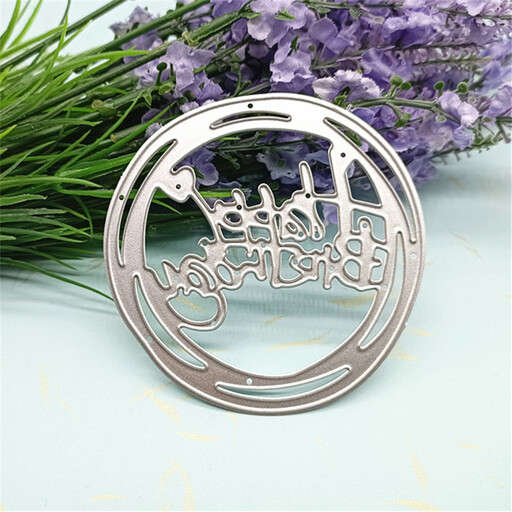
Why This Fits Their Persona: Ideal for those starting with card making. A 'Happy Birthday' sentiment is one of the most versatile elements you can own. It's an affordable way to start your collection without a large initial investment.
The clear and relatively simple font avoids the pitfall of vague or incomplete cuts. Its standard dimensions ensure broad compatibility with most die-cutting machines.
Made from carbon steel for durability. An essential basic that can be used for countless birthday cards.
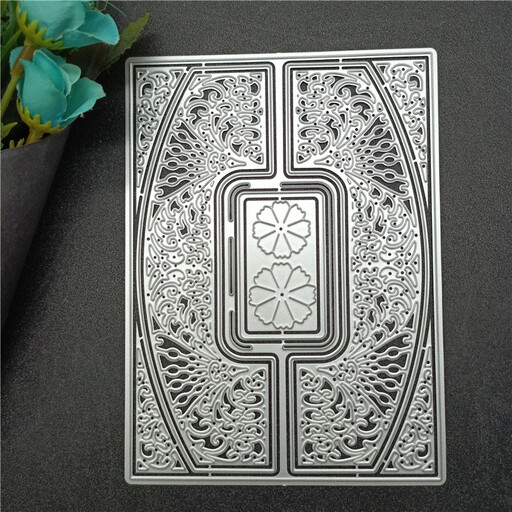
Why This Fits Their Persona: Perfect for the scrapbooker looking for ways to add depth and texture. This type of die creates a beautiful background frame for photos or a decorative layer on a card.
The framework design provides structural integrity, reducing the risk of bending (pitfall #3). The clear, continuous lines of the pattern ensure a reliable cut.
Instantly adds a layered and detailed look to projects. Can be used for both die-cutting and creating a subtle embossing effect.
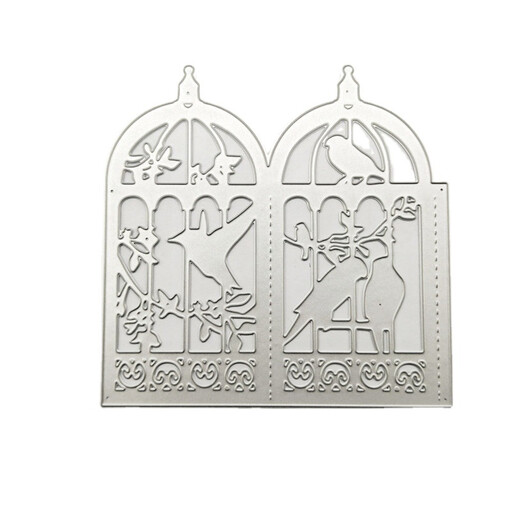
Why This Fits Their Persona: For those working on a specific project, like a wedding. This set offers multiple matching elements (a bridal couple, rings) to create a cohesive theme for invitations or an album.
The designs are elegant but not overly complex, which reduces the risk of failed cuts. The set is designed for broad compatibility, allowing it to fit in most standard machines.
A complete themed set in one package. You don't have to search for multiple individual dies that match, which saves time and effort.
We have compiled a complete, up-to-date list of products that meet these strict selection criteria.
Here are answers to some questions that are often asked about using and maintaining cutting dies.
The lifespan of a cutting die depends on the material and frequency of use. A high-quality die made of carbon steel can last for thousands of cuts with proper use. Store your dies clean and dry to prevent rust and never force them through your die-cutting machine with too much pressure.
Not always. Although most thin metal dies are designed for universal use, it's wise to check the die's dimensions. Compare them with the maximum width of your machine's plates. The product description often includes information about compatibility.
Die-cutting is the process of completely cutting a shape out of paper. For this, you use your machine's standard cutting plates. Embossing creates a relief (a raised impression) of the die in the paper without cutting through it. For this, you typically need a special embossing mat. Many cutting dies are suitable for both techniques, giving you even more creative possibilities.
