
Vandaag of morgen in huis

Kwaliteit gegarandeerd

Welkomstaanbiedingen ontgrendelen: GRATIS bezorging | Tot 80% korting | Gratis 30 dagen JoyPlus-proefperiode
Download de app
If you're passionate about paper crafts, you know how cutting dies can elevate your projects. From detailed greeting cards to unique scrapbooks, the right die can make all the difference. But the online selection is vast, and not every cutting die is worth the investment. Many crafters fall into the same traps: a beautiful design that disappoints in person or a die that dulls after just a few uses.
This guide will help you avoid the common pitfalls. We'll focus on the specifications that truly matter, ensuring you make an informed decision for your next DIY paper craft project.
Before you fill your shopping cart, it's wise to be aware of a few frequently occurring issues.
flower die online, perfect for a card front. When it arrives, however, the die is either too small, causing details to be lost, or too large for a standard A6 card. Vague product descriptions without clear dimensions are a common problem.metal cutting dies are often made from metal that is too thin or soft. They can bend in your die-cutting machine or, worse, the cutting edges quickly become dull. The result is frayed paper instead of a clean, crisp cut.To avoid buyer's remorse, focus on a few objective features. These specifications provide a good indication of the quality and usability of scrapbooking dies and stencils.
The durability of a cutting die depends on its material. Most high-quality dies are made from carbon steel. This material is strong, retains its shape under pressure, and its cutting edges stay sharp longer. It ensures a consistent, clean cut, time after time. Check the product details to see if the material is specified.
Look closely at the type of die. Some dies only cut the outline of a shape, while others also press details into the paper. The latter is called 'embossing'. Complex embossing stencils can add beautiful textures but may require a slightly different 'sandwich' (the stack of plates in your machine) for the best results. For detailed designs, a die that both cuts and embosses is a versatile choice.
Most cutting dies are designed to work with standard die-cutting machines like the Sizzix Big Shot, Vaessen Creative Cut'Em Easy, or the Cuttlebug. Still, it's wise to double-check. Pay attention to the thickness and overall dimensions of the die, especially if you have a smaller or older machine. A good product page will often list which machines the die is compatible with. This is crucial when choosing dies for card making.
To get you started, we've highlighted a few popular choices that suit different creative styles and needs.
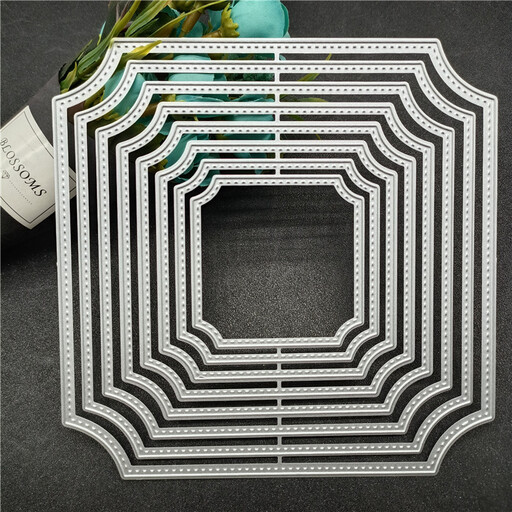
Why it's a good match: When you're just starting out, a set of basic shapes like frames is ideal. This set offers eight different frames, giving you plenty of variety for backgrounds and for highlighting text or images on your cards.
The set includes multiple sizes, so you won't be surprised by a die that's too small or too large. The various frames are designed for standard card sizes.
Versatility. These frames can be combined with stamps, other dies, or simply used as an elegant frame on their own. A great foundation for any collection.
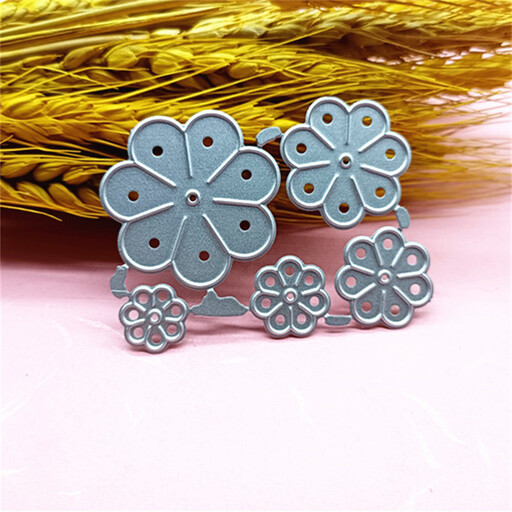
Why it's a good match: Scrapbookers love depth and detail. This set is specifically designed to create layered flowers. You die-cut the different components and build them up into a 3D flower, which creates a stunning effect on a scrapbook page.
This isn't a simple, flat die. The set consists of multiple, coordinated parts. This prevents the disappointment of a 'flat' design and gives you the control to create depth.
Creative freedom. Use all the layers for a full flower, or just a few for a more subtle effect. Combine different paper colours for a unique result.
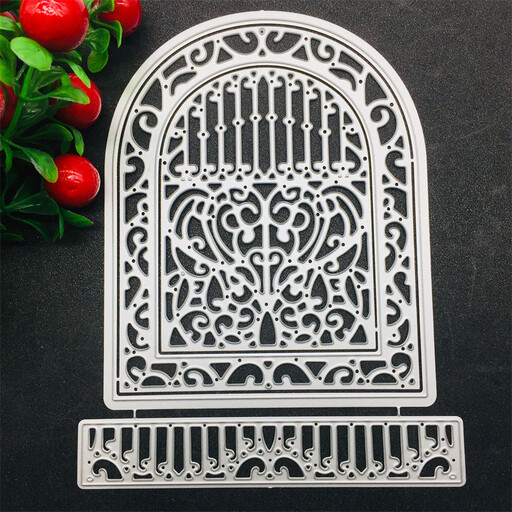
Why it's a good match: For those who love a refined and romantic style, this die is an excellent choice. It combines architectural elements (a window frame) with delicate lacework and flowers, perfect for invitations or elegant greeting cards.
This is a die with a clear function and size, designed as a central element for a card. The combination of cutting and embossing in the design ensures a detailed result that won't disappoint.
Instant 'wow' factor. This die creates an impressive centrepiece, allowing you to make a professional-looking card with minimal extra embellishment.
We have compiled a complete, up-to-date list of products that meet these selection criteria.
A: This is a common issue. First, check the 'sandwich' of your plates; consult your die-cutting machine's manual. If it still doesn't work, try adding a thin piece of cardstock (a 'shim') on top of your die to slightly increase the pressure. Sometimes, rotating the die a quarter turn and running it through the machine again also helps.
A: For intricate metal cutting dies, a piercing tool (or die pick) or a special brush with stiff bristles is very useful. These tools allow you to easily push the small paper pieces out of the die. Another tip is to place a sheet of wax paper between the die and your cardstock; this often helps the paper release more easily.
A: A cutting die (or die) cuts a shape completely out of the paper. An embossing folder is a plastic folder that you place the paper inside. It presses a pattern or texture into the paper without cutting through it. Some cutting dies also have embossing details, offering a combination of both techniques.
