
Vandaag of morgen in huis

Kwaliteit gegarandeerd

Welkomstaanbiedingen ontgrendelen: GRATIS bezorging | Tot 80% korting | Gratis 30 dagen JoyPlus-proefperiode
Download de app
A great meal starts with great prep, and a reliable cutting board is an essential part of that. But the options are overwhelming: bamboo, plastic, or even stainless steel? And which one is truly practical for daily use? Many cutting boards look great in the store but turn out to be clumsy, difficult to clean, or quick to wear out at home.
As a Joybuy Product Recommendation Officer, I'm here to help you cut through the marketing jargon. In this article, I'll give you practical advice for choosing a cutting board that fits your cooking style and kitchen. We'll focus on the facts: material, hygiene, and ease of use.
Before we dive into specific products, here are a few objective points to base your choice on.
The material largely determines the durability, maintenance, and hygiene of your cutting board.
To prevent cross-contamination between raw meat, fish, and vegetables, it's wise to use separate cutting surfaces. You can approach this in two ways:
Based on functionality and material properties, we've highlighted some interesting options for you.
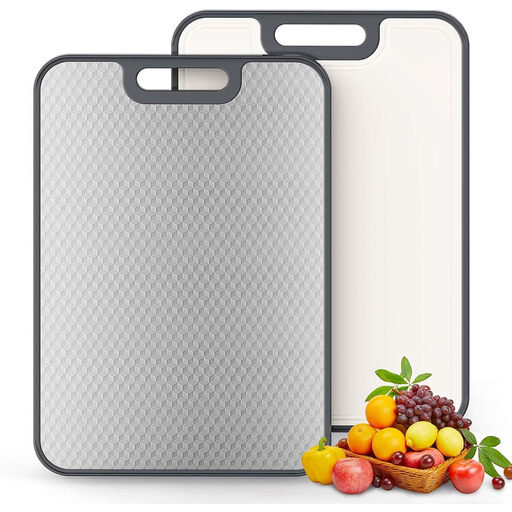
Why It Stands Out: This board combines two materials in one design. One side is made of food-grade stainless steel, the other of wheat straw-PP plastic. This makes it a versatile and hygienic choice.
Advantages:
Who Is It For? For the health-conscious home chef looking for a practical, hygienic, and easy-to-clean solution for separating food types.
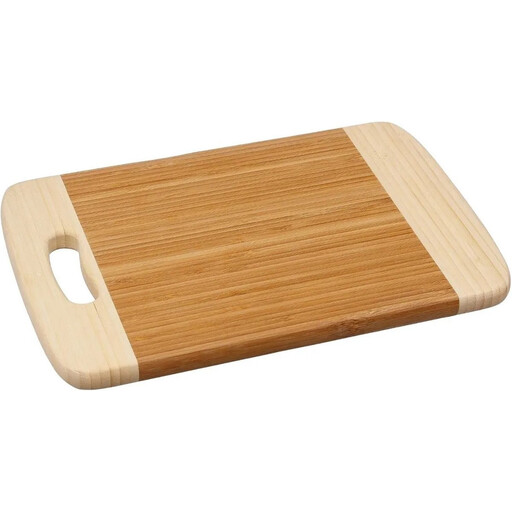
Why It Stands Out: A classic and compact bamboo cutting board that combines functionality with a natural aesthetic. The FSC certification indicates that the bamboo comes from responsibly managed forests.
Advantages:
Who Is It For? For the eco-conscious user who prefers natural materials, or for anyone seeking a handy, extra cutting board for small, everyday tasks.
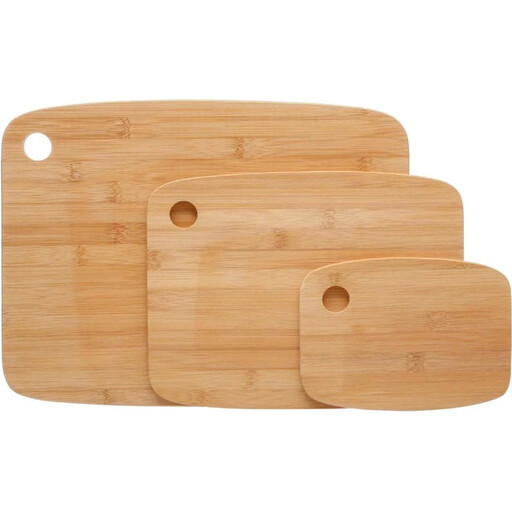
Why It Stands Out: This cutting board set offers a complete and organised solution for the kitchen. With three boards of the same durable material, you can easily keep different ingredients separate.
Advantages:
Who Is It For? For the organised home cook who values efficiency and takes the risk of cross-contamination seriously by using a separate board for each task.
These recommendations are based on popular materials and features. If your ideal cutting board isn't among them, or if you're looking for different sizes or specific accessories, there's more to explore.
Check out our wider range of vegetable prep tools for more options that suit your kitchen.
A stainless steel cutting board is often considered highly hygienic because the material is non-porous and does not absorb juices or bacteria. Well-maintained plastic boards are also a hygienic choice, provided they don't have deep grooves. A bamboo cutting board has certain natural properties that can inhibit bacterial growth but requires careful maintenance (thorough drying after washing). Ultimately, the hygiene of any board depends on how well you clean it.
There's no fixed rule, but it's time to replace a cutting board when it shows clear signs of wear. For plastic boards, this means deep grooves that you can no longer clean properly. For wooden or bamboo boards, look out for cracks, warping, or a persistent sour smell. Regular inspection is the best way to determine if a replacement is needed.
No, it is strongly advised not to put a bamboo cutting board in the dishwasher. The combination of high temperatures and prolonged exposure to water can cause the board to warp, crack, or the glue seams to come apart. Hand washing with mild soap and drying immediately is the recommended method to extend its lifespan.
