
Vandaag of morgen in huis

Kwaliteit gegarandeerd

Welkomstaanbiedingen ontgrendelen: GRATIS bezorging | Tot 80% korting | Gratis 30 dagen JoyPlus-proefperiode
Download de app
A good cutting board is the unsung hero of every kitchen. It's the foundation for almost every meal, but choosing one can be overwhelming. Should you go for a classic wooden cutting board or a modern plastic version? How do you prevent cross-contamination? And which board is also suitable for serving appetisers?
As a Joybuy Product Recommendation Officer, I'm here to help you navigate the options. This guide provides practical tips and a selection of popular cutting boards, so you can make an informed decision that suits your cooking style and kitchen.
Before you make a choice, it's helpful to consider a few key features.
The debate between a wooden cutting board and a plastic cutting board is a classic. Both have distinct advantages.
Hygiene is crucial in the kitchen. To prevent cross-contamination, it's advisable to use different boards for raw meat, poultry, fish, and vegetables.
Think about what you'll be using the board for most often. A large cutting board is ideal for carving a whole chicken or chopping large quantities of vegetables. A smaller board is handy for a quick task, like slicing a lemon. Features like a juice groove, non-slip feet, or a handle can significantly enhance ease of use.
Below is a selection of cutting boards with various features, based on their specifications and functionality.
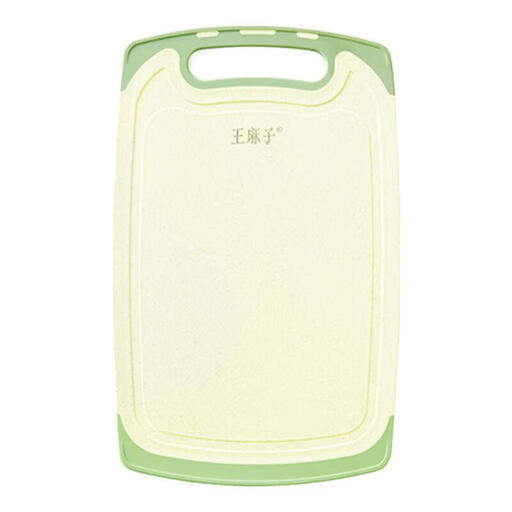
Why It Stands Out: This compact cutting board is made from wheat straw, a material described by the manufacturer as antibacterial and mould-resistant. Its non-slip properties provide extra safety while chopping.
Advantages:
Who Is It For? Ideal for the home cook with a smaller kitchen or for those looking for a separate, handy board for quick tasks like cutting fruit or garnishes.
View the WANGMAZI Cutting Board
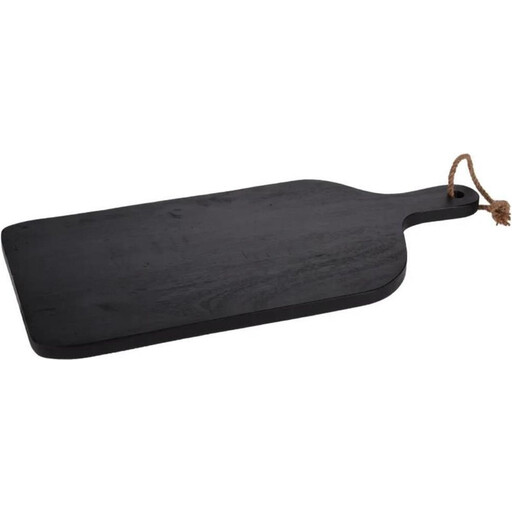
Why It Stands Out: This large cutting board combines functionality with aesthetics. With its 58 cm size and bold black finish, it's not only a workhorse for chopping but also a stylish serving platter for appetisers and dinners.
Advantages:
Who Is It For? Perfect for the host who loves to present snacks and dishes on an attractive board. Also suitable for those who need a lot of chopping space. Note: like most wooden boards, this one is not dishwasher-safe.
View the Rubberwood Serving Board
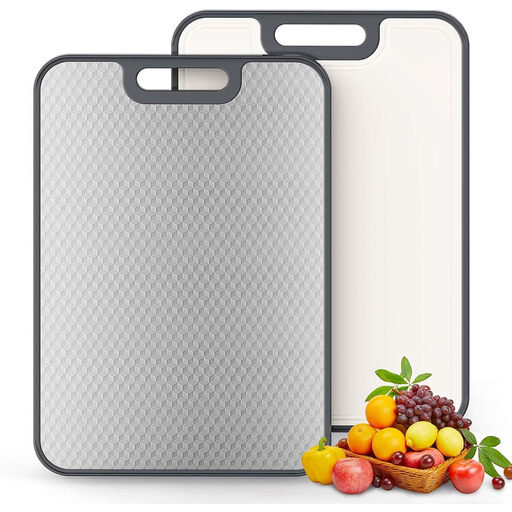
Why It Stands Out: This board cleverly tackles the hygiene issue with a double-sided design. One side is food-grade stainless steel, ideal as a cutting board for meat and fish. The other side is made of wheat straw PP plastic, suitable for vegetables and fruit.
Advantages:
Who Is It For? An excellent choice for the health-conscious and practical cook looking for a hygienic, durable, and low-maintenance solution.
View the Double-Sided Cutting Board
The right cutting board is a personal choice. If the options above don't quite match your needs, there are many more possibilities. Discover other useful tools for a safe and efficient kitchen.
Explore more options in our safety device category
Both wood and plastic can be hygienic if used and maintained correctly. Plastic boards can often be washed in the dishwasher at a high temperature, which effectively kills bacteria. Wood has natural antimicrobial properties and 'self-healing' fibres that close up minor scratches. The key to hygiene is thorough cleaning after each use and using separate boards for raw meat and other foods.
You should replace a plastic cutting board as soon as it develops deep grooves and scratches that can no longer be cleaned properly. A well-maintained wooden cutting board can last for many years. If the surface becomes very rough, you can sand it down to make it smooth again.
No, generally not. The high temperature and large amount of water in a dishwasher can cause the wood to warp, crack, or split. Always wash a wooden cutting board by hand with warm water and mild soap, and dry it thoroughly immediately after.
