
Vandaag of morgen in huis

Kwaliteit gegarandeerd

Welkomstaanbiedingen ontgrendelen: GRATIS bezorging | Tot 80% korting | Gratis 30 dagen JoyPlus-proefperiode
Download de app
A good cutting board might seem like a simple kitchen tool, but the wrong choice can lead to frustration, dull knives, and even unhygienic conditions. Many boards look great in the store or online, only to show flaws after just a few weeks of use. Before you buy a new cutting board, it's wise to understand the most common pitfalls.
To avoid a bad purchase, it's important to pay attention to a few key specifications. These determine the functionality, durability, and safety of your cutting board.
The material is the most important factor. Each type has its own pros and cons.
The dimensions of the board determine how comfortable it is to work with.
Modern cutting boards often come with handy extras that make cooking easier.
Based on these criteria, we have selected a few popular choices that suit different types of users.
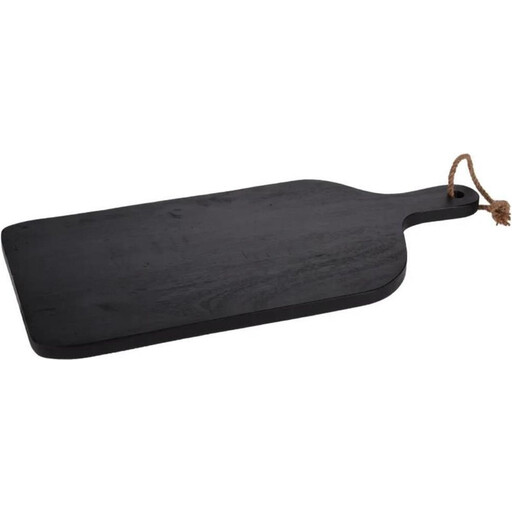
Why This Fits Their Persona: Perfect for those seeking a board that is both functional and makes a statement. Its large size and bold black finish make it an ideal charcuterie board or serving platter for presenting cheeses, cured meats, and other appetisers.
This isn't a typical case of the 'design trap'. The board is made from rubberwood, a durable and robust hardwood. It's designed for both cutting and serving, unlike purely decorative boards that damage easily.
Extra-large size (58 cm) offers ample space for presentation. The black colour provides a modern yet warm aesthetic.

Why This Fits Their Persona: For the home cook who values an efficient workflow. This board streamlines the prep process by offering a direct solution for collecting chopped ingredients or waste.
This product shatters the 'all-in-one' myth by providing a highly specific, functional addition. The slide-out stainless steel tray directly solves the common problem of a cluttered countertop, making it more than just a standard cutting board.
Integrated stainless steel collection tray for a clean and organised workspace. Made from hard and hygienic bamboo.
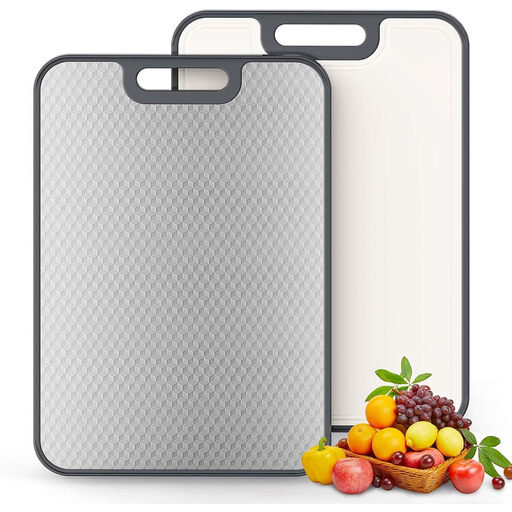
Why This Fits Their Persona: Ideal for anyone concerned about cross-contamination between raw meat and vegetables. This design offers a built-in, safe separation for different food types.
Directly addresses the 'wrong material match' and hygiene concerns. The stainless steel side is non-porous, won't absorb odours, and is perfect for raw meat. The plastic side is gentler on knives and intended for fruits and vegetables.
Dual-sided design for hygienic food separation. The board is dishwasher-safe for easy and thorough cleaning.
We have curated a complete, up-to-date list of products that fully meet these strict selection criteria.
Always wash a wooden or bamboo cutting board by hand with warm water and mild soap. Never put it in the dishwasher, as the heat and moisture can cause the board to crack or warp. After washing, let the board air-dry upright. To prevent it from drying out, it's recommended to rub the board monthly with a food-safe mineral oil or a special cutting board oil.
Wood (especially end-grain) and softer plastic boards are the kindest to your knife's edge. They have a certain "give" that absorbs the impact. Bamboo is harder and can dull your knives slightly faster than wood. Materials you should absolutely avoid for your good knives are glass, marble, granite, or other types of stone. These are extremely hard and will ruin your knife's sharpness.
To prevent cross-contamination, it is strongly recommended to use separate boards: one for raw meat, poultry, and fish, and another for produce that won't be cooked, such as vegetables, fruits, and bread. If you only want to use one board, a double-sided board with a clear separation (like stainless steel/plastic) can be a good solution. Always clean the board thoroughly between cutting different types of food.
