What should you look for when buying?
Start by measuring your covered containers and the available space. Then check how you can measure the temperature while the fridge is in use; the Netherlands Nutrition Centre recommends a fridge temperature of 4 °C.
| What to consider |
What to look for when buying |
Who is this important for? |
| Ability to check the storage temperature |
Compare the temperature controls and access to the fridge compartment. Once it is set up, use a thermometer to measure the actual temperature. |
If I want to keep cut melon chilled during the workshop, I need to know how cold the contents actually are. Around 33% of consumers put checking the storage temperature first. |
| Usable space for melon containers |
Measure the containers and check the shelves and door opening. Also work out how many other ingredients need to be chilled at the same time. |
If I need to fit several covered containers and other ingredients for a larger group, I look beyond the stated number of litres. Around 27% of consumers give container capacity top priority. |
| Positioning in the workshop space |
Measure the space for the appliance and the route to get it there. Check the installation requirements and permitted ambient temperature in the instructions for the exact model. |
If space is limited, the fridge needs to fit there and work properly. Around 20% of consumers put the available installation space first. |
| Refrigeration at different locations |
Check that the containers fit inside and find out what power connection is available at each location. |
If I run workshops in different places, I want to be able to take the fridge with me and connect it at the venue. Around 13% of consumers put portability first. |
| Power consumption and after-sales terms |
Compare the stated annual energy consumption of models that otherwise suit your needs, and read the supplier's service and warranty terms. |
If the storage task and space requirements are covered, I also want to take energy consumption and after-sales terms into account. Around 7% of consumers make running costs their top priority. |
Brands to compare
These models illustrate different types of refrigeration. The features listed apply to the specific models and not automatically to every product from each brand.
Inventum
The KK550 is a tabletop model worth comparing for a permanent spot, with adjustable shelves.
- Inventum lists a capacity of 131 litres, a width of 55 cm, adjustable shelves and a digital thermostat for the KK550.
- These details do not confirm that every melon container will fit or that the contents will stay at 4 °C during a workshop.
Bosch
The KTR15NWEB is a tabletop model without a freezer compartment, worth comparing if fridge space is your priority.
- Bosch lists 134 litres of fridge space, a width of 56 cm and a door-open alarm for this model.
- The stated capacity and external dimensions do not show how much room your containers will take up.
Liebherr
The Rc 1400 Pure is a compact tabletop model worth comparing for its dimensions, capacity and stated noise level.
- Liebherr lists a total volume of 125 litres, a width of 55 cm and a noise level of 34 dB for this model.
- The total volume is not the same as the space available for your containers; these specifications do not establish the temperature during a workshop.
Dometic
The CFF 35 is a portable compressor cool box to consider for workshops at different locations.
- Dometic lists a capacity of 34 litres and includes AC and DC connection cables. The stated temperature range is +20 °C to −18 °C.
- The temperature range does not guarantee the actual temperature of the food; its capacity is smaller than that of the tabletop models listed.
Metos
The Supreme 710 is a refrigerated worktop worth comparing for a permanent preparation area, with chilled ingredients close to hand.
- Metos lists three separately managed sections and a temperature range of −2 °C to +8 °C for this model.
- This is a larger option than a tabletop model; the temperature range does not confirm the measured temperature of stored melon.
Fridges at Joybuy
This Joybuy selection focuses on refrigeration for a permanent workshop location, from compact fridges to fridge-freezers with more fridge space.
 No image available
Sonlu CS-100L fridge, energy rating E
A compact option to compare for covered containers in a permanent location, provided the layout offers enough space.
Capacity: 82 litres. Mechanical temperature control, adjustable glass shelves, salad drawer and door compartments. Described as a model without a freezer compartment.
View at Joybuy
 No image available
TCL RF120DWE0 fridge, 90 litres, with chiller compartment
A compact fridge to compare if adjustable shelves and space for other chilled ingredients are important.
Total capacity: 90 litres. Three adjustable glass shelves and a separate chiller compartment. The stated temperature range for the fridge compartment is 0–10 °C.
View at Joybuy
 No image available
CHiQ JR92DSE compact fridge, 92 litres, energy rating E
A compact model to compare if available width and a flexible layout are key considerations.
Capacity: 92 litres; stated width: 47 cm. Seven temperature settings, adjustable glass shelves, a chill drawer and a reversible door. The product information lists 4 °C as the recommended setting.
View at Joybuy
 No image available
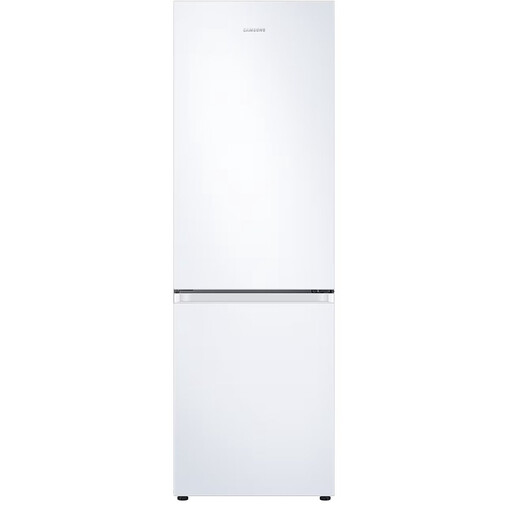
Samsung RB34C605CWW/EF fridge-freezer, 344 litres, white
A fridge-freezer to compare if you want to store several chilled ingredients and also need freezer space.
Total capacity: 344 litres, including 230 litres of fridge space and 114 litres of freezer space. The description lists three shelves and two fresh food drawers.
View at Joybuy
 No image available
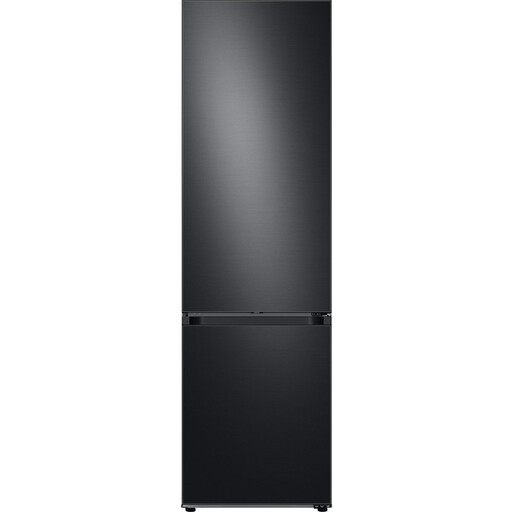
Samsung RB38C7B6AB1/EF fridge-freezer, 387 litres, energy rating A
A larger fridge-freezer to compare if you need to store more chilled ingredients and frozen food at the same time.
Total capacity: 387 litres, including 273 litres of fridge space and 114 litres of freezer space. The description lists three shelves and two salad drawers.
View at Joybuy
Frequently asked questions
How should I store cut melon during the workshop?
Keep the melon covered in the fridge. The Netherlands Nutrition Centre recommends setting the fridge to 4 °C; check the temperature of the contents while it is in use, rather than relying on the control setting alone.
Do I need a freezer compartment for this storage task?
No. For cut melon, the Netherlands Nutrition Centre recommends fridge storage. Choose a freezer compartment only if you also want to freeze other products, and check how much fridge space will remain.
How do I check the refrigeration at a commercial workshop?
For food businesses, the NVWA recommends using a digital food thermometer to check the temperature of perishable food; according to the NVWA, simply reading the fridge display is not enough. The requirements that apply depend on the actual business activity.
Do I need an HACCP food safety plan for my workshop?
The NVWA says that a business preparing, processing or selling food needs an HACCP food safety plan or an applicable hygiene code. Whether this applies to your workshop depends on the activity; it is not possible to determine here whether this requirement applies to a purely private workshop.
What running costs and service terms can I compare?
For models that otherwise suit your needs, compare the energy label and stated annual energy consumption, and check the service and warranty terms for the exact model and supplier. The Dutch government describes the energy label as information about energy consumption; it does not tell you whether your melon containers will fit.


