
Vandaag of morgen in huis

Kwaliteit gegarandeerd

Welkomstaanbiedingen ontgrendelen: GRATIS bezorging | Tot 80% korting | Gratis 30 dagen JoyPlus-proefperiode
Download de app
Curry spices and sauces come in many forms: from curry powder and curry mix to curry paste, curry sauce and ready-made meal kits. This wide range is convenient, but it can also make choosing more difficult. A product that seems mild, for example, might actually contain a lot of salt. And a large pack isn’t automatically good value if you only use the paste occasionally.
With this guide, you’ll know what to look for before you buy curry for home. That way, you can choose more wisely based on flavour, ease of use, dietary needs, ingredients and allergens.
Labels such as mild, medium-hot and hot aren’t fully standardised. As a result, one red curry can taste much hotter than another. Also pay attention to ingredients like chilli, red pepper or green chilli, and if you’re unsure, start with a smaller amount.
What’s more, Thai, Indian and Japanese curries are very different in character. Japanese curry is often thicker and milder in flavour, while a Madras curry mix is typically more aromatic and spicier. The colour alone tells you very little about the final taste.
Marketing terms don’t automatically describe the composition or preparation method. Always check the ingredients list and nutritional information per 100 grams. In some curry paste products, salt, sugar or oil appear relatively high on the list. That can affect both the flavour and how much you end up adding.
Claims about taste, origin or authenticity come from the brand or product description. So treat them as product information, not as an independent guarantee.
Always check the actual packaging, especially if you have allergies or intolerances. The range includes products that are described as vegan or gluten-free according to the product information, but other variants may contain wheat, soya, mustard, milk or shellfish for example.
Also look out for cross-contamination and the “may contain” statement. The packaging is what counts, because ingredients and recipes can change.
The format determines how much freedom and preparation you have:
A 400-gram jar is practical for families or meal prep, but less suitable if you only make curry occasionally. A small pack prevents waste and makes it easier to try out different flavour directions.
Also look at the recommended dosage. Koh Thai Yellow Curry Paste, for example, suggests an average of two tablespoons for two people. With a strongly spiced paste, less may already be enough. Store opened pastes and sauces according to the label; many products need to be refrigerated after opening.
At a minimum, check for:
Nutritional values are usually given per 100 grams. So don’t just compare the numbers, but also how much of the product you use per serving.
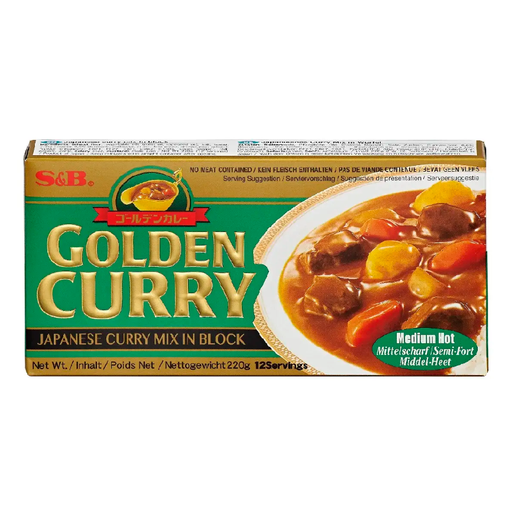
Why this fits the profile: An easy-entry curry for home. Just add water, vegetables and a source of protein for a thick Japanese curry sauce with rice or noodles.
The preparation method is simple and the packaging clearly states that it is a Japanese curry sauce mix. Do check the wheat allergens though.
220 grams; suitable for curry rice, noodles and sauces; mild Japanese style according to the product description.
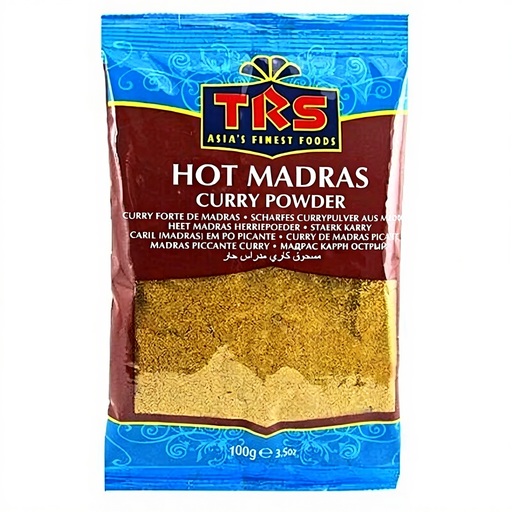
Why this fits the profile: For home cooks who want to control the intensity and composition of their Indian curry themselves.
The ingredients are listed, including coriander, turmeric, chilli and cumin. This means you can build on the flavour without relying solely on colour or marketing text.
100 grams; suitable for curries, stews and marinades; vegetarian and vegan according to the product information.
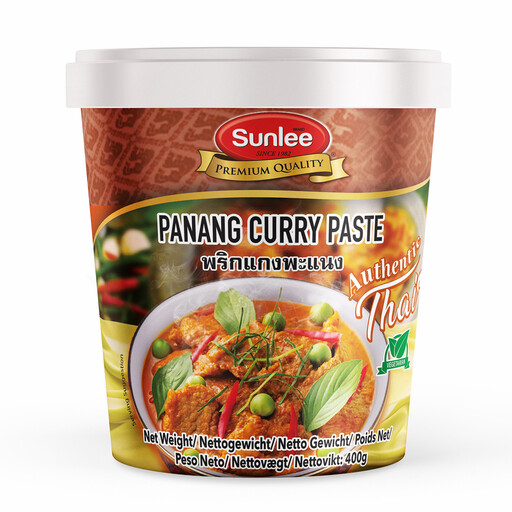
Why this fits the profile: A large pack for fans of Thai curry, meal prep or regular cooking for several people.
The product information mentions specific uses such as curries, stir-fries, soups and marinades. Check the storage instructions and allergens after opening.
400 grams; contains dried chilli, lemongrass, galangal and kaffir lime according to the label; suitable for vegan preparations according to the product information.
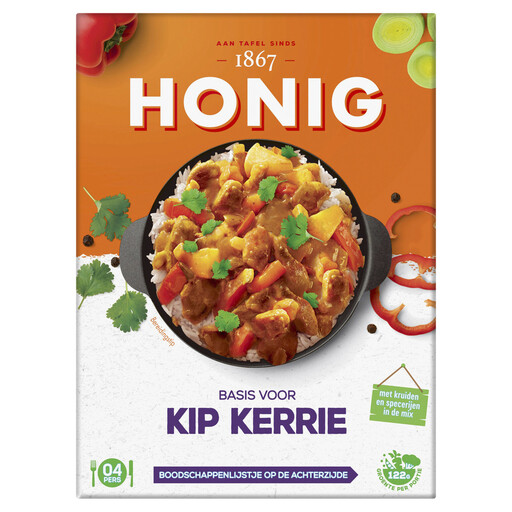
Why this fits the profile: According to the product information, the mix is intended for three to four people and has a preparation time of around twenty minutes.
The packaging indicates which fresh ingredients you need to add, such as rice, chicken, onion, pepper and optionally pineapple. This way you know the total cost of the meal in advance.
59 grams; clear meal breakdown; chicken can be replaced with vegetarian pieces according to the product description.
We’ve put together a full, up-to-date list of products that fully meet these strict selection criteria and comply with current European safety regulations.
Curry paste usually contains a combination of herbs, spices, aromatic ingredients and moisture or oil. You often fry the paste briefly before adding coconut milk or other ingredients. Curry powder is dry and gives you more control over the dosage, but you often need extra ingredients for a complete sauce.
Use a mild curry paste or curry spices and add them gradually. Coconut milk, yoghurt or extra vegetables can round out the flavour, but first check whether the product suits your diet. With a curry mix or sauce block, you can also use less than the recommended amount and adjust later.
Always follow the label. Unopened products are usually stored in a cool, dry place. After opening, many sauces and pastes need to be refrigerated and used within a limited time. Seal the packaging well and do not use any product where the packaging is damaged or where the smell, colour or texture has clearly changed.
