
Vandaag of morgen in huis

Kwaliteit gegarandeerd

Welkomstaanbiedingen ontgrendelen: GRATIS bezorging | Tot 80% korting | Gratis 30 dagen JoyPlus-proefperiode
Download de app
A curry meal can be on the table in no time, but the wrong base can leave you with a sauce that's too sweet, not spicy enough, or a product that doesn't suit your diet. When you buy curry sauce and curry paste online, you'll also come across terms like "authentic", "mild" and "100% natural" – without it being immediately clear what you're actually getting.
So pay particular attention to these three common pitfalls:
For a busy weeknight, a ready-to-use curry sauce is practical. You simply heat the sauce and add rice, vegetables, tofu or chicken, for example. According to the product information, S&B Curry Sauce with Vegetables Hot already contains carrot, potato and onion. Chicken Tonight Indian Curry is designed as a stir-fry or simmer sauce for a meal for three to four people, and includes red pepper, pineapple and raisins.
A curry paste gives you more freedom to control the strength and texture yourself. You fry the paste briefly and then add coconut milk, vegetables, meat, fish or a plant-based alternative. Mae Ploy Panang Curry Paste, for instance, suggests a preparation method using 50g of paste and 400g of coconut milk. Check the storage instructions after opening; many pastes need to be kept refrigerated.
A curry mix or roux block is handy when you want a thicker sauce without lots of individual ingredients. Japanese curry often works this way: you add water, vegetables and a protein source, and let the blocks dissolve.
The name "curry" doesn't refer to one fixed flavour.
Don't just look at the size of the jar or packet. Also check the recommended amount per person. Koh Thai Yellow Curry Paste recommends an average of two tablespoons for two people and states eight to ten portions per pack. With a large jar like Sunlee Panang Curry Paste, the cost per meal can work out lower, but only if you use the paste regularly.
Also pay attention to the nutritional values per 100g. Some curry products contain relatively high levels of salt or sugar. Hela Curry Sauce, for example, lists 29g of sugar per 100g; according to the product information, the sauce is intended as a sweet and spicy table sauce. That doesn't make the product unsuitable, but it does make it less logical if you want to prepare a savoury curry without extra sweetness.
Also check the exact allergens:
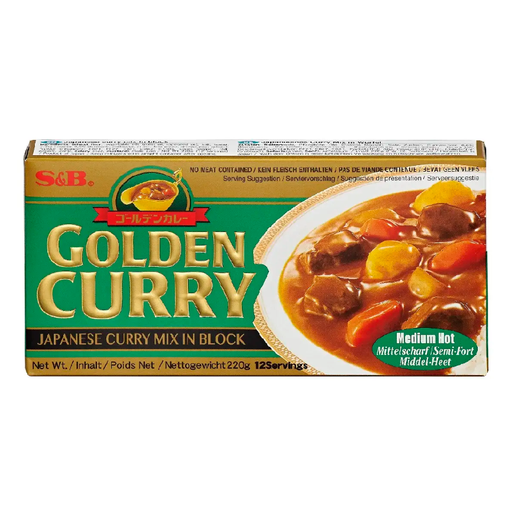
Why it fits this profile: The blocks are easy to portion and suitable for curry with rice, vegetables and a protein source of your choice.
The product description clearly states that water, meat or vegetables need to be added. Do check for the presence of wheat and allergens.
220g, suitable for multiple portions; Japanese style with a thicker sauce texture.
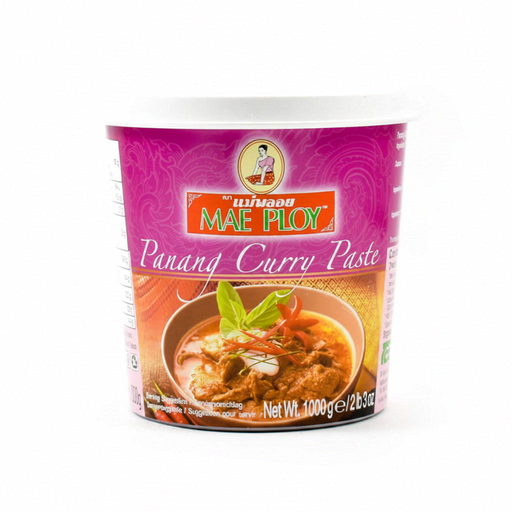
Why it fits this profile: The detailed preparation instructions make this product suitable for home cooks who want control over the coconut milk, filling and heat level.
The recommended ratio of 50g paste to 400g coconut milk helps prevent using too much paste at once. The paste does contain prawns.
400g pack; suitable for chicken, beef, tofu, seafood and vegetables according to the product information.
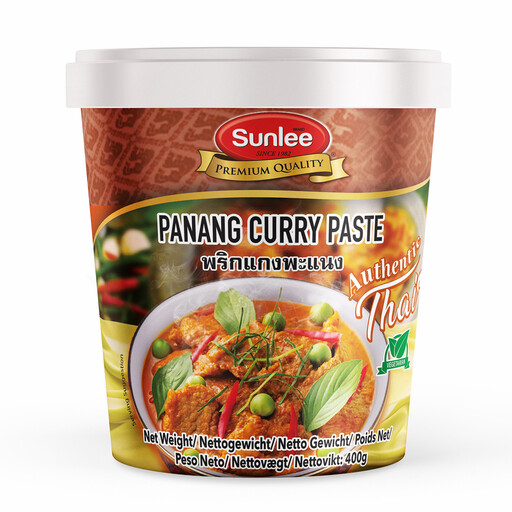
Why it fits this profile: The large size suits households that frequently prepare Thai curry, soup, marinade or stir-fry dishes.
The product information mentions multiple uses. This means you don't have to use the jar for just one curry recipe. After opening, the product must be sealed tightly and refrigerated according to the label.
Vegan according to the product description; contains chilli, lemongrass, galangal and kaffir lime, among other ingredients.
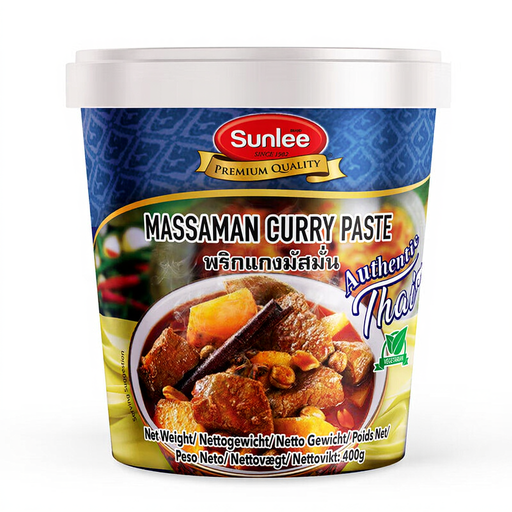
Why it fits this profile: The paste can be prepared with coconut milk, vegetables, tofu or plant-based proteins, and fits well with vegan meal planning.
The product description states the product is vegan, but does list soya as an allergen. Check the label if you have an allergy or risk of cross-contamination.
400g; suitable for curries, stews, marinades and soups.
We've put together a full, up-to-date list of products that fully meet these strict selection criteria and comply with current European safety regulations.
Curry sauce is usually ready to use straight away and only needs to be heated. Curry paste is more concentrated and, together with coconut milk, stock or other liquid, forms the base of a dish. A curry mix or roux block thickens the sauce during cooking and is often used with water.
First, use less curry paste than stated on the packet and add more later if needed. Coconut milk, yoghurt or extra vegetables can round out the flavour, but if using yoghurt, check whether the chosen curry already contains milk. With a ready-to-use sauce, you have less control over adjusting the heat level.
Always follow the label. In many cases, an opened curry paste must be stored refrigerated and tightly sealed. Use a clean spoon and check the smell, colour and best-before information before using the paste again.
