
Vandaag of morgen in huis

Kwaliteit gegarandeerd

Welkomstaanbiedingen ontgrendelen: GRATIS bezorging | Tot 80% korting | Gratis 30 dagen JoyPlus-proefperiode
Download de app
A curry can be on the table in no time, but choosing the wrong product can leave you with an overly sweet sauce, unexpected heat or a jar that sits in the fridge after just one meal. When choosing curry sauce and curry paste, it is therefore not just the cuisine on the label that matters. The preparation method, ingredients, serving size and allergens all determine whether a product is right for your household.
The labels mild, medium-hot and hot are not always directly comparable between brands or cuisines. Japanese curry is often thicker and milder in character, while Thai curry paste typically contains chilli, lemongrass and galangal. Always check the product description and start with a smaller amount of paste than the recipe recommends.
A ready-made curry sauce can be heated straight away and served with rice. Curry paste, on the other hand, is a concentrated base that you usually combine with coconut milk, water or stock. A curry spice mix mainly contains dried herbs and spices and often requires additional ingredients such as onion, tomato or cream.
So if you buy a paste without preparing in advance when you actually wanted a ready-made sauce, you will still have more cooking to do.
Terms such as “natural”, “mild” or “vegan” do not tell you everything. Always check the ingredients list and allergen information. For example, some varieties of S&B Golden Curry contain wheat and soya. Koh Thai yellow curry paste contains wheat and mustard seeds. Patak’s Korma contains milk and, according to the product information, may contain peanuts and nuts. Also check the current packaging, as labels can change.
Do not judge a curry paste by its colour alone. A green curry paste can be hotter than a red or yellow variety, but this varies from one recipe to another. Some products specify a recommended amount, such as two tablespoons for two people. This is a practical starting point, but you can adjust the flavour with extra coconut milk, vegetables or rice.
A 400-gram jar is handy for families, meal preparation or several cooking occasions. Smaller packs of around 59 to 225 grams are practical when you want to try a flavour first. When choosing a vegan curry paste, do not just look at the front of the label; also check for possible cross-contamination and the allergen information. A product can be vegan and still contain soya, peanuts or nuts.
For ready-made sauces, it is also useful to compare the sugar and salt content per 100 grams. Hela Curry Sauce, for example, is intended as a sweet and spicy sauce for chips, snacks and rolls; this is a different use from a curry meal served with rice.
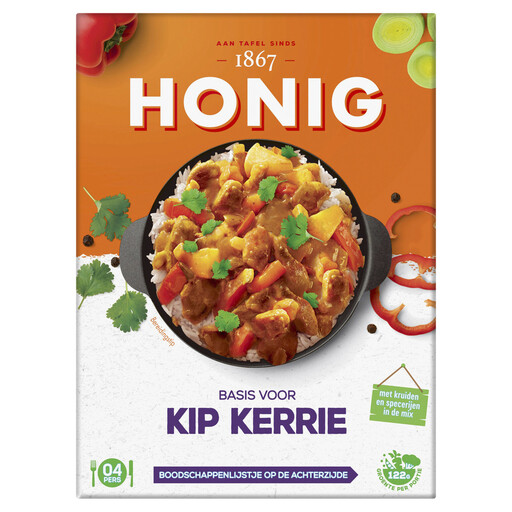
Why it suits this profile: This small spice mix is intended for a meal for three to four people and requires everyday ingredients such as rice, chicken, onion and pepper. That keeps your first purchase simple.
The product information states a preparation time of around 20 minutes and clearly lists the ingredients you need to add yourself. However, check the full allergen list, which includes wheat, milk, soya and mustard.
59 grams, suitable for three to four people and suitable with chicken or vegetarian pieces.
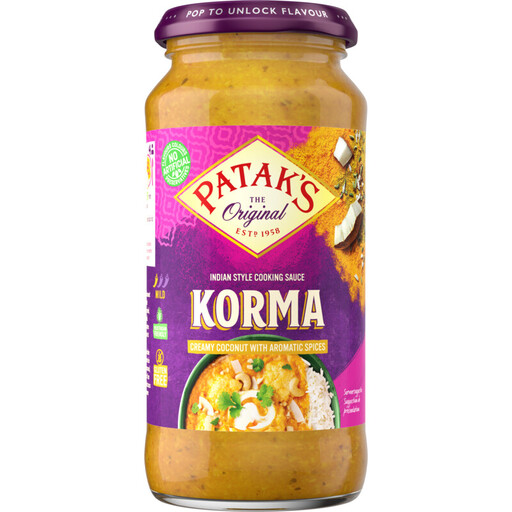
Why it suits this profile: If you are looking for a mild Indian meal with a creamy texture, you can combine this sauce with chicken, basmati rice and vegetables. The product information states a preparation time of 15 to 20 minutes.
The flavour and intended use are clearly described as korma. This means it is not a generic curry sauce that you still need to build from scratch. Check the milk, peanut and nut information before buying.
450 ml, vegetarian according to the product information and suitable for a mild dish.
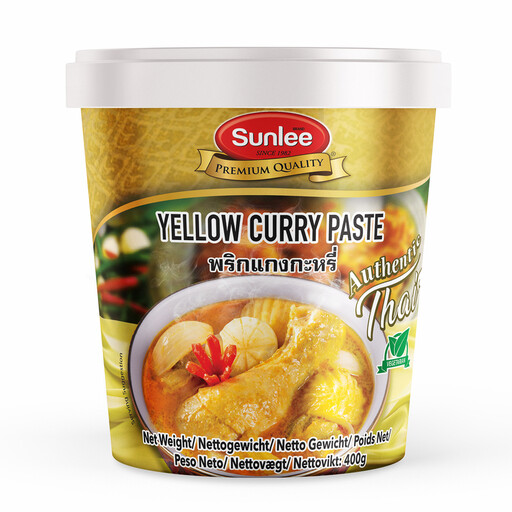
Why it suits this profile: The 400-gram jar is designed for regular cooking, family-sized portions or meal prep. According to the product information, the paste is vegan and gluten-free and is prepared with coconut milk and your choice of ingredients.
Its uses extend beyond a single recipe: according to the description, the paste can be used in curries, soups and marinades. Check the allergen information, as soya, peanuts, sesame and nuts are listed.
400 grams, vegan according to the product information and suitable for curry, soup and marinades.
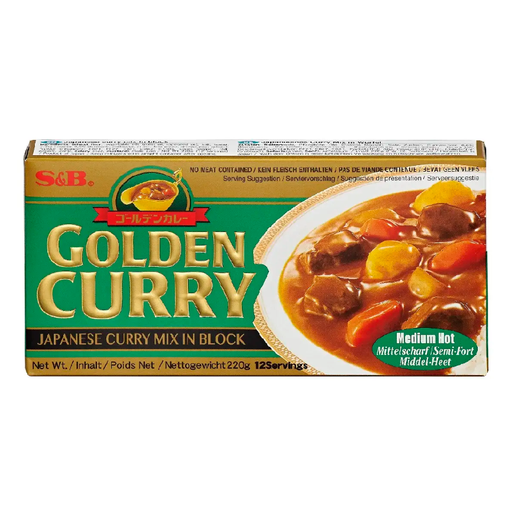
Why it suits this profile: The jumbo pack is intended for serving several people. According to the product description, add water, meat or vegetables and serve the thick curry with rice or noodles.
The preparation method is simple and the serving size suits a family meal or gathering. Bear wheat and gluten in mind and adjust the amount to achieve your preferred level of heat.
220 grams, suitable for several servings and suitable with rice, noodles, meat or vegetables.
We have put together a complete, up-to-date list of products that fully meet these strict selection criteria and the applicable European safety regulations.
Curry paste is concentrated and is usually fried briefly first. You then add coconut milk, water or stock. Curry sauce has already been diluted and can often be heated straight away. A spice mix is drier and requires more ingredients of your own.
Start by using less curry paste than stated on the packaging, then add more later if needed. Coconut milk, yoghurt or extra vegetables can create a rounder flavour. With a ready-made sauce, you can also add more rice or vegetables. Always check whether the heat is described as mild, medium-hot or hot.
Follow the storage instructions on the label. Many opened sauces and pastes must be kept refrigerated and used within a few days. Do not use the product if the packaging is damaged or if its smell, colour or texture has clearly changed.
