
Vandaag of morgen in huis

Kwaliteit gegarandeerd

Welkomstaanbiedingen ontgrendelen: GRATIS bezorging | Tot 80% korting | Gratis 30 dagen JoyPlus-proefperiode
Download de app
A jar of curry sauce can make for a quick meal, but not every variety is meant for the same dish. An Indian sauce for rice and chicken is different from a Thai curry, a Surinamese masala or a sweet sauce for chips. What’s more, terms like “mild”, “creamy” and “authentic” don’t always tell you enough about the ingredients, allergens or how to use it.
With this buying guide, you can compare curry paste, ready-to-use sauce and stir-fry sauce on practical points. That way, you’ll avoid buying a product that’s too spicy, doesn’t suit your diet or doesn’t contain enough sauce for your household.
A red curry isn’t automatically hotter than a yellow one, and a dark sauce isn’t necessarily more aromatic. The heat depends on things like chilli, pepper and how much of each is used. Some products only say “mild” or “spicy” on the front. So always check the ingredients list and the suggested cooking method.
If you don’t eat much spice, you can opt for a mild curry sauce like korma. For more control, a curry paste is handy: you start with a small amount and add more later.
A curry stir-fry sauce is often ready to use straight away with vegetables, noodles or meat. A curry paste usually needs to be fried first and then thinned out with something like coconut milk, stock or tomato. A thick jar of paste and a ready-to-use sauce aren’t directly comparable, then.
Also pay attention to the suggested portions. A 450 g jar might say it serves four, but the final amount depends on the rice, vegetables and chicken you add.
“Vegetarian” doesn’t automatically mean vegan. A creamy Indian curry can contain milk, yoghurt or butter. Thai sauces can also contain soya, wheat, peanuts, sesame or nuts. Always read the current packaging before you buy. The information on a product page may differ from the label, as stated.
Look at the first ingredients on the list. Patak’s Tikka Masala lists water, tomato and yoghurt among its ingredients; the product contains milk. Patak’s Korma contains coconut, cream and milk, among other things. That makes these options relevant for vegetarians, but not necessarily for vegans.
Different points may apply to Thai products. Healthy Boy Green Curry Cooking Sauce lists soya and wheat, among other things. Sunlee Vegan Yellow Curry Paste lists soya, peanuts, sesame and nuts as allergens according to the product information. Always check the physical label if you have an allergy or intolerance.
Don’t just compare the jar price, but also the contents and the values per 100 g. A sweet curry sauce for chips can be relatively high in sugar. Hela Curry Sauce, for example, lists 29 g of sugars per 100 g. A creamy sauce can be higher in fat; Patak’s Korma lists 10.5 g of fat per 100 g.
Also look at salt. Patak’s Indian Mild Curry Paste lists 4.8 g of salt per 100 g. That’s a concentrated paste: you generally use less of it than you would of a ready-to-use sauce. So compare the amount used per meal, not just the table.
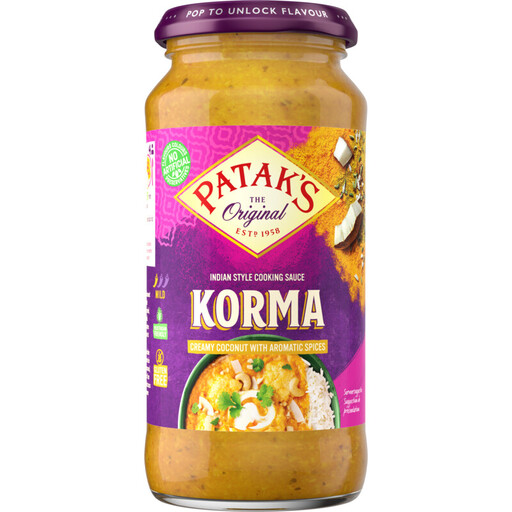
Why this fits the profile: According to the product information, the sauce is mild and designed for a quick meal with chicken, basmati rice and vegetables.
The flavour direction and suggested preparation are clearly described. Do check for milk and possible traces of nuts on the label.
450 ml, suitable for four portions according to the product information, and a preparation time of around 15 to 20 minutes.
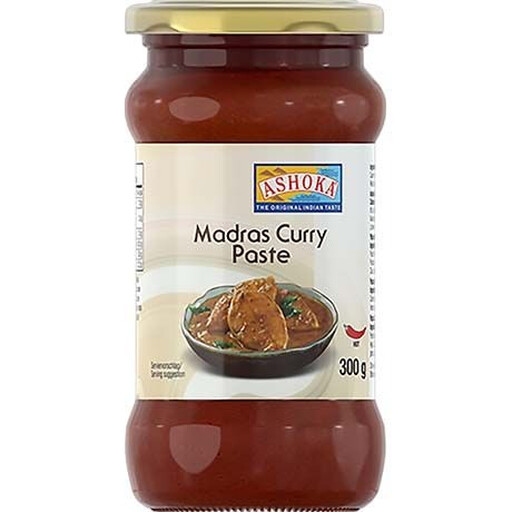
Why this fits the profile: If you enjoy cooking from scratch, you get a concentrated base for madras curry, marinades and grilled dishes.
The paste gives you more control than a ready-to-use sauce. The product description calls it a spicy variety, so start with a small amount.
300 g net weight, vegetarian according to the product information and with no mention of the 14 major EU allergens.
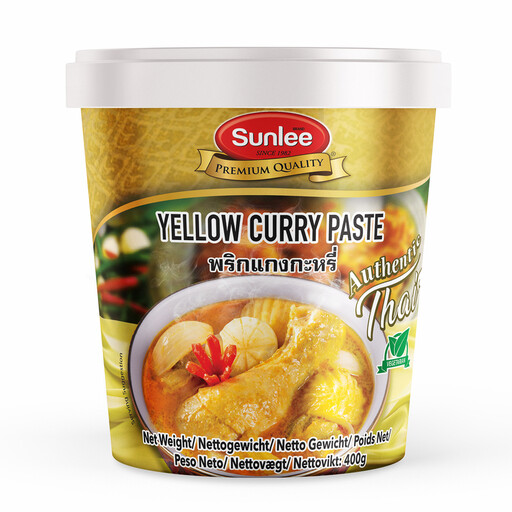
Why this fits the profile: The 400 g jar is practical for families, meal prep and multiple vegetarian or vegan curry meals.
The product information explicitly states it is a vegan yellow curry paste. Still check the current allergen declaration, which includes soya, peanuts, sesame and nuts.
Yellow curry containing turmeric, lemongrass, garlic and cumin, among other ingredients; according to the product information, it contains no artificial colours, flavourings or preservatives.
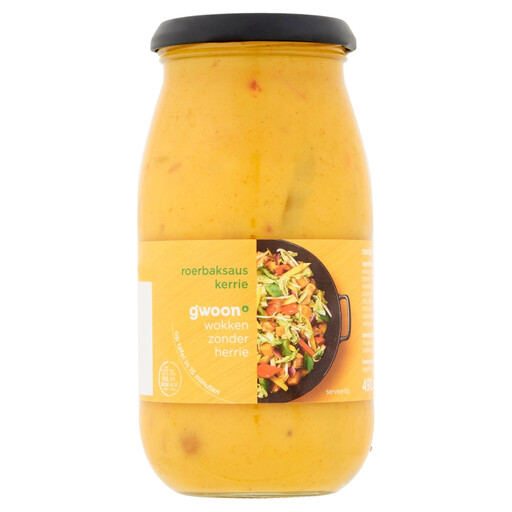
Why this fits the profile: This sauce is made for stir-fry dishes and suits busy households that want to combine vegetables, rice or noodles quickly.
The use is clearly stated as stir-fry. So you’re not buying a curry paste that still needs to be built up with coconut milk.
490 g net weight and a composition that includes red pepper, carrot, pineapple and curry spices. Contains milk and egg.
We’ve put together a full, up-to-date list of products that fully meet these strict selection criteria and current European safety regulations.
An Indian curry sauce like tikka masala, korma or butter chicken is directly intended for a meal with chicken, basmati rice and vegetables. Check the suggested amount of chicken and the number of portions. For a vegetarian or vegan meal, you can replace the chicken with chickpeas, tofu or extra vegetables, but first check the allergens and dietary information.
Curry paste is concentrated and usually needs to be topped up with liquid, such as coconut milk, tomato or stock. A curry sauce is often already thinned out and can go straight into the pan. Paste gives you more control over heat and texture; sauce saves preparation time.
Always follow the packaging. Many jars need to be refrigerated after opening and used within a limited period. Keep the jar tightly sealed, use clean utensils and do not consume the product if the packaging is damaged or the contents smell or look unusual.
