
Vandaag of morgen in huis

Kwaliteit gegarandeerd

Welkomstaanbiedingen ontgrendelen: GRATIS bezorging | Tot 80% korting | Gratis 30 dagen JoyPlus-proefperiode
Download de app
Making a curry doesn’t have to be complicated. Yet the choice between curry paste, curry sauce and curry spices can quickly become confusing. Products sometimes look similar, while they differ in preparation, heat level, allergens, portion size and shelf life after opening.
Three common pitfalls:
Japanese curry is generally thicker and milder in flavour than many Thai curries. A roux or sauce mix often comes in blocks that you dissolve in water, along with vegetables and optionally meat, tofu or other ingredients. S&B Golden Curry is a well-known example of this.
Note the difference between:
A Thai curry paste usually forms the base for a curry with coconut milk. You fry the paste briefly in oil, add coconut milk and then vegetables, tofu, meat or fish. The flavour is determined by ingredients such as chilli, lemongrass, galangal, garlic and kaffir lime.
The colour gives a first indication:
The exact composition varies by product. A vegan curry paste may, for example, be suitable for plant-based dishes, but could still contain soya, peanuts, sesame or nuts.
Curry spices or curry powder give you more control over the recipe. You decide the amount of salt, oil, coconut milk and other flavourings yourself. According to the product information, TRS Madras Curry Powder Hot contains coriander, turmeric, chilli, mustard, cumin and fenugreek, among others. This type of product suits stews, marinades and sauces and is described as suitable for vegetarians and vegans. Always check the current label.
Check whether you are buying a base product or a ready-to-eat meal component. With a curry paste you usually need extra liquid, often coconut milk. With a roux you add water. A ready-to-use sauce often just needs heating.
Also look at the weight:
After opening, a jar usually needs to be sealed tightly and refrigerated according to the packaging. The shelf life can therefore be shorter than for an unopened pack.
A label like ‘hot’ or ‘extra hot’ is useful, but it’s not a universal measure. If in doubt, use less paste first and add more later. Some products give a practical recommended dosage. Mae Ploy Panang Curry Paste, for example, advises halving the amount for a milder flavour.
If you want to make a family-friendly meal, choose mild or medium hot instead. For a spicy curry, you can add chilli later. This keeps the dish more adaptable.
Read the allergen information before you check out. Examples from this range:
‘Vegan’ or ‘vegetarian’ does not mean a product is free from all allergens. If you have a food allergy, the packaging is the deciding factor, because recipes and labels can change.
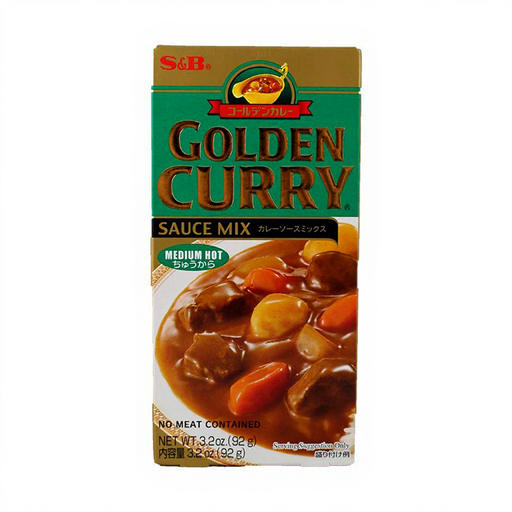
Why this fits the profile: The 92-gram pack is manageable for anyone wanting to try Japanese curry without buying a large stock straight away. According to the product information, the mix is intended for around 5 to 6 portions.
The preparation method and portion guide make it clear what you need. Do check the label for wheat, soya and possible traces of other allergens.
Medium hot, suitable for curry with rice and vegetables, and easy to combine with your own ingredients.
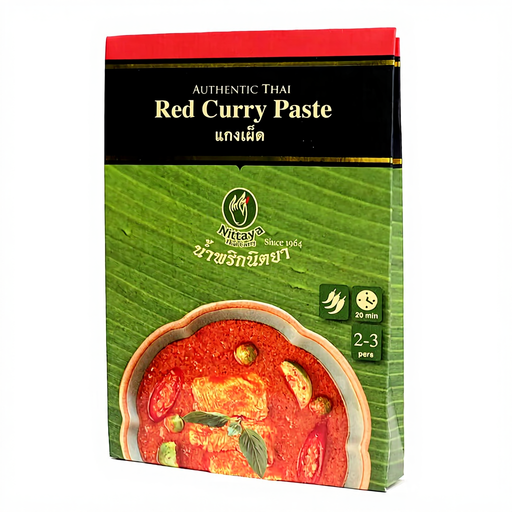
Why this fits the profile: According to the product description, this Thai curry paste contains red chilli, lemongrass, garlic, shallot and galangal, among other ingredients. That suits home cooks who are specifically looking for a distinctive red curry.
The small pack limits waste if you don’t use the paste often. Please note: the ingredients list mentions shrimp paste.
Can be used for curry, soup, marinade and stir-fries; according to the product information, it contains no artificial colours or preservatives.
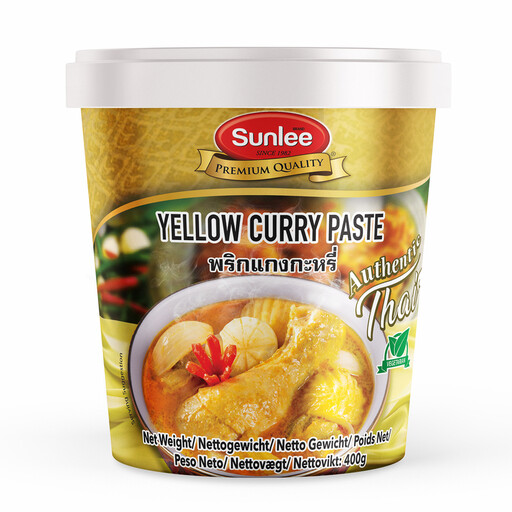
Why this fits the profile: The 400-gram jar is intended for family meals or meal prep, according to the product information. The description states that the product is suitable for vegetarians and vegans.
The product description mentions the intended use and preparation base: stir-fry the paste and add coconut milk. Check the current allergen information before use.
Large pack, yellow curry with turmeric and suitable for combining with vegetables, tofu or other plant-based ingredients.
We’ve put together a full, up-to-date list of products that fully meet these strict selection criteria and comply with current European safety regulations.
Start with the amount stated on the pack and add more paste later. This stops a dish from becoming too salty or too spicy straight away. Fry curry paste briefly in oil to release the aromas, but avoid burning it. Then add coconut milk, water or stock, depending on the recipe.
For a simple meal, you can work with:
A ready-to-use Japanese curry sauce with vegetables is more practical when you’re short on time. According to the product description, this sauce only needs heating and serving with rice or noodles.
Curry paste is a concentrated base that you usually fry and mix with coconut milk, water or stock. Curry sauce is already diluted and can often be heated directly. A roux or sauce mix sits in between: you dissolve the product and add your own ingredients.
This varies by brand and recipe. Store an opened jar according to the packaging, usually sealed tightly and refrigerated. Always follow the stated shelf life and check the smell, colour and texture. The information on the packaging takes priority over general guidelines.
Choose a product that clearly states it is vegan or suitable for vegans. Also check the allergen list. A product can be vegan and still contain soya, peanuts, sesame or nuts. Thai curry paste with shrimp paste is not suitable for a vegan meal.
