
Vandaag of morgen in huis

Kwaliteit gegarandeerd

Welkomstaanbiedingen ontgrendelen: GRATIS bezorging | Tot 80% korting | Gratis 30 dagen JoyPlus-proefperiode
Download de app
A great curry starts with the foundation: the curry paste. But the supermarket aisle is crowded with jars, sachets, and powders, all promising an authentic flavour. The reality is often different. Many products are tailored to the Western palate, loaded with sugar, or simply unsuitable for the dish you intend to make. Before you buy another jar that gets lost in the back of the fridge, it's helpful to know what to look for.
Many home cooks fall into a few common pitfalls:
To avoid these pitfalls, you can look for a few objective characteristics. These specifications on the label tell you more than the marketing on the front.
The product's form factor determines its flavour intensity and preparation method.
The order of ingredients is crucial. The ingredient listed first is the most abundant.
Not all curries are the same. The origin determines the flavour profile.
Below are some products that suit different cooking styles and needs, based on their specifications.
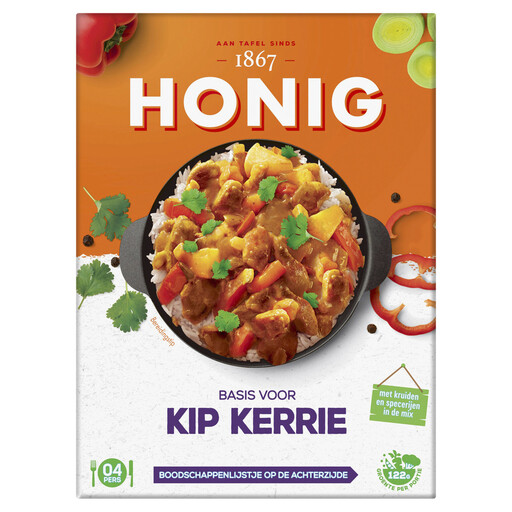
Why This Fits Their Persona: For those who want to quickly put a familiar, mild curry on the table without any fuss. The preparation time is just 20 minutes and the instructions are clear, making it ideal for a busy weeknight.
This product avoids the "authentic disappointment" trap by clearly being a meal mix. It doesn't promise a complex Thai flavour, but rather a quick and easy base for a chicken curry.
Speed and convenience. The mix provides a complete base for a sauce, so you don't have to worry about the proportions of spices.
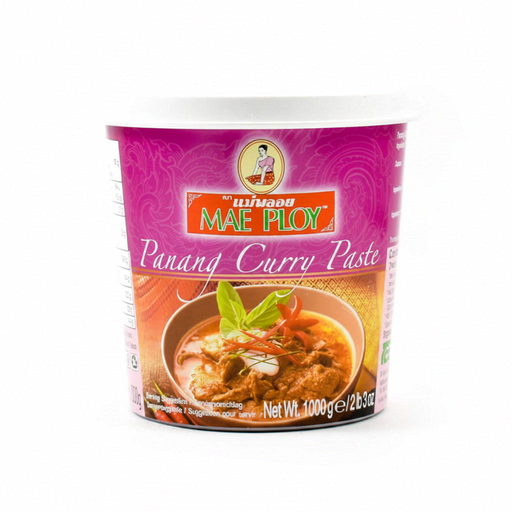
Why This Fits Their Persona: Perfect for the cook who wants to make an authentic, creamy Thai panang curry. Mae Ploy is known for its concentrated pastes that are widely used in Thai cuisine itself.
The ingredients list is led by dried red chillies (20.5%), lemongrass (20%), and shallots (16.5%). It also contains shrimp paste, which is essential for the deep umami flavour and avoids the "one-size-fits-all" pitfall.
Concentrated and complex flavour. You only need a small amount for a rich and fragrant dish. Free from artificial additives.
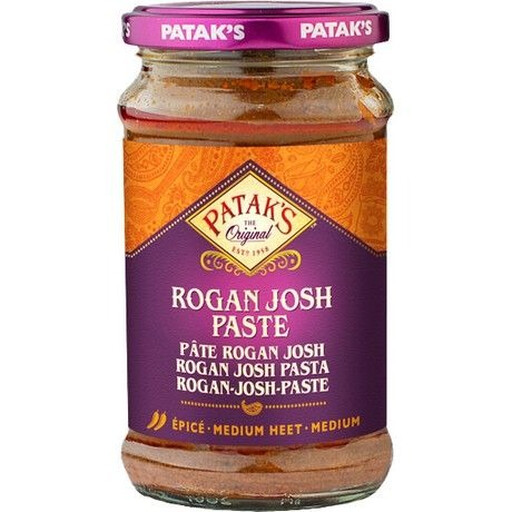
Why This Fits Their Persona: Specifically designed for fans of Indian cuisine who want to make a classic Rogan Josh. Patak's is an established brand that provides a reliable base for traditional Indian curries.
This is not a generic "curry," but a specific Indian curry paste. The ingredients, such as coriander, cumin, and chilli, are aimed at creating the deep, aromatic flavour characteristic of Rogan Josh.
Provides a consistent and flavourful base for a specific dish. You can adjust the heat and richness yourself by using more or less paste and adding extra ingredients.
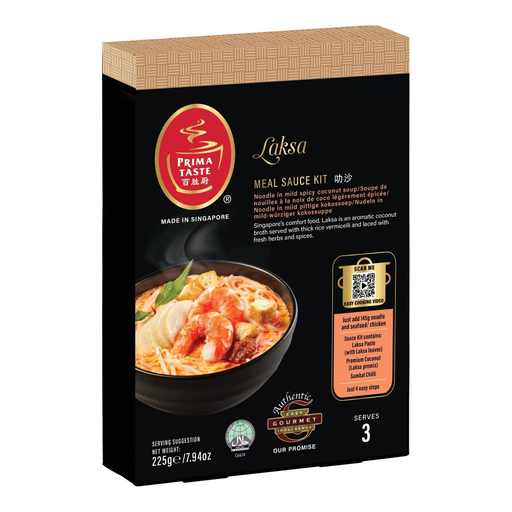
Why This Fits Their Persona: For the adventurous eater who wants to look beyond the standard curry and try an authentic Southeast Asian noodle soup. This pack contains both the laksa paste and the noodles.
This is a highly specific product for a single dish, thus avoiding the "one-size-fits-all" pitfall. The ingredients, such as galangal, dried shrimp, and laksa leaf, are authentic to this dish.
A complete kit for an authentic laksa experience. The combination of the paste, coconut milk premix, and lamian noodles creates a rich and layered flavour that is difficult to replicate from scratch.
The right base is half the battle. Whether you're looking for a quick meal or want to create an authentic dish, there's always a suitable option.
The main difference lies in the chillies used, which determines the colour and heat level.
Most oil- and salt-based curry pastes can be kept in the refrigerator for several weeks to months after opening. The layer of oil on top acts as a preservative. Always check the instructions on the packaging. A practical tip is to always use a clean spoon to prevent contamination and extend its shelf life.
In practice, the terms are often used interchangeably. Bumbu is the Indonesian term for a spice paste, which forms the base for many dishes. A Thai or Indian curry paste is functionally the same: a wet, concentrated mix of spices. Although the ingredients vary by region, both terms refer to a similar type of product.
