What should you consider when choosing?
Decide whether baking together or serving something quickly is your priority. Then check the Fairtrade claim and food information for the product you’ll actually be using.
| What to consider |
What to check when buying |
Who it matters to |
| Fairtrade claim |
Look for the claim on the packaging of the exact cocoa, chocolate or currant buns. Don’t assume that a claim for an added ingredient applies to the whole bun. |
I want to be able to identify which product carries the Fairtrade claim before I start baking. This proof matters most to around 42% of consumers. |
| Preparation time |
Choose between baking from scratch, which takes time for kneading, proving and cooling, and packaged currant buns that are ready to serve. |
If I’m short on time for a children’s or school event, I don’t want to have to make and prove dough first. Convenience comes first for around 33% of consumers. |
| Food information |
Read the allergen information. If you have questions about the type of salt used, check the label or ask the baker. Don’t let children taste raw dough when baking at home. |
When children with different dietary needs are eating together, I want to know what’s in the buns and how to handle the dough safely. This information is the top priority for around 25% of consumers. |
Joybuy products for baking at home
This cocoa product is suitable if you’re making currant buns at home and want to add cocoa. It is not a ready-made currant bun. Check the Fairtrade label and allergen information on the packaging of the variety you choose.
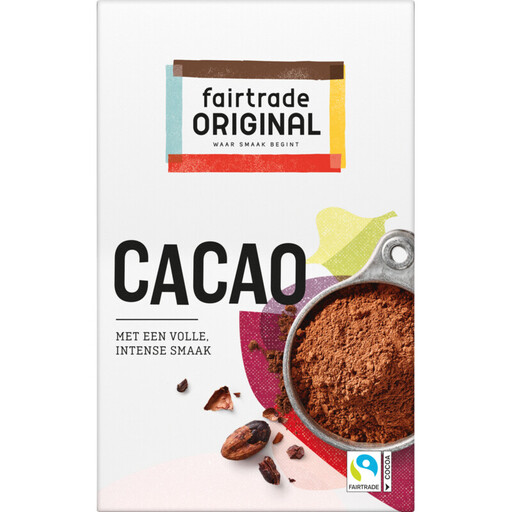 Image unavailable
Fairtrade cocoa powder, 125 g
For anyone who wants to bake a cocoa version at home and choose the cocoa ingredient separately. The product description identifies this cocoa powder as Fairtrade; that claim does not automatically apply to the baked currant buns. Check the claim and allergen information on the packaging before use.
View at Joybuy
Frequently asked questions
Does Fairtrade chocolate make the whole currant bun Fairtrade?
No. A Fairtrade claim for added chocolate or cocoa applies to that ingredient, not automatically to the dough or the baked currant bun. If you’re buying ready-made buns, check the claim on the packaging of that exact product.
What should I look out for if children with allergies are eating?
Read the ingredients and allergen information on the packaging of the currant buns you choose. Jumbo lists gluten, milk and wheat, among other things, for its Raisin Currant Buns. Don’t use this information as a substitute for checking the label of another product.
Can children taste raw currant bun dough?
Don’t let children taste raw dough. The Netherlands Nutrition Centre warns that raw dough can make you ill and that young children are particularly vulnerable. Wash your hands after handling raw egg and dough, and bake the buns before serving them.
Do currant buns always contain baker’s salt?
Don’t assume they do. According to the Netherlands Nutrition Centre, you can check the bread label to see whether baker’s salt has been used. Check the packaging for the specific currant buns or ask the baker which type of salt was used.


