What should you look for when choosing?
First decide whether you’re looking for a ready-made bun that clearly contains kernels, or would rather put together the filling yourself. Then compare the ingredients and nutritional information for the specific products you’re considering.
Muesli bun with kernels
When to choose it: You want a ready-made bun that explicitly lists kernels or seeds as ingredients.
What to consider: The varieties described by Albert Heijn and Jumbo contain allergens such as nuts, milk or gluten as well as kernels.
Standard currant bun
When to choose it: Currants and raisins are the filling you want, and you don’t need extra kernels.
What to consider: The standard currant bun described by PLUS doesn’t list any kernels or seeds as ingredients.
Homemade currant bun
When to choose it: You want to decide how much dried fruit and how many kernels go into the dough.
What to consider: In Allerhande’s version with seeds, the amount of fruit also changes. Allow time for kneading, proving and baking.
| What to consider |
What to check when buying |
Who it matters most to |
| Kernels and seeds |
Look for specific ingredients such as sunflower seeds or linseed; don’t rely on the name or picture alone. |
If I want a bun with kernels, I need to be able to see that they’re actually in the filling. For around 45% of consumers, this clearly listed addition is the top priority. |
| Flour and nutritional value |
Check which flour has been used and compare fibre, sugars and salt on the same basis, for example per 100 g. |
If you also want to assess what the bun is made of, comparable nutritional information is more useful than the product name. This is the top priority for around 33% of consumers. |
| Allergens and dietary requirements |
Check the current label for ingredients, possible traces and any gluten-free statement. |
If I have a relevant allergy, I need to know whether both the ingredients and any possible traces are suitable for me. This is the main priority for around 22% of consumers. |
Ingredients for homemade currant buns
These Joybuy products are loose kernels for anyone who wants to bake currant buns with seeds; they aren’t ready-made currant buns. Choose a recipe that balances the amount of dried fruit with the amount of kernels.
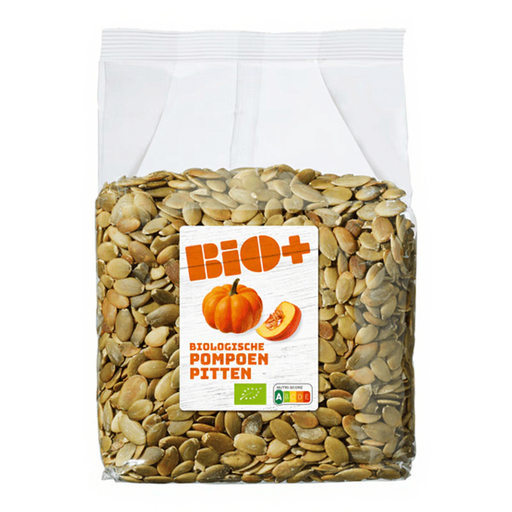 Image unavailable
Bio+ pumpkin seeds 500 g
Loose pumpkin seeds for anyone who wants to make their own currant bun filling; these aren’t ready-made buns.
500 g pack. Before use, check the packaging for guidance on preparing the seeds and any instructions for baking them into dough.
View at Joybuy
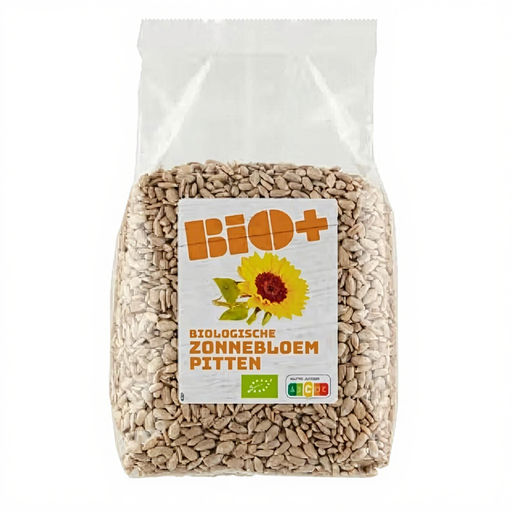 Image unavailable
Bio+ sunflower seeds 500 g
Loose sunflower seeds for anyone who wants to add kernels to their own currant bun dough; these aren’t ready-made buns.
500 g pack. Before use, check the packaging for guidance on preparing the seeds and any instructions for baking them into dough.
View at Joybuy
Frequently asked questions
Does a currant bun automatically contain kernels or seeds?
No. The standard currant bun described by PLUS lists currants and raisins, but no kernels or seeds in the ingredients. If you want them added, look for specific ingredients: the muesli buns described by Albert Heijn and Jumbo list sunflower seeds, and Albert Heijn also lists linseed.
How can I add kernels when baking currant buns at home?
Use a recipe that also adjusts the amount of dried fruit. For a version with seeds and kernels, Allerhande describes using 150 g of currants and raisins together with 50 g of seeds and kernels, added while kneading.
How can I tell which type of salt is in a muesli bun?
Read the ingredients list on the specific pack. The Albert Heijn mini muesli bun described lists ‘iodised salt’; Jumbo lists ‘baker’s salt’ in its muesli bun. Don’t try to work it out from the name of the bun alone.
Is a gluten-free muesli roll also nut-free?
Not necessarily: the gluten-free muesli rolls described by Albert Heijn contain hazelnuts and almonds. If you have an allergy, always check the ingredients and possible traces on the current packaging of the variety you choose.
Do I need to finish baking muesli buns before eating them?
It depends on the product. The gluten-free muesli rolls described by Albert Heijn are part-baked and, according to the product information, should be finished in an oven at 180 °C for 6–7 minutes. For other varieties, follow the baking instructions on the packaging.


