Choose a currant or raisin bun whose size, packaging and storage instructions suit your stall. If you’d also like to offer a distinct cocoa hit, choose the dark chocolate separately, based on its stated cocoa percentage; that percentage tells you nothing about the bun itself. If you open or combine products for sale without their original packaging, make sure customers can access allergen information for the finished product before buying.
Who is this choice relevant to?
Stall planner looking to offer a cocoa hit
Wants to be able to explain a separate chocolate option alongside plain currant buns. Albert Heijn, for example, states the cocoa percentage of its Delicata bar. That information relates to the chocolate, not to a currant bun.
Buyer planning stock levels
Compares the number of buns per bag and checks the storage instructions for the chosen variety. Jumbo lists packs of regular and mini raisin-and-currant buns; PLUS also gives freezing instructions for a specific eight-pack variety.
Seller of unpackaged or combined products
Removes buns from their packaging or adds chocolate. According to the Netherlands Food and Consumer Product Safety Authority, consumers must be able to get allergen information for non-prepacked foods.
What should you look for when buying?
First decide whether the chocolate will be served separately or become part of a new stall product. This determines what product information you need to keep for the finished item.
Currant bun with chocolate as a separate option
Choose this if: you want to offer customers a chocolate option with a stated cocoa percentage alongside a plain bun.
Bear in mind: as soon as you open or combine products for sale without their original packaging, the allergen information must reflect what you’re actually offering.
Currant buns in their original packaging
Choose this if: you mainly want to offer an additional bread product and will leave the packaging intact.
Bear in mind: a plain currant bun won’t automatically give you the chocolate hit you’re looking for.
| What to consider |
What to check when buying |
Who it matters to |
| Cocoa hit |
Check the cocoa percentage and ingredients of the specific chocolate. The percentage on a separate bar does not describe the currant bun. |
If I want to offer a clear chocolate option, I need to be able to say which chocolate I use. Around 40% of consumers put that cocoa hit first. |
| Packaging and storage |
Compare the size, number per bag, date and storage instructions for the variety you choose. For its specific eight-pack variety, PLUS says to freeze it on the day of purchase. |
When buying stock for a stall, I want to be able to plan portions and reserve supplies. Around 30% of consumers prioritise this when choosing stock. |
| Allergen information |
Check the labels on both the bun and the chocolate, and record what’s in the finished product if you combine them. |
When selling products individually, I want to be able to answer questions about allergens before someone buys. This is the top priority for around 30% of consumers. |
Common mistakes
-
Treating ‘dark’ as a standard type of currant bun
A cocoa percentage on separate chocolate doesn’t prove that a currant bun contains chocolate, or tell you what a combined stall product will taste like.
Choose the bun and chocolate as separate products, or ask for the label or product specification of a ready-made variety before finalising your menu description.
-
Using the same storage instructions for every bun
PLUS’s instruction to freeze its product on the day of purchase applies to its specific eight-pack variety. Other varieties may have different guidance.
When your stock arrives, check the date and storage instructions on every pack you’ve chosen, and plan stock levels for each variety.
-
Combining buns and chocolate without an allergen overview
According to the Netherlands Food and Consumer Product Safety Authority, allergen information for the product on offer must be available before purchase when it’s sold without its original packaging.
Keep the labels for all ingredients you use, keep the information for each finished product up to date, and make it clear at your stall where customers can find it.
-
Assuming every bun contains iodised baker’s salt
According to the Netherlands Nutrition Centre, bakers aren’t required to use baker’s salt. So you can’t tell which type of salt a particular bun contains from this alone.
Check the label or ask the supplier which type of salt is used before making any claims about it.
Brands to consider
Albert Heijn
Worth considering for currant and raisin buns alongside separately sold dark chocolate.
- Albert Heijn lists buns in packs of six and nine, as well as a Delicata bar with 85% cocoa.
- That cocoa percentage applies to the bar. Check the current labels if you’re offering the products together.
Jumbo
Worth considering for regular and mini raisin-and-currant buns.
- Jumbo lists a regular six-pack and a mini wholemeal variety in a pack of nine.
- The size and type of bread vary, so check which variety suits the portion you want to serve.
PLUS
Worth considering for currant buns in different bag sizes.
- PLUS lists six-packs and a specific longer-lasting variety in an eight-pack.
- The instructions to store the eight-pack in a cool, dry place and freeze it on the day of purchase apply to that variety. Check the label on the bag you buy.
ALDI
Worth considering for raisin-and-currant buns and larger raisin buns.
- ALDI lists raisin-and-currant buns in packs of six and giant raisin buns in packs of four.
- A giant raisin bun isn’t the same variety as a raisin-and-currant bun, so check the label if the ingredients matter.
Lidl
Worth considering for currant buns and mini raisin-and-currant buns.
- Lidl lists both product types separately.
- When buying, check the size, ingredients and allergens on the pack you choose.
Dark chocolate as a separate component
These Joybuy products are chocolate bars you could consider serving separately alongside currant buns. They aren’t currant buns: choose the bun, portion and any preparation method separately, and check the information for the final product you’re offering.
 Image unavailable
Lindt Excellence 85% Cocoa Dark Chocolate, 100 g
A separate chocolate option if you want to offer a stated cocoa percentage alongside currant buns.
100 g bar with 85% cocoa according to the product name. Before combining it with a bun, check the current ingredients and allergen information for both products.
View at Joybuy
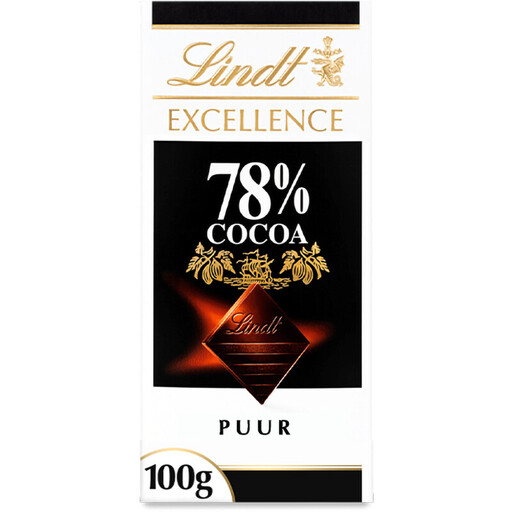 Image unavailable
Lindt Excellence 78% Cocoa, 100 g
A separate chocolate option if the stated cocoa percentage is a factor in your buying decision.
100 g bar with 78% cocoa according to the product name. If you’re creating a combined stall product, record the ingredients you use and check the current allergen information.
View at Joybuy
Frequently asked questions
How can I identify a currant bun with a verifiably high cocoa content?
Check whether the bun’s own label lists chocolate and a cocoa percentage. A percentage on a separate bar describes only that chocolate; don’t present a combination you’ve put together yourself as a ready-made chocolate currant bun.
Can I freeze currant buns for my stall?
Follow the instructions for the variety you’ve bought. For its specific eight-pack variety, PLUS says to freeze it on the day of purchase and use it within one month. Don’t apply those time limits to other buns without checking their labels.
What allergen information do I need when selling products individually?
According to the Netherlands Food and Consumer Product Safety Authority, customers must be able to get information about allergens in the product on offer before buying when it’s sold without its original packaging. If you combine a bun and chocolate, use the current information for both ingredients and make it clear at your stall where customers can find it.
Are currant buns legally required to contain iodised baker’s salt?
No, there’s no general legal requirement: the Netherlands Nutrition Centre says bakers aren’t required to use baker’s salt. To find out which type of salt a particular currant bun contains, check the label or ask the supplier.


