Choose a currant bun for your work-from-home lunch based on the bread, ingredients and allergens that matter to you. If Fairtrade cocoa is a priority, check for the label on a separate chocolate or cocoa product: according to the ingredient lists from Jumbo and PLUS, the currant buns they examined contain no cocoa. If fibre comes first, compare the bun with wholemeal or brown bread, as the Netherlands Nutrition Centre advises when choosing between white and other types of bread.
Who are these choices relevant to?
If Fairtrade cocoa matters to you
You want to choose chocolate or cocoa for your lunch based on the label on that product, without assuming the same applies to the currant bun. PLUS describes the cocoa in its own-brand products as Fairtrade; Albert Heijn says its own-brand cocoa is certified by Fairtrade or Rainforest Alliance.
If you keep an eye on fibre
You’re comparing the currant bun with another type of bread for your lunch. The Netherlands Nutrition Centre advises replacing white bread with wholemeal or brown bread where possible. Check the fibre content of the specific product on the label.
If you check ingredients and allergens
You want to know what’s in the bun and which warnings about the possible presence of allergens apply before you eat it. The currant buns examined from Jumbo and PLUS list wheat and milk; always check the up-to-date packaging for the product you’re buying.
What should you look for when choosing?
First decide what matters most for your work-from-home lunch: Fairtrade cocoa, the type of bread or checking the ingredients. A currant bun and the chocolate or cocoa product you choose to have with it each need their own label check.
| What to look for |
What to check when buying |
Who is this important to? |
| Fairtrade cocoa |
Check for the Fairtrade label on the chocolate or cocoa product itself; don’t assume it applies to the currant bun. |
If I want chocolate with my currant bun, the cocoa itself needs to meet my Fairtrade preference. This is the top priority for around 40% of consumers. |
| Type of bread and fibre |
Check whether the bread is wholemeal or brown, and compare the fibre per 100 g or per portion. |
I mainly want to choose a type of bread for my lunch that suits my focus on fibre, even if that means not choosing a standard currant bun. This matters most to roughly 30% of consumers. |
| Ingredients and labelling |
Read the latest allergen information and, if relevant, check whether baker’s salt is listed among the ingredients. |
If I need to avoid certain ingredients, I want to be able to check the packaging before eating the bun. For around 30% of consumers, checking the label is the top priority. |
Common mistakes
-
Assuming Fairtrade cocoa means a Fairtrade currant bun
The published ingredient lists for the Jumbo and PLUS currant buns examined don’t mention cocoa. So, a retailer’s statement about its cocoa tells you nothing about whether that bun is certified.
Assess the currant bun as a bread product, and check separately for a Fairtrade label on the chocolate or cocoa you choose to have with it.
-
Assuming currants and raisins make the bread wholemeal
Fruit in a white currant bun doesn’t make the bread wholemeal. The Netherlands Nutrition Centre gives an average of 2 g of fibre for a 50 g currant bun and advises replacing white bread with wholemeal or brown bread where possible.
Compare the type of bread and fibre listed for the products you’re actually considering, using the same serving size.
-
Assuming every currant bun contains baker’s salt
According to the Netherlands Nutrition Centre, not every baker is required to use baker’s salt. Its presence in the products examined from Jumbo and PLUS doesn’t automatically mean it’s used in other currant buns.
Look for baker’s salt in the ingredients list, or ask which salt has been used if you’re buying an unwrapped product.
-
Relying only on the website for allergen information
Ingredients and warnings can vary from product to product. Lidl Netherlands directs customers to the packaging for the ingredients, allergens and nutritional information of its food products.
Before eating the product, read the current packaging for the exact item. If in doubt, ask the shop or manufacturer for clarification.
Brands to consider
PLUS
Worth considering if you want to pair a currant bun with a separate own-brand cocoa product.
- PLUS says the cocoa in its own-brand products is Fairtrade certified.
- The ingredients list for PLUS Currant Buns doesn’t mention cocoa, so the statement about its cocoa doesn’t make these buns Fairtrade products. The product lists wheat, rye, milk and lactose, among other ingredients.
Albert Heijn
Worth considering if you want to assess chocolate or cocoa separately from the currant bun.
- Albert Heijn says the cocoa in its own-brand products is certified by Rainforest Alliance or Fairtrade.
- This doesn’t confirm that a specific AH currant bun contains cocoa or is Fairtrade certified. Check the label on the cocoa product you choose.
Jumbo
Worth considering if you want to compare the ingredients of a currant bun with a separate cocoa option.
- Jumbo lists raisins, currants and baker’s salt in its Raisin Currant Buns; its Fairtrade range also includes separate cocoa products.
- The published ingredients for these currant buns don’t mention cocoa. Check the packaging for wheat, milk and warnings about the possible presence of other allergens.
Chocolate and cocoa as a separate addition
These Joybuy products are chocolate and cocoa options to have alongside your work-from-home lunch, not currant buns. Choose the bun itself based on the type of bread and its ingredients; for a separate addition, check the packaging for the Fairtrade label and allergen information.
 No image available
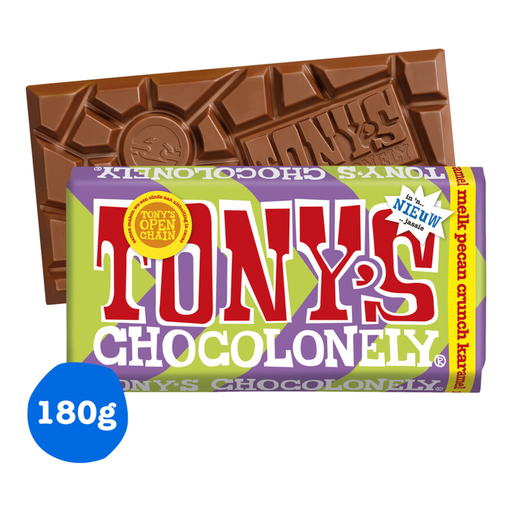
Tony's Chocolonely Milk Pecan Caramel, 180 g
A separate chocolate option for lunch, not the currant bun itself. The product description mentions Fairtrade; check the label and allergen information on the current packaging.
View at Joybuy
 No image available
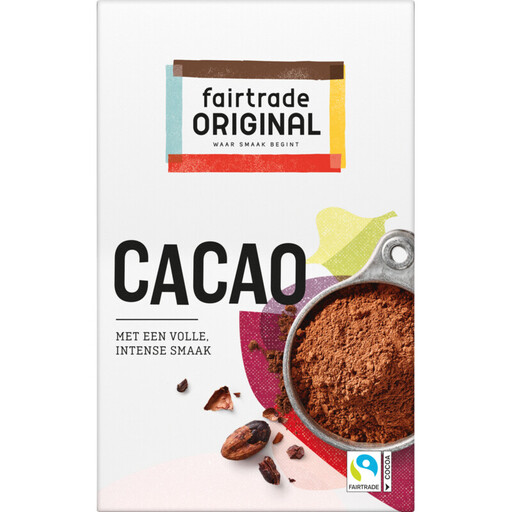
Fairtrade cocoa powder, 125 g
A separate cocoa option for anyone who looks for the Fairtrade label at lunchtime, even when working from home. This powder isn’t a currant bun or a ready-to-eat spread. Check the current packaging before use.
View at Joybuy
Frequently asked questions
Is a standard currant bun a Fairtrade chocolate product?
You can’t tell from the currant bun alone: the published ingredient lists for the Jumbo and PLUS currant buns examined don’t mention cocoa. If you want Fairtrade chocolate or cocoa with your lunch, check the label on that separate product.
Does every currant bun contain baker’s salt?
No, don’t assume that it does. According to the Netherlands Nutrition Centre, bakers aren’t required to use baker’s salt; the Jumbo and PLUS currant buns examined do list it. Check the ingredients for the bun you choose.
Which allergens should I check in a currant bun?
Check the latest ingredients list and all allergen warnings for the exact product. The Jumbo and PLUS currant buns examined list wheat and milk; other ingredients and warnings vary by product.
Can I freeze currant buns for work-from-home days?
For the PLUS Currant Buns examined, PLUS says you can freeze them at home on the day of purchase and use them within one month. For other products, follow the instructions on the packaging.
How do I compare the fibre in a currant bun with wholemeal bread?
Compare the fibre listed per 100 g or per portion, and check that the bread is actually wholemeal. The Netherlands Nutrition Centre gives an average of 2 g of fibre for a 50 g currant bun and advises replacing white bread with wholemeal or brown bread where possible.


