Who is this choice relevant to?

Hosts who want to serve Fairtrade chocolate

You want to be able to check the Fairtrade label on the chocolate, without assuming it applies to the currant buns too. PLUS describes the cocoa in its own-brand products containing cocoa as Fairtrade; Lidl makes a Fairtrade claim for its Way To Go chocolate bars.

Shoppers comparing wholemeal options and fibre

You’re looking for a sweet bun to serve at a get-together and comparing wholemeal labels and fibre content per 100 g. Product information from Albert Heijn, Jumbo and PLUS can help you do this.

Shoppers who plan ahead for allergens and storage

You check the ingredients on the bag you’ve chosen before serving your guests. If you’re doing your shopping in advance, you’ll also want to check the storage instructions and whether that product can be frozen.

What should you look for when choosing?

First decide whether Fairtrade chocolate is a must for your sharing platter or whether you’re mainly looking for suitable currant buns. Then compare the information on the specific packaging: a claim about the chocolate doesn’t automatically apply to the buns.

What to consider What should you check? Who is this important to?
Fairtrade chocolate Check the Fairtrade label on the specific chocolate bar, and keep it separate from any claims about the currant buns. If I want Fairtrade chocolate on my sharing platter, it needs to be clear which product the label refers to. For around 40% of shoppers making this choice, being able to verify this comes first.
Wholemeal and fibre Check the product description and compare fibre per 100 g, not just per bun. I want to serve a sweet bun, but the ingredients matter more to me than its size. This is the top priority for around 30% of shoppers.
Portions and serving Compare the number of buns, the weight and the size of the pack you’ve chosen. When I’m putting together a platter for guests, I want to know how many buns I can put out or share around. Around 20% of shoppers prioritise this practical consideration.
Allergens and storage Read the allergen information and storage or freezing instructions on the current packaging. If I need to consider allergens or I’m shopping well ahead of the get-together, I want to be able to plan before serving. This is the first consideration for around 10% of shoppers.

Common mistakes

  • Assuming a retailer’s Fairtrade claim applies to its currant buns

    PLUS and Lidl describe Fairtrade cocoa or Fairtrade chocolate in other product ranges. That alone says nothing about the certification of a specific bag of currant buns.

    Check the packaging for the buns and the chocolate separately. Only describe a product as Fairtrade if its label confirms this.

  • Assuming all baker’s salt is iodised

    The Netherlands Food and Consumer Product Safety Authority explains the conditions under which iodine may be present in bakery products through baker’s salt. According to the bakery industry platform Brood.net, the use of baker’s salt containing iodine is encouraged through an agreement, but it is not a legal requirement.

    If iodine is relevant to your choice, check the ingredients list on the buns you buy for a statement such as ‘iodised salt’. Don’t infer the ingredients from the words ‘baker’s salt’ alone.

  • Treating wholemeal and regular currant buns as the same product

    Albert Heijn lists 6.1 g of fibre per 100 g for its wholemeal raisin and currant buns. Jumbo and PLUS list 2.8 g and 3.3 g per 100 g respectively for their regular varieties. These figures apply to specific products, not every bun sold by those retailers.

    Compare the nutritional information per 100 g, and also consider how many buns you want to serve at your get-together.

  • Guessing the allergens from the name ‘currant bun’

    The product information reviewed from Jumbo and PLUS lists wheat and milk. Information about the possible presence of other allergens can also vary by product.

    Before serving, read the packaging for the exact bag you’ve bought. When setting everything out, take account of the allergens in both the buns and the separate chocolate.

Brands and retailers to consider

Albert Heijn

The product information for AH Extra lang lekker raisin and currant buns describes a wholemeal variety.

  • Albert Heijn lists 6.1 g of fibre per 100 g, iodised salt and the option to freeze this product.
  • This product information doesn’t confirm Fairtrade status for the buns. Check the allergens listed on the current packaging too.

Jumbo

Jumbo lists a pack of six regular raisin and currant buns.

  • The product information lists 29.6% raisins, 6.1% currants and 2.8 g of fibre per 100 g.
  • Check the allergens on the packaging; this product information doesn’t indicate that the buns are Fairtrade.

PLUS

PLUS lists currant buns and also describes a separate policy for cocoa in its own-brand products.

  • The product information for the currant buns lists ingredients, allergens and nutritional values. PLUS says its own-brand products containing cocoa use Fairtrade cocoa.
  • This statement about cocoa products doesn’t confirm Fairtrade status for PLUS currant buns. Check any chocolate you choose separately.

Lidl

Lidl lists currant buns in packs of six and also has a separate Way To Go chocolate range.

  • Lidl says its Way To Go chocolate bars are fully Fairtrade certified.
  • That claim doesn’t automatically apply to the currant buns. Check the current ingredients and allergen information on the bag you choose.

Chocolate to serve with currant buns

This chocolate bar is a separate option to serve at your get-together, not a currant bun. Check the Fairtrade label on the current packaging before choosing it to serve alongside the buns.
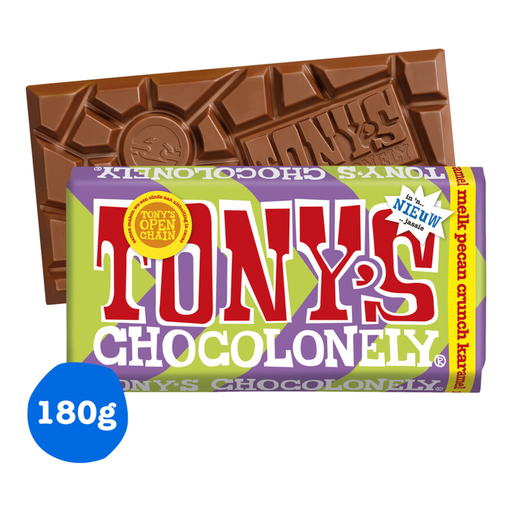
Tony's Chocolonely Milk Pecan Caramel chocolate bar, 180 g

Tony's Chocolonely Milk Pecan Caramel, 180 g

A chocolate bar to serve separately alongside currant buns; it doesn’t give the buns Fairtrade status.

The bar weighs 180 g. Before serving, check the packaging for the Fairtrade label and information about pecans, milk, soya and cereals containing gluten.

View at Joybuy

Frequently asked questions

Are currant buns Fairtrade if the supermarket sells Fairtrade products?

No. A supermarket’s product range doesn’t confirm the status of a specific currant bun. Check the label on the bag you’ve chosen; don’t infer it from separate chocolate products sold by the same retailer.

Can I serve Fairtrade chocolate with currant buns?

Yes, just treat the chocolate as a separate product. PLUS says it uses Fairtrade cocoa in its own-brand products containing cocoa, while Lidl describes its Way To Go bars as fully Fairtrade certified. Check the current label and allergen information on the bar you choose.

Is iodised baker’s salt required in every currant bun?

No, don’t assume every bun has the same ingredients. The Netherlands Food and Consumer Product Safety Authority explains that iodine may be added to bakery products through baker’s salt, up to a maximum of 65 mg of iodine per kg of salt. According to Brood.net, using baker’s salt containing iodine is not a legal requirement, so check the ingredients list for the product you choose.

Which allergens should I check when serving currant buns at a get-together?

Check the current packaging for allergens present and any statements about possible traces. The product information reviewed from Jumbo and PLUS lists wheat and milk for the currant buns; also check the allergens in any chocolate you serve alongside them.

Can I freeze currant buns in advance?

You can if the storage instructions for the product you’ve chosen allow it. Albert Heijn and PLUS say their listed products can be frozen on the day of purchase and used within a month; follow the instructions on the packaging of your bag.
