Brands with relevant product information
These examples cover ordinary currant buns and related varieties; they do not show that any of these brands offers a currant bun with dark chocolate.
Albert Heijn
Albert Heijn describes a pack of six ordinary raisin and currant buns. The supermarket also sells separate bars of dark chocolate, which are a different type of product.
- The product information for the ordinary currant buns lists the ingredients and allergens, gives a portion size and says they can be frozen on the day of purchase.
- The ingredients list for these currant buns does not mention cocoa or chocolate.
Jumbo
Jumbo describes a pack of six white wheat, raisin and currant buns.
- According to Jumbo, this version contains 29.6% raisins and 6.1% currants; the product page also provides nutritional and allergen information.
- The ingredients list for this version does not mention cocoa or chocolate.
PLUS
PLUS lists, among other things, ordinary currant buns in packs of six and a longer-life version in a pack of eight.
- According to PLUS, the eight-pack can be frozen on the day of purchase and should be used within one month.
- The ingredients lists for the ordinary currant buns reviewed do not mention cocoa or chocolate; check the allergens on each pack.
ALDI
ALDI describes packs of six raisin and currant buns, as well as separate packs of four giant raisin buns.
- The number of buns and the difference between the types described can help you choose a pack.
- If you’re specifically looking for cocoa or dark chocolate, check the label on the version you choose.
Lidl
Lidl describes a pack of six currant buns, available in store.
- The product description makes it clear that these are buns containing currants.
- Check the label in store if chocolate flavour, ingredients or allergens are important to your choice.
Separate dark chocolate to have with a currant bun
These Joybuy products are separate bars of dark chocolate for anyone who wants to choose a chocolate flavour to have with an ordinary currant bun. They are not chocolate currant buns; check the portion size and label for each product separately.
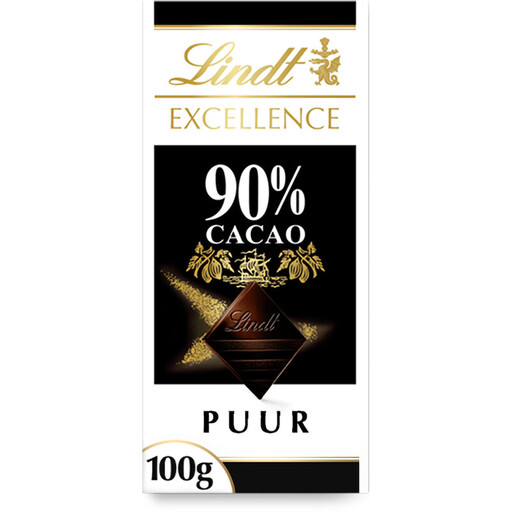 Image unavailable
Lindt Excellence 90% Cocoa Supreme Dark, 100 g
For anyone who wants to choose dark chocolate separately to have with an ordinary currant bun.
100 g bar with 90% cocoa, according to the product name. Check the ingredients and allergens on the packaging before serving it with both products.
View at Joybuy
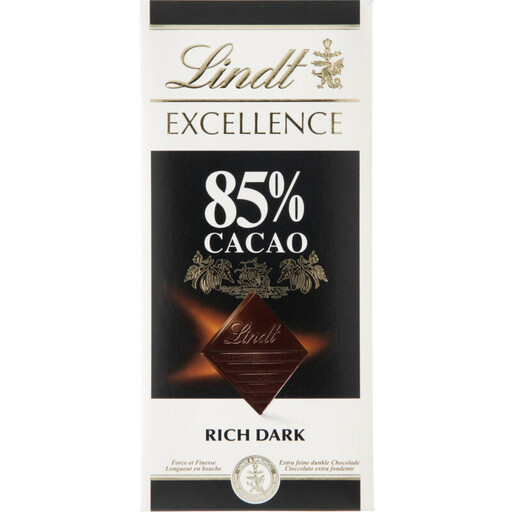 Image unavailable
Lindt Excellence 85% Cocoa Dark Chocolate, 100 g
For anyone who wants to choose the chocolate flavour separately from their chosen currant bun.
100 g bar with 85% cocoa, according to the product name. Check the current packaging for portion and allergen information.
View at Joybuy
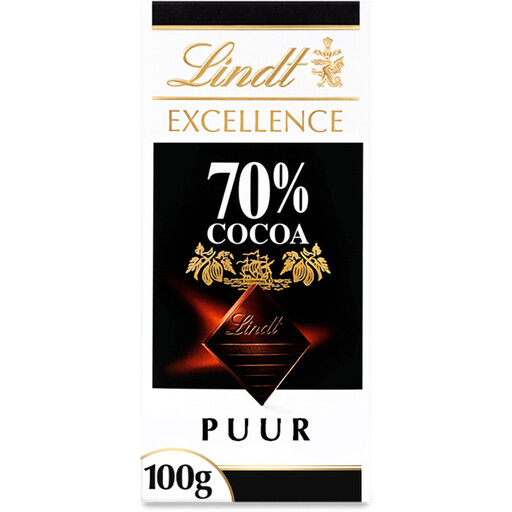 Image unavailable
Lindt Excellence 70% Cocoa Dark Chocolate, 100 g
For anyone who wants to choose a separate bar of dark chocolate to have with an ordinary currant bun.
100 g bar with 70% cocoa, according to the product name. If you have allergies, check the information on the packaging before choosing this bar.
View at Joybuy
Frequently asked questions
Do the currant buns reviewed contain dark chocolate?
The ingredients lists for the ordinary currant buns reviewed from Albert Heijn, Jumbo and PLUS do not mention cocoa or chocolate. ALDI and Lidl also describe ordinary raisin or currant buns; check the current ingredients list for any other version before assuming it has a chocolate flavour.
Is a currant bun an everyday snack?
For children aged 4 to 12, the Netherlands Nutrition Centre categorises currant buns among the products it recommends not giving too often. It lists fruit and wholemeal bread, among other things, as everyday options, so consider where the currant bun fits among the other snacks.
Which allergens should I check in currant buns?
Read the allergen information on the pack you choose: the versions reviewed from Albert Heijn, Jumbo and PLUS list wheat and milk, while warnings about possible traces vary. According to the Netherlands Food and Consumer Product Safety Authority, the 14 legally required allergens must be clearly listed on the label.
Does every baker use iodised baker’s salt?
No. According to the Netherlands Nutrition Centre, bakers are not required to use baker’s salt. For packaged currant buns, look for ‘baker’s salt’ or ‘iodised salt’ in the ingredients list; for unwrapped buns, ask which salt was used.
Can you freeze currant buns for later?
You can freeze versions whose packaging says they are suitable for freezing. Albert Heijn says its ordinary raisin and currant buns can be frozen on the day of purchase; PLUS says the same for its longer-life eight-pack, which should be used within one month. Always follow the instructions on the pack you choose.


