
Fans of a bold cocoa flavour
If you want to choose dark chocolate for your guests, check the stated cocoa percentage rather than relying on words such as ‘dark’ or ‘extra dark’.


For a garden party, pair a plain currant bun with a separate bar of dark chocolate that clearly states its cocoa percentage. This lets you choose the chocolate based on its cocoa content without presenting the bun itself as a chocolate product. Then choose a suitable bun size and check the ingredients and allergen information for both products.
If you want to choose dark chocolate for your guests, check the stated cocoa percentage rather than relying on words such as ‘dark’ or ‘extra dark’.
For a garden party, consider how many portions you can serve and whether you can store or freeze the currant buns in advance, following the instructions on the packaging.
If your guests need to check allergens or the type of bread, look at both the bun and the chocolate. The product information for the currant buns discussed here lists wheat and milk, among other ingredients; always follow the information on the current packaging.
First, decide how important a clearly stated cocoa flavour is to you. Then choose the right bun size for your guests and read the labels on both the buns and the chocolate before serving.
| What to consider | What to check when buying | Who it matters to |
|---|---|---|
| Rich cocoa flavour | Read the cocoa percentage on the chocolate bar and check whether chocolate is actually in or on the bun, or served separately. | I want to choose a recognisable dark chocolate element for my guests, rather than relying on the word ‘dark’. For around 40% of consumers, a clearly stated cocoa flavour comes first. |
| Portions and storage | Decide whether whole, halved or mini buns will work best; if buying in advance, follow the storage and freezing instructions on the packaging you choose. | If I’m serving several guests, I want to be able to divide the portions and store the buns appropriately. Portion size and party planning are top priorities for roughly 30% of consumers. |
| Ingredients and type of bread | Check the allergens in both products and see whether the bun is a white or wholemeal variety. | I want to know what’s in both the bun and the chocolate before serving, so guests can check the labels for themselves. For an estimated 30% of consumers, checking the ingredients is the top priority. |
The Netherlands Nutrition Centre notes that words such as ‘bitter’ and ‘extra bitter’ do not, on their own, indicate a set cocoa percentage. So the description alone won’t tell you what percentage you’re serving.
If the cocoa percentage is important to your choice, compare the figures stated on the chocolate packaging.
The raisin currant buns described by Jumbo and PLUS do not list chocolate among their ingredients. Serving a piece of dark chocolate alongside a bun does not make the bun itself a chocolate product.
Read the ingredients list for the bun you choose, and present the bun and chocolate as two separate products when serving them together.
Adding separate chocolate also takes time to prepare and serve the portions.
The bun and the chocolate bar may have different ingredients and allergen information. According to the Netherlands Food and Consumer Product Safety Authority, allergens in prepacked foods are clearly listed in the ingredients list.
Check both packs just before serving and keep them available for guests who want to read the information.
Albert Heijn lists iodised salt in its Extra lang lekker raisin currant buns. That is a feature of this variety, not necessarily of every currant bun.
If you want to check another bun, read the ingredients list on that specific pack.
Albert Heijn describes both wholemeal raisin currant buns and a Delicata bar with 70% cocoa solids: two separate products to consider for this way of serving.
Jumbo describes a pack of plain raisin currant buns and separately lists dark chocolate bars with stated cocoa percentages.
PLUS describes regular, mini and giant currant and raisin buns, so you can choose a size to suit the way you want to serve them.
These Joybuy products are chocolate bars to pair with separately chosen currant buns. They are not currant buns themselves, so remember to decide which buns and portions you want to serve at your party.
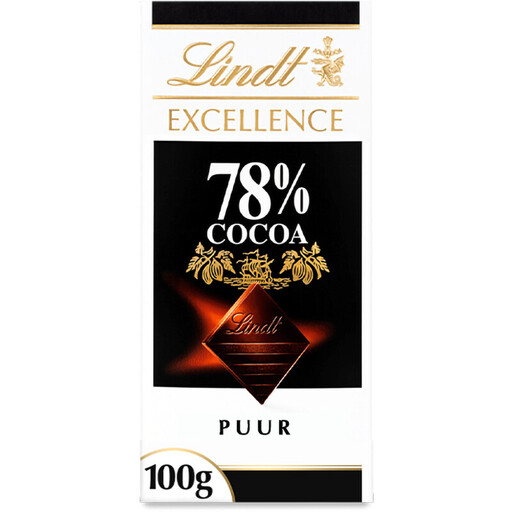 Image unavailable
A bar with a stated cocoa percentage for anyone who wants to serve chocolate separately with currant buns. Before serving, check the allergen information on the packaging for both the bar and the buns.
 Image unavailable
A separate chocolate bar with a stated cocoa percentage to pair with currant buns. As with any combination, check the ingredients and allergens on both packs.
No. If you want a specific percentage, check the packaging rather than relying on the words ‘extra dark’. The Netherlands Nutrition Centre notes that ‘bitter’ and ‘extra bitter’ do not indicate a set cocoa percentage.
The currant buns from Albert Heijn, Jumbo and PLUS discussed here list wheat and milk, so don’t assume they’re suitable for guests who need to avoid these ingredients. Check the current packaging for both the bun you choose and the chocolate for ingredients, allergens and any warnings.
Yes, as long as you follow the storage or freezing instructions on the packaging you choose. PLUS says to freeze its regular currant buns on the day of purchase and use them within one month; for other varieties, check the packaging.
Don’t assume they do. Albert Heijn lists iodised salt in its Extra lang lekker raisin currant buns, but that tells you nothing about the ingredients in another variety. Read the label on the bun you plan to buy.