
Parents who want to bake or add toppings together
You want children to help make homemade currant buns, or you’re looking for shop-bought buns to add toppings to together. The size and number of buns should suit the occasion.


For baking or eating together with children, a standard or mini currant bun is a practical choice when size is the main consideration. If you want a wholemeal base, choose a bun labelled wholemeal and compare the fibre per 100 g. If by ‘dark’ you mean dark chocolate, treat it as a separate addition rather than a type of currant bun. Check the allergens too, and consider portion size and caffeine from other sources when serving children.
You want children to help make homemade currant buns, or you’re looking for shop-bought buns to add toppings to together. The size and number of buns should suit the occasion.
You don’t want to judge the grain base by its colour. Instead, look for the wholemeal label and compare fibre on a like-for-like basis, such as per 100 g.
By ‘dark’, you may mean a dark chocolate flavour. In that case, you can choose the chocolate separately and assess its ingredients and the amount used on their own.
First, decide what size currant bun is right for what you’re making or eating together. Then consider the wholemeal base and any chocolate as separate choices. For every option, check the current label for ingredients and allergens.
| What to consider | What to check when buying | Who it matters to |
|---|---|---|
| Size and quantity | Compare mini, standard and larger buns, as well as the number in each pack. For example, PLUS lists nine buns in its mini pack. | When children help or eat with us, I want to choose a size that suits the occasion. For around 33% of consumers, this practical choice of portion size would come first. |
| Wholemeal and fibre | Look for the wholemeal label on the pack and compare fibre per 100 g; don’t judge by colour alone. | I want to know what grain base the currant bun has, rather than relying on its appearance. This would be the main consideration for around 25% of consumers. |
| Dark chocolate | Choose chocolate separately if you want to add it; check the cocoa content, ingredients and amount used. | For our baking session, I’m looking for a dark chocolate flavour that I can add myself. This preference for a particular flavour would come first for around 25% of consumers. |
| Label and salt | Read the allergen declaration and any ‘may contain’ warning. Check the type of salt if iodine is relevant to your choice. | Before choosing, I need to know which ingredients and allergens the bun contains, and what type of salt has been used. For around 17% of consumers, checking the label would be their main concern. |
A brown colour or lots of raisins won’t tell you what type of flour has been used. Voedingscentrum describes wholemeal bread as bread made from 100% wholemeal flour.
Check whether the pack says wholemeal and, if fibre matters to you, compare the nutritional values per 100 g.
The term alone doesn’t tell you whether a product contains cocoa or chocolate. Nor can you tell the cocoa content or allergens from the name.
If you mean dark chocolate, choose it as a separate ingredient and read its own label before adding it to a currant bun.
The currant buns described by Jumbo and PLUS list wheat and milk. Warnings about the possible presence of other allergens vary by product.
Every time you buy, check the current ingredients list, allergen declaration and ‘may contain’ warning on the pack you choose.
According to Voedingscentrum, using baker’s salt in bread is not compulsory. So you can’t tell what type of salt has been used simply from the fact that a product is a bread roll.
If iodine is a consideration for you, check the label for baker’s salt or iodised salt, or ask the baker which type of salt was used.
Albert Heijn has a recipe for homemade currant buns and also describes a wholemeal raisin and currant bun.
The Jumbo option described is a white wheat, raisin and currant bun, sold in packs of six.
PLUS describes mini and standard currant and raisin buns, among other options. Size matters if you want to plan portions.
Lidl describes a pack of six soft currant buns.
ALDI describes its pack of six raisin and currant buns as soft wheat buns with raisins and currants.
These Joybuy products are bars of dark chocolate, not currant buns. They’re only relevant if you want to use ‘dark’ as a separate chocolate addition; choose the currant bun itself based on factors such as size and its label.
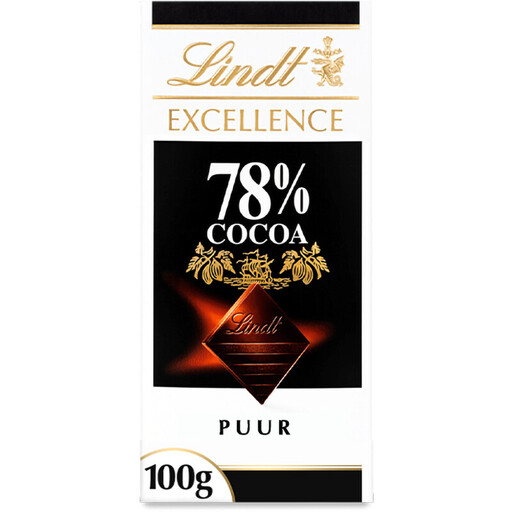 Image unavailable
A separate chocolate option if you want to add dark chocolate to a currant bun; this bar is not a currant bun itself.
Check the label for allergens before use and decide how much chocolate to add. Cocoa contains caffeine.
 Image unavailable
For anyone who wants to choose dark chocolate separately to add to a currant bun, rather than treating the chocolate as a type of currant bun.
Read the current chocolate label for ingredients and allergens. When serving it to children, also consider the amount of chocolate and caffeine from other sources.
 Image unavailable
A bar to consider separately if you want to add a dark chocolate flavour to a currant bun.
Compare the cocoa content with other bars, but don’t use this to decide whether it’s suitable for children. Check the ingredients, allergens and amount used separately.
 Image unavailable
Only relevant if you’re looking for a separate dark chocolate with this cocoa content to have alongside a currant bun.
The cocoa content doesn’t tell you how much caffeine is in a serving. Check the label for ingredients and allergens, and consider a child’s total caffeine intake.
Check whether the pack says wholemeal; a dark colour isn’t enough. Voedingscentrum describes wholemeal bread as bread made from 100% wholemeal flour. If you also want to compare the fibre, use the value per 100 g for both products.
You can add dark chocolate as a separate flavour accent, but assess the bar you choose and the amount used separately. Voedingscentrum points out that chocolate contains saturated fat and calories, and cocoa contains caffeine, so take other sources of caffeine into account too.
No. According to Voedingscentrum, baker’s salt is not compulsory when baking bread. If the type of salt matters to your choice, check the label on shop-bought buns or ask the baker which type of salt was used.
That depends on the instructions for the bun you choose. PLUS says that its standard currant bun can be frozen at home on the day of purchase and should be used within one month; follow the current instructions on the pack.
Always read the allergen declaration on the pack you choose. The products described by Jumbo and PLUS list wheat and milk; warnings about the possible presence of allergens such as nuts, egg, soya or sesame can vary by product.