What should you look for when choosing?
Start by deciding whether you want a soft roll or a crisp cracker. For currant buns and muesli buns, compare the grain base and nutritional information, and check the allergen information for products containing nuts or seeds.
| What to consider |
What to check |
Who is it for? |
| Fibre and grain base |
Check which flour is used and compare fibre per 100 g. Also check the weight of each bun. |
If you’re looking for a higher-fibre roll for lunch, you’ll want to know whether it has a wholegrain base and how large the portion is. Around 42% of consumers would put fibre and wholegrains at the top of their list. |
| Seeds and allergens |
Read the ingredients and the ‘contains’ and ‘may contain’ statements, particularly for nuts, sesame, milk and gluten. |
When choosing a lunch with nuts or seeds, you’ll want to pick the texture you prefer without overlooking important allergen information. Around 33% of consumers would make this their main consideration. |
| Taste and portion size |
Compare the type of bun, the weight of each one and the storage advice on the packaging. |
If you mainly want the familiar soft currant bun, its size and suitability for your lunch matter. For around 25% of consumers, taste and everyday convenience would be the first things to consider. |
Brands and ranges compared
These examples show the types of products you can compare. The features listed apply to the products described, not to every bun or cracker from each brand.
Albert Heijn
Albert Heijn sells both standard raisin currant buns and wholemeal super muesli buns.
- The super muesli buns described contain wholemeal wheat flour and sunflower seeds; Albert Heijn lists 6.1 g of fibre per 100 g.
- These muesli buns contain hazelnuts and may also contain sesame and soya. Check the packaging for the latest information.
Jumbo
At Jumbo, you can compare the white raisin currant buns described with wholemeal muesli buns containing nuts and seeds.
- Jumbo lists 6.5 g of fibre per 100 g for its muesli buns and 2.8 g per 100 g for the standard currant buns reviewed.
- The muesli buns contain almonds, hazelnuts, milk and gluten, among other ingredients; also check for warnings about possible traces.
PLUS
PLUS sells standard currant buns and muesli and nut buns, so you can compare a white bun with a version made with wholemeal flour and nuts.
- PLUS lists 5.6 g of fibre per 100 g for the muesli and nut buns described and 3.3 g per 100 g for the standard currant buns described.
- The muesli and nut buns contain almonds, hazelnuts, milk, gluten and sulphites, among other ingredients; they may also contain sesame.
Lidl
Lidl describes currant buns sold in a pack of six as an in-store product.
- The product page lists six currant buns per bag and says that this product is only available in store.
- Check the label in store to assess the ingredients, allergens and nutritional information for these buns.
ALDI
ALDI describes raisin currant buns sold in a pack of six.
- A pack of six lets you choose how many buns to use.
- Check the packaging before comparing these buns for fibre, seeds or allergens.
Bolletje
Bolletje is relevant here for crackers as a crisp lunch alternative, not as an example of a currant bun.
- According to Bolletje’s product description, the Vezel+ Crackers described contain linseeds and sesame seeds.
- The crackers described contain gluten and sesame. Don’t assume a cracker is the same portion size or product type as a soft roll.
Crackers as a lunch alternative at Joybuy
These Joybuy products are crackers for anyone considering a crisp alternative to a currant bun at lunchtime. They aren’t a substitute for comparing standard currant buns with wholemeal muesli buns: check the nutritional information, portion size and ingredients for each cracker.
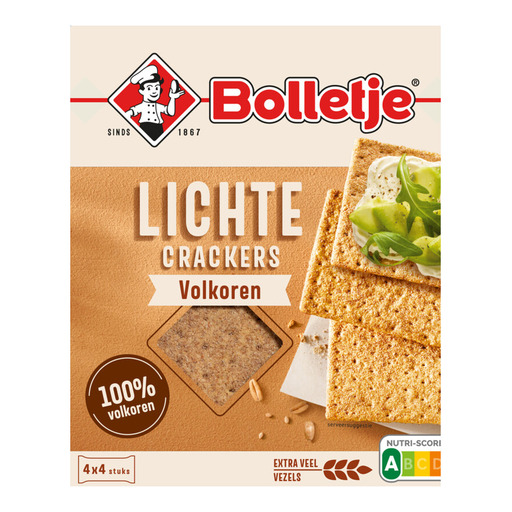 Image unavailable
Bolletje Light Whole Grain Crackers, 190 g
A wholegrain cracker for anyone who prefers a crisp base for lunch to a soft currant bun.
190 g pack. If you need to avoid particular grains or seeds, check the ingredients and allergens on the packaging.
View at Joybuy
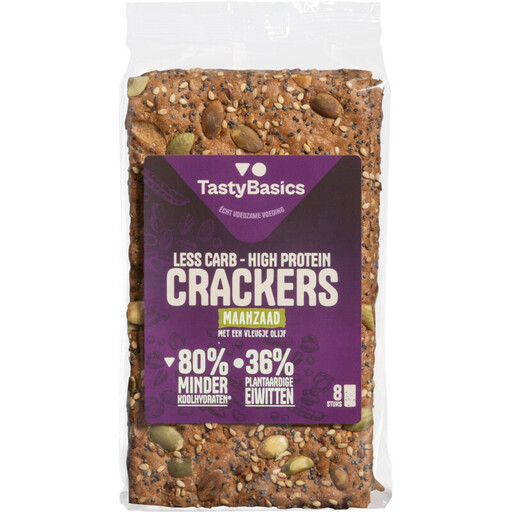 Image unavailable
TastyBasics crackers poppy seed, 8 stuks, 200 g
A cracker option if you’re looking for poppy seeds in a crisp lunch base rather than a currant bun.
The pack lists 8 pieces and 200 g. Check the ingredients and allergens, especially if sesame, soya or gluten are a concern for you.
View at Joybuy
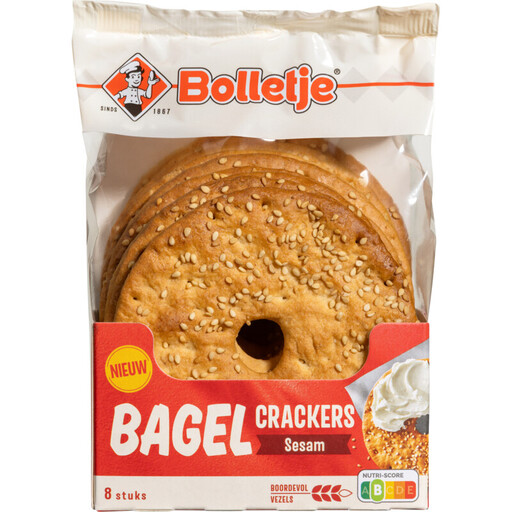 Image unavailable
Bolletje Sesame Bagel Crackers, 225 g
A crisp cracker with sesame in the product name, for anyone who isn’t looking for a soft lunch roll.
225 g pack. Before comparing the fibre content, check the packaging to see what quantity it refers to; also read the allergen information.
View at Joybuy
Frequently asked questions
Do currant buns always contain baker’s salt?
No, don’t assume they do. The Netherlands Nutrition Centre says that using baker’s salt when baking bread isn’t compulsory. If you want to know, look for ‘baker’s salt’ or ‘iodised salt’ in the ingredients list for the currant buns.
Do muesli buns with seeds always have more fibre than standard currant buns?
You can’t tell from the name alone. Jumbo lists 6.5 g of fibre per 100 g for its wholemeal muesli buns described, compared with 2.8 g per 100 g for its standard currant buns described. To make your choice, compare the grain base, fibre per 100 g and the weight of each bun; seeds alone don’t prove that it has a wholegrain base.
What should I look for in a muesli bun if I need to avoid nuts or sesame?
Check the latest ingredients list and any warnings about possible traces. The Albert Heijn and Jumbo muesli buns described contain nuts and may contain sesame; for any other bun, too, the product name is no substitute for checking the label.
Can I keep currant buns for lunch later in the week?
Follow the storage advice on the packaging of the buns you buy. Check whether freezing is recommended and, if so, under what conditions, rather than assuming the same instructions apply to every currant bun or muesli bun.


