What should you look for when choosing?
First decide whether you’re looking for a bread-like snack to go with coffee or a gift to share. Then compare the amount you actually plan to serve with the nutritional information for the product you’ve chosen.
| What to consider |
What to check when buying |
Who it matters to |
| Nutritional value of a regular coffee-time snack |
Compare fibre and protein per serving and per 100 g; also check which type of bun you’re buying. |
If I regularly serve a bun with coffee, I want to know how it fits into the rest of the diet. For around 37% of consumers, this nutritional value is the top priority. |
| Sugars, saturated fat and salt |
Compare the serving you plan to offer and check the corresponding values in the nutritional information. |
If you pay attention to these nutritional values, you shouldn’t assume that a whole bun is equivalent to a piece of chocolate. For around 36% of consumers, this is the priority. |
| Gifting and sharing |
Check which varieties are in the box, how you can divide them up, and which ingredients and allergens are listed. |
When visiting someone for coffee, I want to be able to bring something guests can easily share. For around 27% of consumers, this matters most. |
Chocolate to enjoy with coffee on Joybuy
These products are chocolate options for an afternoon coffee-time treat. If you’d like to share them, decide on the serving size and check the ingredients of the product you choose; this list doesn’t include currant buns.
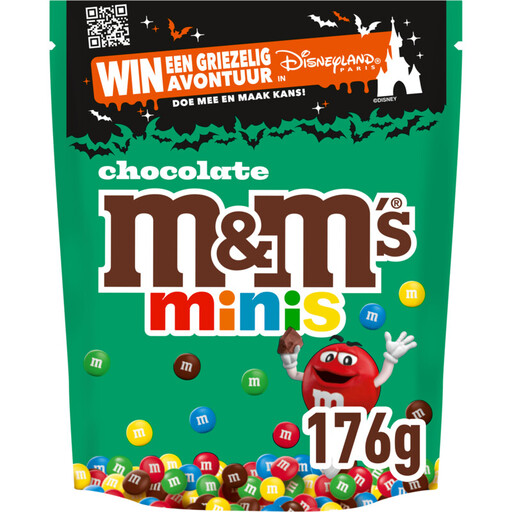 Image unavailable
M&M's Minis Milk Chocolate More To Share, 176 g
A bag of chocolate sweets for sharing with coffee. Decide in advance how much you’ll serve, and check the ingredients on the packaging.
View on Joybuy
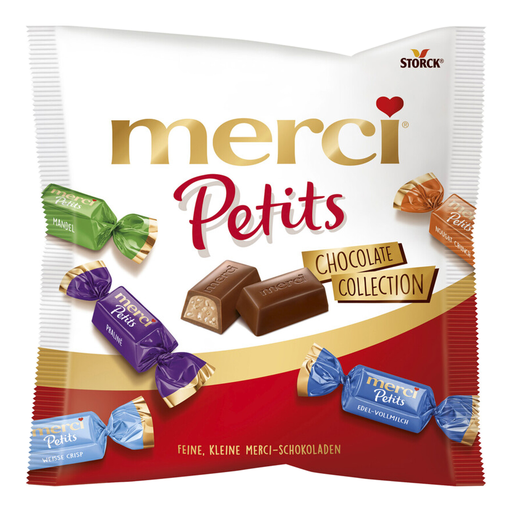 Image unavailable
Merci Petits Chocolate Collection, 125 g
A chocolate collection to take along if you’re bringing a little treat for coffee. The pack contains 125 g; check the ingredients and decide how much you’d like to serve.
View on Joybuy
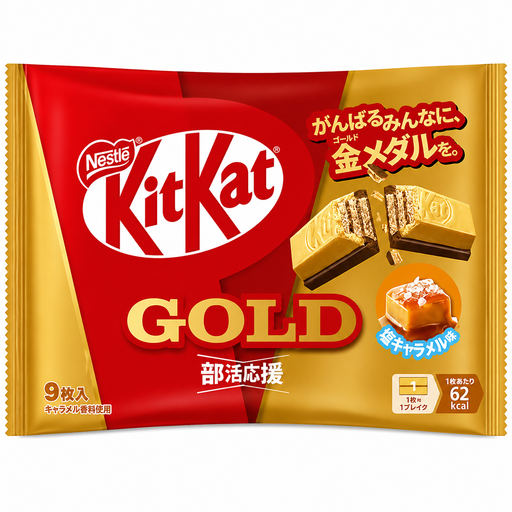 Image unavailable
KitKat Gold Wafer Chocolate Salted Caramel Flavor, 9 pieces
For sharing individually wrapped chocolate wafers with a salted caramel flavour. The pack contains 9 pieces; check the nutritional information and ingredients for this product.
View on Joybuy
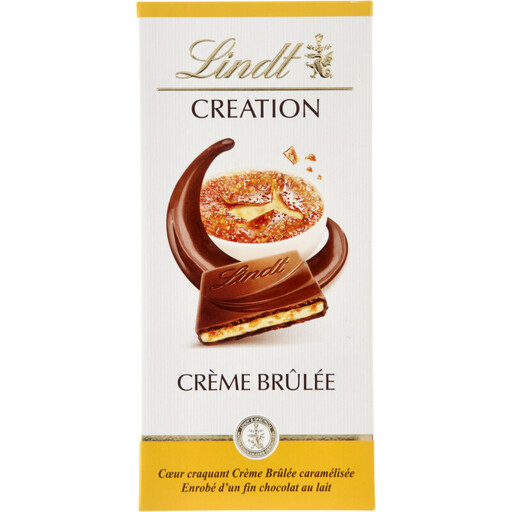 Image unavailable
Lindt Creation Crème Brûlée, 150 g
A crème brûlée-flavoured chocolate bar that you can break into pieces to serve with coffee. The bar weighs 150 g; choose your own serving size and read the nutritional information on the packaging.
View on Joybuy
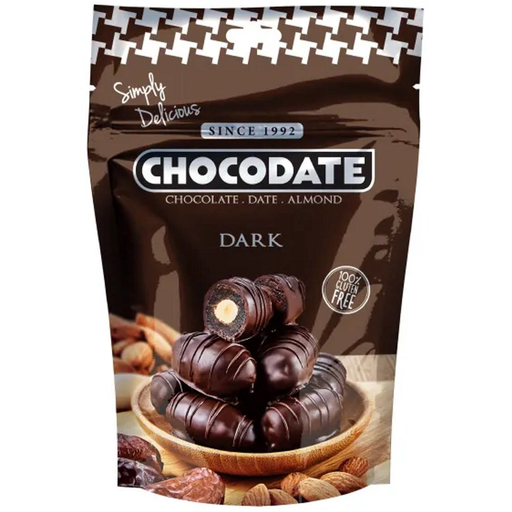 Image unavailable
AE Chocodate Dark Chocolate, 90 g
For serving dark chocolate with coffee. The pack contains 90 g; check the ingredients and decide how much you’d like to serve.
View on Joybuy
Frequently asked questions
Is a currant bun automatically a better choice than chocolate for a regular coffee-time snack?
No, you can’t tell that from the type of product alone. A currant bun is a bread-like snack, but it also contains sugars and salt: the Netherlands Nutrition Centre lists an average of 15.9 g of sugars and 0.42 g of salt for a 50 g bun. Compare the actual serving size and the labels of the products you’re considering.
What should I consider if older people are joining me for coffee?
Choose a coffee-time snack to suit the people you’re hosting, not just their age. The Netherlands Nutrition Centre stresses the importance of getting enough energy and nutrients as you get older; a general product comparison isn’t enough if someone has specific dietary restrictions.
What does baker’s salt on the label of a currant bun mean?
According to the Netherlands Nutrition Centre, iodine is added to this special baker’s salt. Check the ingredients list to see whether the bun you’ve chosen contains baker’s salt; that information alone doesn’t tell you how the product fits into someone’s overall iodine intake.
How do I check for allergens in unpackaged currant buns?
Ask for allergen information about the specific bun before buying it. The Netherlands Food and Consumer Product Safety Authority states that sellers of unpackaged food must provide customers with information about the 14 designated allergens.
How can I share a box of chocolates without losing track of the portions?
Decide in advance how many pieces you’d like to offer each person, and check the nutritional information for the box you’ve chosen. Don’t use the value for dark chocolate as a guide to all fillings or types of chocolate.


