
Cook with a small kitchen
You blend cucumber soup in the pan and want to store as few separate parts as possible. The Netherlands Nutrition Centre lists a hand blender as an option for cold cucumber soup.


If you want to blend cucumber soup straight in the pan and cupboard space is limited, a simple hand blender is usually the best fit. A jug blender may be better for larger quantities of thin soup and a smooth texture, but you’ll need room for the jug and motor base. A soup maker is mainly worthwhile if you’ll also use its heating programmes. Choose a personal blender only if its capacity and temperature guidelines suit your recipe.
You blend cucumber soup in the pan and want to store as few separate parts as possible. The Netherlands Nutrition Centre lists a hand blender as an option for cold cucumber soup.
You prioritise larger quantities of thin soup and a smooth texture, and have room for a jug and motor base.
You mainly make small, cold batches and want to use a blending cup for drinks too. If you’re using cooked ingredients, check the temperature guidelines for your chosen model first.
When making cucumber soup with limited cupboard space, the main considerations are whether you’ll blend in the pan or use a jug or cup, and how much soup you make at a time.
| What to consider | What to look for | Who should consider this? |
|---|---|---|
| Storage space | Check the dimensions of the motor and detachable blending foot, and include any accessories you plan to store. | If I blend soup in the pan and have little cupboard space, I don’t want to store attachments I won’t use. Around 45% of consumers say storage space and separate parts are their main concern. |
| Portion size and texture | Compare the usable jug capacity with your portion sizes. Blending in the pan avoids transferring the soup, but may result in a less even texture. | If I make several portions at once, the amount I can blend in each batch matters, even if a jug takes up extra storage space. Around 27% of consumers focus mainly on portion size and texture. |
| Small, cold portions | Check the cup capacity and the temperature limit for ingredients in the model’s instructions. | A cup can be handy for a small cold portion or a smoothie. For cooked soup, I’d first check whether it needs to cool down sufficiently. Around 18% of consumers prioritise small, cold portions and versatility. |
| Automatic heating | Check whether the appliance has heating programmes, and whether you’ll use them often enough to justify storing an extra appliance. | If I regularly want to heat soup automatically, that feature may be worth the storage space. Around 10% of consumers prioritise automatic soup-making. |
A chopper, whisk and beaker add extra functions, but aren’t needed to blend soup with the blending foot.
Start with the recipes you actually make and check which parts are included with the exact version you’re considering.
Unused attachments take up extra cupboard space.
Hot ingredients in a sealed blending cup can build up pressure. In the Netherlands Nutrition Centre’s cold recipe, the soup is chilled after blending.
Follow the instructions for the exact personal blender you have. nutribullet’s safety guidance warns against putting hot ingredients in sealed blending cups. For the models it refers to, ingredients must be no warmer than 21 °C when you start blending.
If a recipe is served cold after blending, automatic heating isn’t essential.
Choose a soup maker mainly if you’ll also use its heating programmes for other soups and have somewhere to store the appliance.
Allow for a separate storage space and the extra cleaning involved.
The ErgoMixx MSM66110 is a hand blender for blending directly in the pan.
The MultiQuick 1 MQ10.001M WH is a basic hand blender supplied with a measuring beaker.
The Blend Up BL19H4F0 is a compact blender option for cold soup and drinks.
The Pro 900 NB904CP is a personal blender for small batches.
The Viva Collection SoupMaker HR2204/80R1 offers soup and heating programmes; the version listed is refurbished.
This selection includes hand blenders for blending in the pan, and blenders for small, cold portions or larger quantities of thin soup. Before choosing, consider the portion size you need, the storage space available and the instructions for using the model.
 No image available
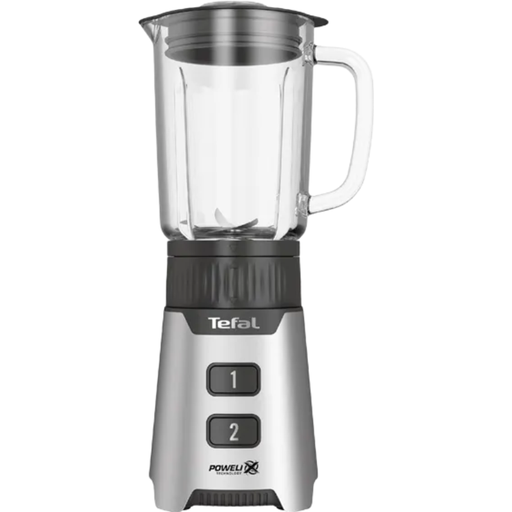
An option for blending small portions in a cup if you also make cold recipes.
The product description lists two speeds, detachable blades and parts that are dishwasher-safe.
The stated capacity is 700 ml. Check that it suits the quantity you want to make at a time.
 No image available
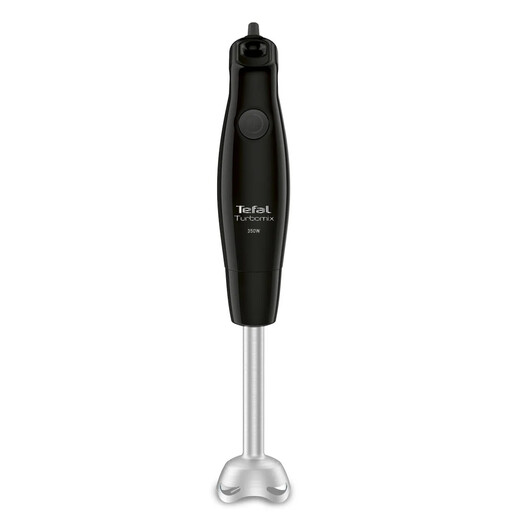
A hand blender lets you blend soup straight in the pan, without first transferring it to a blender jug.
The product description lists 350 W, a detachable foot, a measuring beaker and a splash guard.
 No image available
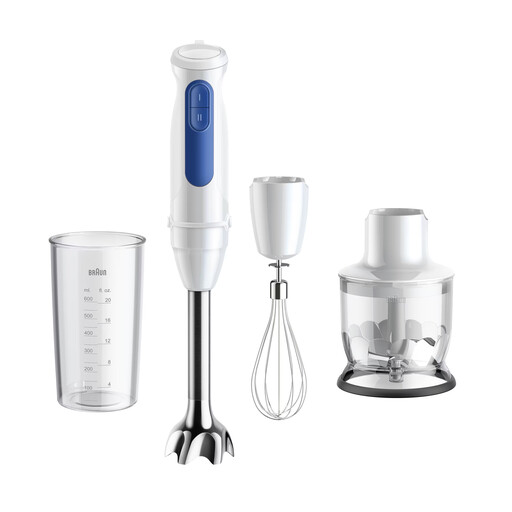
A hand blender for anyone who wants to blend soup straight in the pan without needing a separate blender jug for the job.
The product description lists 900 W, two speeds, a detachable blending foot and parts that are dishwasher-safe.
According to the description, continuous use is limited to a maximum of 1 minute.
 No image available
A jug blender may suit you if you want to blend several portions of thin soup at once and have room for the jug and motor base.
The product information lists a usable capacity of 1.5 l and a heat-resistant glass jug for hot and cold recipes.
A jug blender takes up more storage space than blending soup in the pan with a hand blender.
 No image available
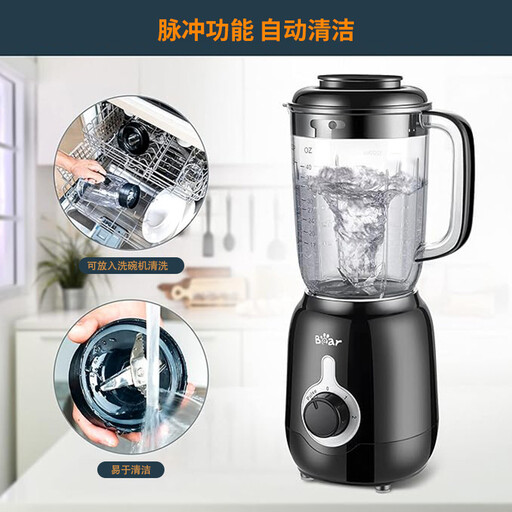
The jug capacity may suit larger portions, provided you also have room for the blender and extra cups.
The title lists a 1.2 l jug, two speeds, a pulse setting and four stainless steel blades. The product description also mentions separate grinding and chopping cups.
Add at least 300 ml of liquid. After a maximum of 1 minute of continuous use during demanding blending cycles, the appliance needs to rest for 2 minutes.
Yes, with a hand blender: the Netherlands Nutrition Centre’s recipe recommends this method. Follow the instructions for your chosen appliance and, if necessary, let hot ingredients cool first.
Check the instructions for the exact model first. nutribullet’s safety guidance warns that hot ingredients can cause pressure to build up in sealed blending cups. For the models it refers to, ingredients must be no warmer than 21 °C when you start blending. This isn’t a general limit for all blenders.
A hand blender can be practical if you blend soup in the pan and want to store as few parts as possible. A jug or personal blender needs space for the motor base and jug or cup, so weigh that storage requirement against the portion size you need.
The Netherlands Nutrition Centre recommends serving the soup chilled after blending. For leftovers, it advises covering them well and putting them in the fridge within two hours of preparation.
According to the Netherlands Food and Consumer Product Safety Authority, CE marking is compulsory for electrical products. The mark is the manufacturer’s declaration that the product complies with applicable requirements; it doesn’t mean that any model mentioned here has been independently tested. Check the marking and information for the specific product on offer.