
Planner with a working fridge
You want to slice the cucumber in advance and, above all, be sure about how to cover and chill it, and when to serve it. The Netherlands Nutrition Centre recommends keeping cut vegetables chilled.


If there’s room in your current fridge and a thermometer reads 4 °C, there’s no need to buy an extra fridge just for a tub of cucumber slices. Keep them covered and chilled. The Netherlands Nutrition Centre recommends a fridge temperature of 4 °C. If you regularly need more chilled storage, even when you’re not having guests, choose a fridge based on the space available, its layout and its stated annual energy consumption.
You want to slice the cucumber in advance and, above all, be sure about how to cover and chill it, and when to serve it. The Netherlands Nutrition Centre recommends keeping cut vegetables chilled.
You sometimes need extra room for snacks or drinks when you have guests, but want to weigh up whether a compact appliance is worth the space it takes up and the ongoing energy use. Milieu Centraal points out that a second fridge uses extra electricity.
You regularly struggle to fit your shopping in, even when you’re not having guests, so you’re comparing an under-counter fridge with a larger fridge or fridge-freezer. The Consumers’ Association and Milieu Centraal highlight size and suitable storage capacity as factors to consider.
Choose this if: there’s room for a covered tub and, once the temperature has stabilised, a thermometer reads 4 °C.
Consider: you won’t need to buy another appliance. If there isn’t enough room or the temperature is too high, you’ll need to address that first.
Choose this if: you regularly need a little extra chilled storage and the tub and other items will genuinely fit in the layout.
Consider: a compact appliance offers less storage space and will continue to use electricity after your guests have gone.
Choose this if: you need extra room for tubs, snacks or shopping on a regular basis, and the external dimensions will fit in your kitchen.
Consider: compare the layout and annual energy consumption, and check whether the specific model has a freezer compartment.
Choose this if: you’re short of both fridge and freezer space every day and are considering replacing your current appliance.
Consider: this is a larger solution. Extra capacity isn’t a reason to replace a suitable, working fridge just to store cucumber slices.
| What to consider | What should you check? | Who should pay particular attention? |
|---|---|---|
| Keeping food chilled | Measure the temperature with a fridge thermometer and check there’s room for a covered tub. | If I slice the cucumber in advance, I want somewhere to put it in a covered tub and to be sure the fridge is cold enough. Around 36% of consumers say reliable cooling is their main concern when buying. |
| Extra chilled storage | Compare the layout and usable space with the tubs, dishes and other items you want to store. | If I want to chill snacks, drinks or shopping as well as cucumber, the available fridge space matters most to me. Around 29% of consumers prioritise extra chilled storage. |
| Size and position | Measure the space and check the external dimensions and door swing of the exact model. | If my kitchen is short on space, I want an appliance that fits without needing more storage than it can offer. Around 21% of consumers prioritise a compact size. |
| Energy consumption | Compare the stated annual consumption in kWh of models that meet your storage needs. | If I only need extra space occasionally, I want to avoid buying an appliance that uses electricity all year round just for when I have guests. Around 14% of consumers say ongoing energy use is their main concern when buying. |
If there’s room and the measured temperature is suitable, your current fridge may be enough for the tub. Milieu Centraal points out that two fridges use more electricity combined than one large appliance.
First, check the temperature and whether there’s room for the tub. Only buy extra chilled storage if you’ll regularly need it after your guests have gone, too.
An appliance you don’t need will use extra electricity all the time.
The stated capacity doesn’t necessarily tell you whether your tubs or dishes will fit. Shelves and door compartments also affect how you can use the space.
Measure the tubs you want to store and compare them with the layout of the exact model.
A compact model may be suitable for a little extra chilled storage, but it won’t necessarily have room for all your food for a party.
Make a list in advance of everything you want to chill besides the cucumber, then choose the capacity and layout you need.
The CFB4300WH is an example of a compact fridge for a modest need for extra chilled storage.
The KK550 is an example of an under-counter fridge with more chilled storage and adjustable shelves.
The KKV856WIT is an example of an under-counter fridge with chilled storage and no freezer compartment.
The KGN36VLCK is an example of a larger fridge-freezer for everyday storage.
This selection ranges from compact options for extra chilled storage and under-counter fridges to a fridge-freezer. Choose based on the space you need, the room available and the product specifications. Check the actual fridge temperature with a thermometer.
 Image unavailable
An option to compare if you’re looking for extra chilled storage as well as space for your cucumber tub.
The product information lists a capacity of 88 litres, three adjustable shelves, a salad drawer and energy class E. Check that the layout and external dimensions suit what you want to store.
 Image unavailable
An under-counter model to consider if you need extra chilled storage more often than just when you have guests.
The product information lists a capacity of 129 litres, two glass shelves, a salad drawer and dimensions of 54 × 54 × 88 cm. Check the layout and the space available before buying.
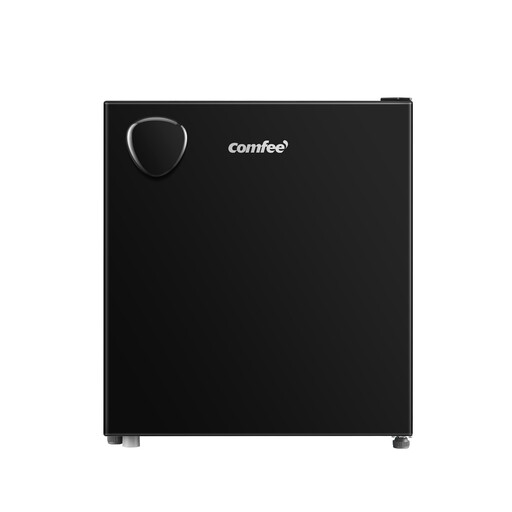 Image unavailable
A compact option if space is limited and you only want to chill a small number of extra items.
The product information lists a capacity of 43 litres, a width of 44,5 cm, three temperature settings, a reversible door and energy class E. Stated annual energy consumption is 80 kWh. Check that the interior is large enough for your tubs.
 Image unavailable
A fridge-freezer to compare if you regularly need both chilled and frozen storage.
The product information lists 153 litres of fridge space, 52 litres of freezer space, a width of 540 mm and energy class E. The stated dimensions are 540 × 550 × 1440 mm; check that the appliance will fit in the available space.
 Image unavailable
A compact fridge to compare if you’re looking for extra chilled storage and want to keep the width down.
The product information lists a capacity of 92 litres, a width of 47 cm, adjustable glass shelves, a salad drawer, seven temperature settings and energy class E. Measure the available space and check the actual temperature with a fridge thermometer.
Put the slices in a covered tub and store them in the fridge. The Netherlands Nutrition Centre recommends covering cut cucumber to stop it drying out and setting the fridge to 4 °C. The two-day storage period given for peeled cucumber doesn’t automatically apply to all individual slices with the peel on.
Place a fridge thermometer in the middle of the bottom shelf and leave it there for half a day or overnight. The Netherlands Nutrition Centre recommends a temperature of 4 °C. Adjust the fridge if the reading is higher, then check again.
No. For this kind of storage, you just need to keep them chilled in a covered tub. Choose a freezer compartment only if you also want to freeze other items. The Netherlands Nutrition Centre says raw cucumber isn’t suitable for freezing.
An extra fridge is worth considering if you regularly need more chilled storage than your current appliance can offer. First, measure the available space and compare the layout and stated annual energy consumption in kWh. If you only need room for a tub of cucumber, your current fridge may be enough as long as there’s space and it reaches 4 °C.
Household fridges covered by EU rules must carry an energy label; the European Commission describes the scale from A to G. For models that suit your needs, also compare the stated annual energy consumption in kWh. You can multiply this by your electricity price per kWh to estimate your own costs, but actual energy use may vary.