
Lunch-goers who enjoy a croissant
You want to stick with a croissant and enjoy the texture of seeds, but you’re wondering how that choice fits into your lunch as a whole.


Choose a multiseed croissant if you specifically want a croissant with seeds, but don’t take the seeds as proof that it makes a complete base for lunch. Compare fibre, saturated fat and salt per 100 g. If you regularly have bread for lunch and fibre is your main concern, you could also consider wholemeal bread, as recommended by the Netherlands Nutrition Centre for lunch.
You want to stick with a croissant and enjoy the texture of seeds, but you’re wondering how that choice fits into your lunch as a whole.
You regularly have bread for lunch and want to know whether a multiseed croissant is an alternative to wholemeal bread for your needs.
You look beyond the seeds on the crust and compare fibre, saturated fat, salt, ingredients and allergens.
Start by deciding what type of product you want: are you after the taste and texture of a croissant, or mainly looking for bread for a regular lunch? Then compare the nutritional information on a like-for-like basis.
When to choose it: You specifically want a croissant with seeds, such as the AH Multiseed Croissant with linseed and sunflower seeds.
The trade-off: The AH version also contains 8 g of saturated fat and 1.18 g of salt per 100 g; seeds alone don’t make it equivalent to wholemeal bread.
When to choose it: You’re looking for bread for a regular lunch and want to prioritise fibre. The Netherlands Nutrition Centre recommends brown and wholemeal bread as lunch options because of their fibre content.
The trade-off: You won’t get the light, buttery texture of a croissant.
| What to consider | What to check before buying | Who is this relevant to? |
|---|---|---|
| Fibre and type of flour | Compare fibre per 100 g and check whether wholemeal flour is listed in the ingredients. | If I regularly have bread for lunch, I want to know whether the seeds come with a fibre content that suits my choice. Around 40% of consumers put this fibre question first. |
| Saturated fat and salt | Compare both values per 100 g, even when the croissant visibly contains seeds. | When I have a croissant for lunch, I don’t want to look at the seeds alone; I also want to take fat and salt into account. This is the main consideration for around 30% of consumers. |
| Convenience and croissant flavour | Check the type of product, the weight of each item and any preparation instructions. | I mainly want a croissant that suits my lunchtime routine, and I want to know how much preparation it needs. Around 20% of consumers prioritise this. |
| Ingredients and allergens | Read the latest ingredients and allergen information; don’t assume the product contains iodised salt based on its name. | If I need to watch out for specific ingredients, the label determines whether I can choose this product. Around 10% of consumers prioritise this check. |
Seeds alone don’t tell you anything about the type of flour or the overall nutritional value. For example, the AH Multiseed Croissant contains 3.6 g of fibre and 8 g of saturated fat per 100 g.
Check both the ingredients and the nutritional information, and compare them with the bread you would otherwise choose.
A comparison per item can be misleading if the products weigh different amounts.
Compare per 100 g first, as recommended by the Netherlands Nutrition Centre, then check the weight you’ll actually eat.
A roll, cracker or rusk with seeds doesn’t automatically have the same ingredients, nutritional value or texture as a croissant.
Choose between a croissant and a bread alternative deliberately, and assess each product using its own label.
The name ‘multiseed’ doesn’t tell you which allergens may be present or what type of salt has been used.
If you have specific dietary requirements, read the latest ingredients and allergen information for that particular version.
The AH Multiseed Croissant is made with linseed and sunflower seeds; Albert Heijn lists its weight as 80 g per item.
Lidl lists a product called Multiseed Croissant, which is worth considering if you’re specifically looking for this type of product.
ALDI lists multigrain bread with grains and seeds as a bread alternative for lunch.
Jumbo has a croissant category that includes butter, plant-based and ready-to-bake options.
Dirk lists croissants and, in a separate product category, multiseed bread.
PLUS lists multiseed rusks, among other products, as an alternative outside the croissant category.
These breads and rolls are for anyone who’d also like to consider an alternative to a multiseed croissant for lunch. Compare the product type and label before choosing; these aren’t croissants.
 Image unavailable
A rye bread alternative if you’d rather choose bread than the texture of a croissant. The pack contains 500 g; check the latest label if fibre or allergens influence your choice.
 Image unavailable
A wholemeal bread alternative if the type of bread matters more to you than the croissant shape. The loaf weighs 550 g; check the nutritional information and preparation instructions on the packaging.
 Image unavailable
Rolls for anyone who wants a different type of product from a croissant for lunch. The pack contains four rolls; carefully read the latest allergen information, especially if sesame is relevant to you.
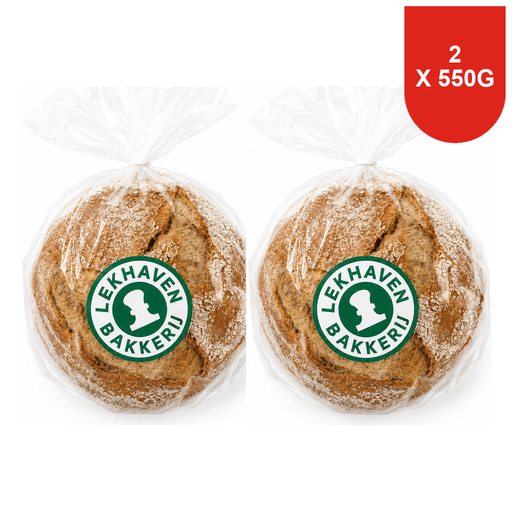 Image unavailable
A multigrain bread alternative if you’d rather have bread than croissants. The title lists two loaves of 550 g; check that the multipack and the storage and preparation instructions suit your plans.
 Image unavailable
A single multigrain loaf if you’re looking for a bread alternative without buying a pack of two. The loaf weighs 550 g; check the packaging for nutritional information and preparation instructions.
No, seeds alone don’t determine that. Compare fibre, saturated fat and salt per 100 g, and consider the rest of your lunch. The Netherlands Nutrition Centre lists brown and wholemeal bread as fibre-rich lunch options.
First compare the nutritional values per 100 g, including fibre, saturated fat and salt. Then check the weight per item, ingredients and allergen information. The Netherlands Nutrition Centre recommends comparing products per 100 g.
Vegetables and suitable toppings can make up the rest of your lunch. The Netherlands Nutrition Centre suggests options including vegetables, hummus and eggs; you should still check the croissant’s own label.
Don’t assume so based on the product name. Albert Heijn lists iodised salt in its Multiseed Croissant; for another croissant, check the ingredients for that specific version.