
Vandaag of morgen in huis

Kwaliteit gegarandeerd

Welkomstaanbiedingen ontgrendelen: GRATIS bezorging | Tot 80% korting | Gratis 30 dagen JoyPlus-proefperiode
Download de app
Buying a new dinnerware set seems simple until you discover that the plates do not fit in the dishwasher, bowls are too small for soup or a serving board requires far more maintenance than expected. When choosing crockery and tableware, it is therefore not just about colour and shape. The material, dimensions, care requirements and number of users all determine whether your purchase remains practical for everyday use.
A glossy finish or striking colour quickly catches the eye. However, an attractive design says little about a product’s practical qualities. Always check whether the crockery is suitable for the microwave, dishwasher, oven or freezer. These features vary by product and sometimes even by material.
For example, according to the product description, the Secret de Gourmet Colorama dinnerware set is suitable for use in the microwave and dishwasher, but not in the oven or freezer. The usage information may be different for porcelain dinnerware. So do not rely on general assumptions about porcelain, ceramic or earthenware.
An 18-piece dinnerware set sounds generous, but it usually consists of six dinner plates, six deep plates and six breakfast or dessert plates. Cups, mugs and cutlery are often not included. Therefore, check:
For a two-person household, a large set may take up more cupboard space than necessary. If you regularly entertain guests, extra breakfast plates, dinner plates or bowls can be particularly useful.
A wooden snack and tapas board does not require the same care as ceramic plates or glass dishes. For example, according to the product information, an acacia wood serving board is not dishwasher-safe. A serving set with earthenware bowls may need to be washed by hand to help extend its lifespan, even when some packaging information states that it is dishwasher-safe.
Also pay attention to warnings about cracks, chips and sudden changes in temperature. It is best to stop using damaged crockery for food, as sharp edges can form.
Porcelain dinnerware often has a smooth appearance and works well for a smart, versatile table setting. However, it remains breakable. The Green Harmony dinnerware set consists of 18 porcelain pieces, with 26.5 cm dinner plates, 19 cm deep plates and 20 cm dessert plates.
Ceramic plates and stoneware generally have a slightly more robust appearance. Always check the exact product details: the terms ceramic and stoneware alone do not indicate whether a product is suitable for use in the oven or freezer.
For storing food, plastic meal prep containers are practical. The Mepal Cirqula containers are made from polypropylene and, according to the product description, are suitable for the fridge, freezer, dishwasher and microwave without the lid. The set contains 750 ml, 1.500 ml and 3.000 ml sizes. This makes comparing capacities more important than simply looking at the set price.
A dinner plate of around 26 to 28 cm provides plenty of room for a main meal, but also takes up more space on the table and in the dishwasher. Breakfast plates of around 19 to 20 cm are useful for bread, fruit and smaller portions. Deep plates or bowls of around 19 to 21 cm are often suitable for soup, pasta or breakfast.
When it comes to serving, consider the space available on your table. A 70 x 18 cm board works well on a long table but is less convenient on a small coffee table. A 23 cm fruit bowl is more compact and can remain out every day.
Check whether a product is dishwasher-safe and which parts, if any, need to be washed by hand. When using the microwave, check whether the plate, dish or container has been approved for this purpose. With food storage containers, the lid often needs to be removed before heating the contents.
Information about food contact, materials and the manufacturer should be clearly available. A general marketing term such as “durable” is no substitute for specific details about dimensions, material or care.
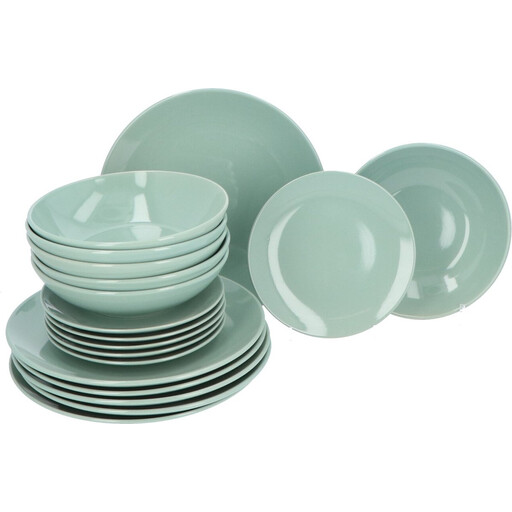
Why it suits this profile: This 18-piece set is designed for six people and combines dinner, dessert and deep plates in a single purchase.
The product information clearly states that the set is not suitable for use in the oven or freezer, allowing you to take this into account before buying.
Stoneware, microwave-safe and dishwasher-safe according to the product description; 27.5 cm dinner plate.
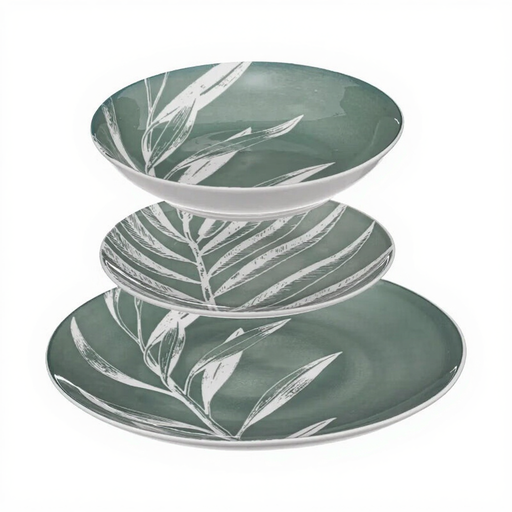
Why it suits this profile: The green colour and coordinated selection are ideal if you want a cohesive table setting for everyday meals and entertaining.
The three plate sizes are clearly specified: 26.5 cm, 19 cm and 20 cm. This means you can check your cupboard space and table layout in advance.
18-piece porcelain set for six people; dinner, deep and dessert plates included.
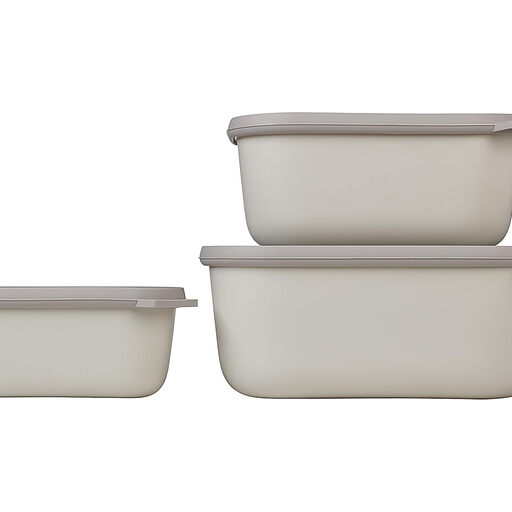
Why it suits this profile: For meal prep, storing leftovers and taking lunch with you, three different capacities are more convenient than individual containers with no consistent sizing.
The product description states that the containers can be used in the fridge, freezer, microwave without the lid and dishwasher. Always check the instructions on the product before use.
Three sizes of 750 ml, 1.500 ml and 3.000 ml; transparent, airtight lids according to the product information.
We have compiled a complete, up-to-date list of products that fully meet these strict selection criteria and the applicable European safety regulations.
Alongside a dinnerware set, a few individual items can make everyday use more practical:
When choosing individual items, pay attention to colour and shape so that they complement your existing dinner plates and breakfast plates.
For two people, a four-person set is practical if you do not want to run the dishwasher every day. An 18-piece dinnerware set for six people is better suited to families or those who regularly entertain guests. Also count the number of bowls, breakfast plates and serving dishes.
Porcelain is a specific type of ceramic material with a smooth, often light-coloured finish. Ceramic and stoneware can look heavier and more robust, but their properties vary from product to product. Therefore, always check the information about dishwasher, microwave, oven and freezer use rather than relying solely on the material name.
Do not use damaged pieces, avoid sudden changes in temperature and follow the care instructions. Wooden boards are generally best cleaned by hand. With ceramic and porcelain products, leaving enough space in the dishwasher helps to reduce knocks and chipping.
