
Teacher filming close-ups of stitches
Wants to keep hands and stitches visible during demonstrations. Canon Europe explains how the direction of the key and fill lights can affect shadows on a subject.


Start with a directional, dimmable light that you can position beside the camera, then check in a test video that your hands don’t obscure the stitches. A compact panel takes up less setup space; a larger panel or a COB light with a light modifier offers other ways to illuminate your work surface, but requires room for the whole setup. If you’re recording a spoken lesson, check the power supply, fan noise and whether any bands appear in the image.
Wants to keep hands and stitches visible during demonstrations. Canon Europe explains how the direction of the key and fill lights can affect shadows on a subject.
Wants yarn colours to remain recognisable from one shot to the next, so pays attention to both adjustable white light and the camera’s white balance.
Needs to position the light, mount and power supply while leaving room to work. A compact setup and a panel in a fixed position each call for a different layout.
Best for: a small demonstration that you want to pack away quickly afterwards. NEEWER lists the NL-116AI as having 10 W, adjustable white light and a built-in battery.
Bear in mind: the stated 600 lux is measured at 0.5 m; don’t compare it directly with the lighting of a larger work surface. The stated battery life is 1.5 hours.
Best for: a permanent spot beside the table, where your hands and more of your crochet work can be in shot. Godox lists a diffuser for the P260C Pro; NEEWER lists an adjustable bracket for the NL660.
Bear in mind: allow space for the panel and its mount. The tripod varies by version for the NL660, and NP-F batteries are not included.
Best for: a setup where you want to shape the light and shadows deliberately, and have room for the light, mount and modifier.
Bear in mind: check which accessories and power supply are included with your chosen version. If you’re recording spoken instructions, also check whether the active cooling is audible.
Choose a light based on what is most likely to disrupt your recording: shadows on the stitches, colours that are hard to recognise, a crowded table or having to interrupt the recording.
| Concern | What to look for when buying | Who is this important for? |
|---|---|---|
| Seeing the stitches | Check whether you can direct the light, then record a test video with both hands moving. | When I demonstrate stitches, I want to see whether my hands obscure the crochet work. This is a priority for around 31% of consumers. |
| Recognisable yarn colours | Check the adjustable white-light range and set the camera’s white balance under the lighting you’ll actually use. | When explaining yarns, I want to be able to distinguish colours in the recording. Around 25% of consumers put colour recognition first. |
| Room to work | Check the dimensions, mounting position and what’s included in the set, such as a mount or tripod. | When I share a table with others, I want to position the light and camera without taking up unnecessary work surface. Around 25% of consumers put having clear workspace first. |
| Uninterrupted recording | Compare the power supply with the length of your lesson, and test for fan noise and possible bands in a test video. | For a spoken lesson, I want enough power and an image without disruptive interruptions. Around 19% of consumers put uninterrupted recording first. |
A stated illuminance applies at a particular measuring distance and sometimes with a specific light modifier. So a single figure doesn’t automatically tell you how well the crochet work will be lit from your recording distance.
Only compare figures when the measuring conditions match, and record a test from the spot where you’ll be filming.
The NEEWER NL660 is available with different tripod options; the NP-F batteries mentioned are not included. A suitable PD charger for the SmallRig RC 60B version mentioned must be purchased separately.
Check the pack contents for the exact version and compare them with your preferred mounting option and recording time.
You may need to buy a tripod, NP-F battery or suitable PD charger separately.
Visible bands also depend on camera settings and other lighting. A stated noise level doesn’t automatically tell you how the light will sound during a spoken recording in your workshop.
Record a clip at your intended brightness, with moving hands and spoken instructions, using the lighting you’ll have on during the lesson.
Compare the compact NL-116AI with the larger NL660 if you’re considering a panel beside your worktable.
The P260C Pro is a panel worth comparing if a fixed, diffused light source beside your work surface suits you.
The RC 60B, version 4376B, is a COB option worth comparing if battery or USB-C PD power would be useful.
The amaran 60x S is a COB option for anyone with room for a separate lighting setup.
The VL49 RGB is a compact, portable option for adding light to a specific area.
These product options range from a COB light for a separate setup to compact lights for adding local illumination to close-ups.
 No image available
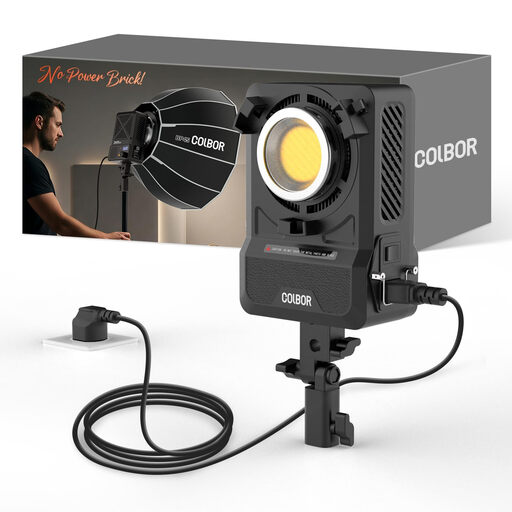
An option if you want to use a COB light with adjustable settings and have room for a setup beside the table.
200 W; adjustable brightness and colour temperature from 2700–7000 K; CRI/TLCI 96+; Bowens mount. Powered by a cable plugged into a mains socket. A light modifier may not be included.
 No image available
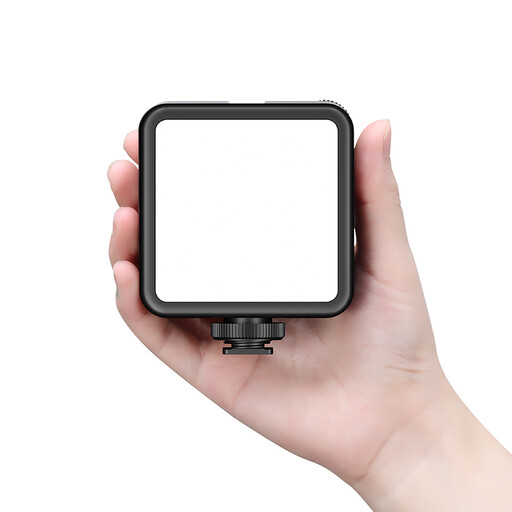
A compact option beside the camera if you want to direct light onto a small crochet project.
Adjustable brightness and colour temperature from 3200–5600 K; cold shoe mount. Keep the connections dry, ensure ventilation at maximum power and avoid prolonged direct exposure to the light.
 No image available
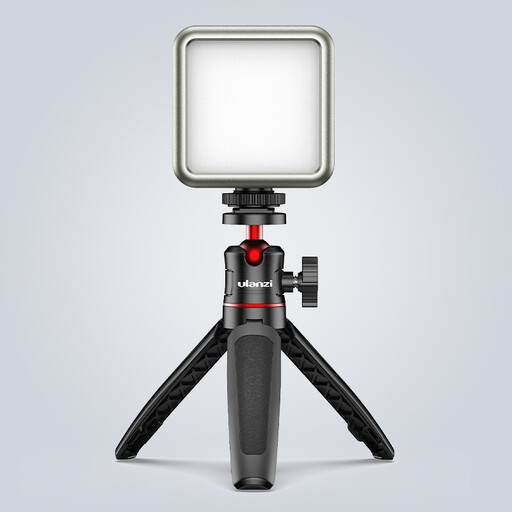
A compact light for adding illumination to small details; test with a short clip to check that the selected light setting keeps yarn colours recognisable.
Dimmable RGB light; adjustable colour temperature from 2500–9500 K; 2000 mAh battery and rear magnet. Use a standard 5 V adapter for charging, not a fast charger with a higher output voltage. Avoid damp conditions and don’t look directly into the light from close range.
 No image available
A mini fill light for adding local illumination while filming, if you have a suitable magnetic surface to attach it to.
Magnetic light; 500 mAh battery.
 No image available
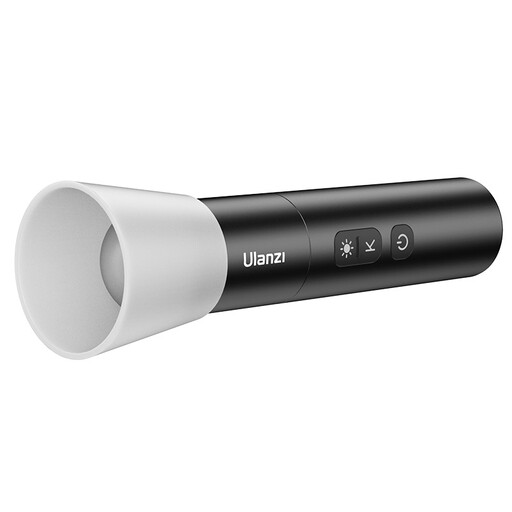
A portable option if you want to light a small area selectively; record a test to assess the effect on your crochet work.
Colour temperature from 2000–5500 K; four brightness levels; 2000 mAh battery; weight 187 g. The zoom lens can change the beam from spot to flood. Avoid shining the light directly into your eyes from close range.
Position a directional light beside the camera and review a test video with your hands moving. If a shadow falls on a stitch, move the light or try diffusion. Judge the image itself, not just how the crochet work looks to the naked eye.
The lighting and the camera’s white balance affect how colours appear in your recording. Set the white balance under the lighting in your final setup and test it with the yarns you want to discuss; a CRI rating alone can’t predict the final image.
Record a test clip with both the new light and the workshop lighting already switched on. Sony suggests trying shutter speeds of 1/50 or 1/100 second in environments with a mains frequency of 50 Hz; the result depends on the camera and light source. Netbeheer Nederland states that the mains frequency in the Netherlands is 50 Hz.
Compare the stated battery life at the brightness you need with your recording time, and check whether the correct adapter or PD power supply is included with your version. Follow the instructions for the battery and cooling, and test for fan noise before recording your lesson.
According to the Dutch Data Protection Authority, identifiable people in footage count as personal data. Before filming and publishing, consider the relevant privacy rules and, where possible, point the camera at hands and crochet work rather than other people using the space.