
Vandaag of morgen in huis

Kwaliteit gegarandeerd

Welkomstaanbiedingen ontgrendelen: GRATIS bezorging | Tot 80% korting | Gratis 30 dagen JoyPlus-proefperiode
Download de app
A Korean seaweed snack, roasted seaweed snack or crispy nori snack may seem simple to choose at first. But products can vary considerably in flavour, texture, portion size, ingredients and how they’re used. If you choose based only on the packaging or a flavour name, you could end up with a product that isn’t quite right for what you have in mind.
These points will help you compare seaweed snacks objectively, whether you’re looking for a snack to enjoy on the go, a topping for rice and noodles, or seaweed for sushi and rice dishes.
Words such as bulgogi, teriyaki, sriracha or wasabi give you an idea of the flavour, but the actual taste depends on the full seasoning mix. For example, a teriyaki product may contain sugar, soy sauce powder, garlic and onion. A spicy seaweed snack may also contain sweeteners, flavour enhancers or oil, as well as chilli.
So always check the ingredients list. That way, you’ll know whether you’re buying a mildly salted snack, seasoned seaweed with sesame oil or a distinctly spicy variety.
Many Korean and Japanese snacks come in 3 to 5 g packs. These are handy for portion control and help keep the texture crisp, but compare the total net weight before weighing up the prices. A pack containing several small bags isn’t necessarily better value than a single 32 or 40 g bag.
Also look out for the difference between thin roasted sheets and tempura-style snacks. The latter sometimes contain wheat flour, starch and oil, giving them a different texture and composition from plain nori.
Online product information may be incomplete or vary by flavour. Always check the packaging you receive, particularly for sesame, soya and gluten. For example, Taokaenoi Tempura Seaweed Spicy 40g lists wheat, gluten and soya. The Bibigo sesame snack lists sesame as an allergen.
The product packaging and ingredients list are the definitive source of information. Don’t rely on an online description instead of checking the label, especially if you have an allergy or intolerance.
Start with the basics: is the snack mainly seaweed, or does it also contain flour, starch and a larger amount of oil? For a simple Korean seaweed snack, products made with seaweed, oil and salt often have a straightforward ingredients list. Seasoned varieties also contain flavourings.
Also check for:
According to brands’ own product information, flavour, nutritional values and composition can vary between varieties. So check the current packaging before eating.
A thin roasted sheet is well suited to snacking, rice, sushi and crumbling over soup. A crispy tempura-style variety is thicker and airier, making it better as a snack on its own.
Use this simple guide for different occasions:
Seaweed absorbs moisture quickly. Store opened packs in a cool, dry place, away from sunlight and heat. Seal a larger bag tightly, and ideally eat an opened small pack straight away. Check the best-before date before buying, and don’t use the product if the packaging is damaged.
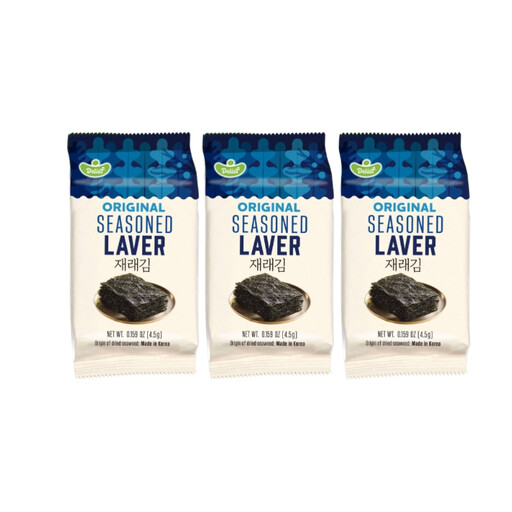
Why it suits this profile: The three separate 4.5 g packs offer an easy way to try a mildly seasoned Korean seaweed snack. The ingredients list is short: laver, rapeseed oil and salt.
The portion sizes and ingredients are clearly listed, so you’re less likely to buy a large bag without knowing how much you’re actually getting.
3 × 4.5 g, Korean origin and a short ingredients list with no major EU allergens declared in the product information.

Why it suits this profile: This Korean snack combines seaweed with rapeseed oil, sesame oil and salt. It’s a good choice if you’re after a savoury, roasted flavour and want to enjoy it with rice or noodles too.
The ingredients list makes it clear that the product contains sesame. This helps you assess the flavour and allergen profile before buying.
3 individual 5 g packs and a clearly listed composition with sesame oil; suitable as a snack or topping.
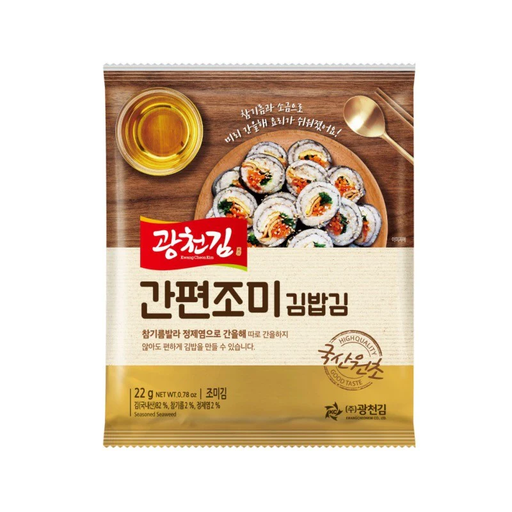
Why it suits this profile: According to the product information, this roasted, seasoned seaweed contains 82% seaweed and is intended for sushi, kimbap or snacking.
Its uses are clearly explained. So you’re not buying a snack intended only for eating straight from the pack, but a product that works in a range of dishes.
22 g pack, 82% seaweed and sesame oil as part of the ingredients; suitable for sushi, rice and snacking.
We’ve put together a complete, up-to-date list of products that meet these strict selection criteria and current European safety regulations.
Yes. You can crumble roasted nori and seasoned seaweed over rice, noodles, salads or soup. Add the snack just before eating if you want to keep its crispy texture.
Store the pack in a cool, dry place and seal it well. Moisture quickly makes thin seaweed go soft. Individual packs are handy if you don’t plan to eat the snack all at once.
A nori snack is usually already roasted and seasoned with oil and salt. Sushi nori is often larger and intended for making sushi or rice rolls. So before you order, check whether you’re looking for individual sheets, small snack portions or crumbled seaweed.
