
Lunchbox and portion planners
You’re looking for individual bags to take to work, school or on the go. Check the weight and nutritional information per bag: a small pack doesn’t, by itself, tell you how much protein it provides.


Choose a regular crisps multipack if individual bags for lunchboxes or sharing matter more than getting protein from the crisps themselves. If you want your snack to contribute to your protein intake, compare protein crisps by protein per bag and per 100 g. Also check the allergens and whether you’re buying individual portions or a multipack.
You’re looking for individual bags to take to work, school or on the go. Check the weight and nutritional information per bag: a small pack doesn’t, by itself, tell you how much protein it provides.
You want a savoury, crunchy snack that also provides protein. Compare the figures per 100 g and per bag, rather than relying on the name or packaging alone.
You’re buying different flavours for several people. For a variety box, check the ingredients and allergen information for each flavour, as these can vary from bag to bag.
Best for: individual bags for lunchboxes, guests or sharing, when crisps aren’t intended to be your source of protein.
Consider: pre-portioned bags don’t automatically make regular crisps high in protein. For variety boxes, check each flavour separately.
Best for: when the snack’s protein content matters more than having a ready-made box of individual bags to share.
Consider: an individual bag or a box of assorted flavours isn’t necessarily a multipack with consistent portions and nutritional values.
To help you decide, first compare what’s in one bag. Then check that the number of portions, flavours and ingredients suit how you plan to use them.
| What to consider | What to check before buying | Who it matters to |
|---|---|---|
| Protein per snack | Compare protein per 100 g with protein per bag, and check the portion size. | If I want to choose crisps as a snack that contains protein, the amount in the bag I’m actually eating matters. Around 36% of consumers put this protein contribution first. |
| Individual portions | Check the number of bags and the net weight of each one. | For a lunchbox or when I’m out and about, I want to be able to take an individual portion with me. For around 29% of consumers, portion convenience matters most. |
| Flavours and sharing | Check which varieties are in the box and how many bags you get of each flavour. | When I’m sharing snacks, I want to know whether the selection will suit everyone. A variety of flavours comes first for around 21% of consumers. |
| Ingredients and nutritional information | Read the allergen information for each variety and compare salt per 100 g or per portion. | If ingredients or salt are deciding factors for me, I can’t rely on the front of a variety box. Around 14% of consumers prioritise these requirements. |
A box of small bags tells you about the pack size, not its protein content. Albert Heijn lists 6.2 g of protein per 100 g for Pringles Original; the Voedingscentrum gives 2.5 g for a 40 g bowl of assorted crisps.
If you want to get protein from the snack itself, compare the nutritional information for the product you’re actually buying.
A bag can be much smaller than 100 g. Albert Heijn lists 32 g of protein per 100 g for Body & Fit Smart Protein Chips Original, but 7.4 g per 23 g bag.
Check the portion size alongside the protein per portion before comparing products for a lunchbox.
The varieties in a box can contain different ingredients. For a Lay's, Cheetos and Doritos multipack, Jumbo lists milk, lactose and soya among the allergens.
Read the allergen information for every bag you plan to share.
A selection of different flavours doesn’t automatically tell you how much protein each bag provides or whether every variety has the same ingredients.
Before buying, check what’s in the bundle and the nutritional information for each individual variety.
AH Proteïne Crisps Sweet Chili is an individual bag of protein crisps made with lentil flour, not a box of individually packed portions.
Smart Protein Chips Original comes in an individual bag, making it easy to compare the protein per portion with regular crisps.
Sour Cream & Onion protein crisps are an example of an individual bag. If you’re considering a bundle, compare the flavours separately.
Multipacks with several small bags are a good choice when sharing and a variety of flavours matter more than getting protein from the crisps.
Pringles Original 12-pack offers individual portions if having a set number of bags matters to you.
These crisps multipacks are handy for taking individual portions with you or sharing, and for choosing between flavours. If protein from your snack is an important part of your decision, compare the labels separately.
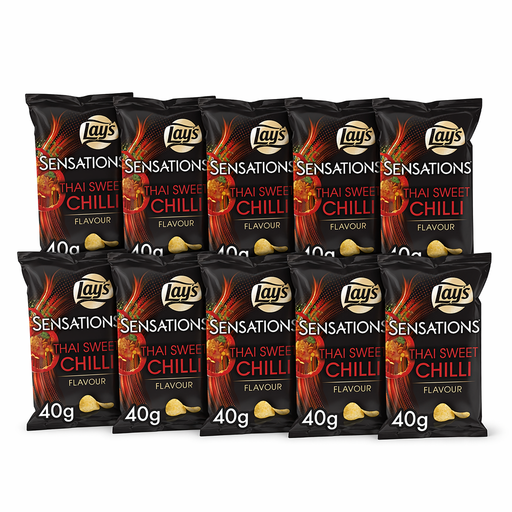 Image unavailable
Individual bags are handy for taking with you or sharing.
Pack of 10 bags of 40 g. Check the nutritional information per bag if you want to include its protein in your intake.
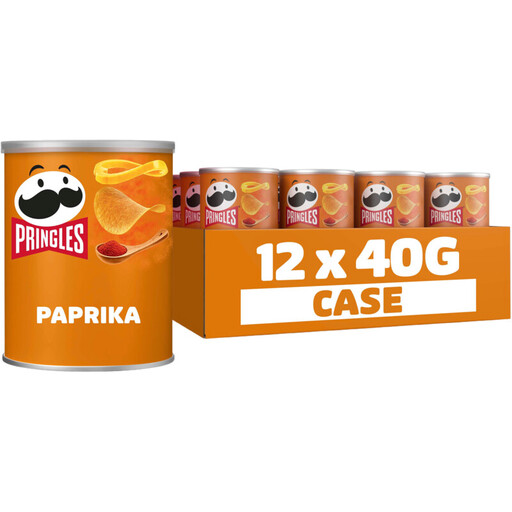 Image unavailable
Individual bags are a handy option for lunchboxes or sharing.
Pack of 12 bags of 40 g. Check the label for protein and allergens for this Red Pepper variety, rather than the one for Pringles Original.
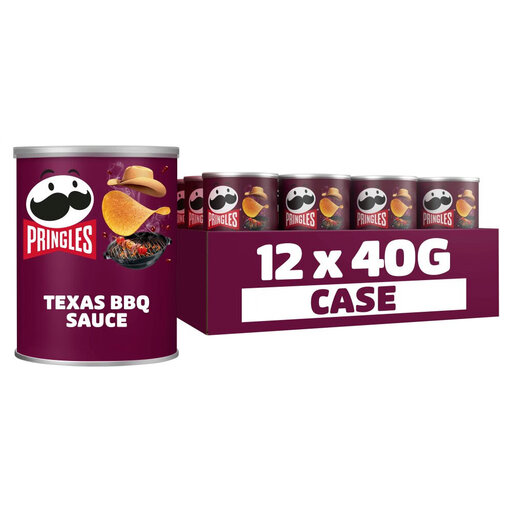 Image unavailable
This pack size is handy if you want to take individual portions of crisps with you or share them.
Pack of 12 bags of 40 g. Check the label for protein and allergens for the Texas BBQ Sauce variety.
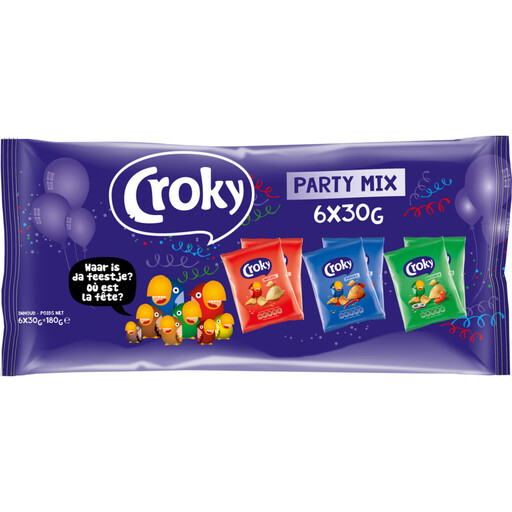 Image unavailable
A mix of crisps to consider when sharing matters more than sticking to one flavour.
180 g pack. Check what’s included and the nutritional information per portion before choosing this mix for lunchboxes.
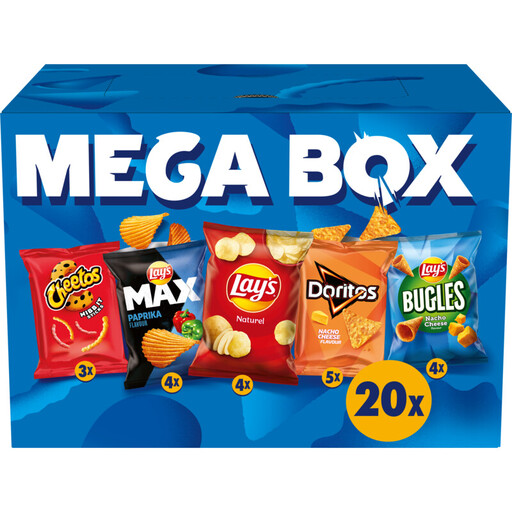 Image unavailable
This mixed box is ideal for sharing a selection of snacks.
Multipack with 20 items. Check the ingredients, allergens and protein content for each variety before handing out the bags.
Not based on the multipack packaging: that tells you how many portions you get, not how much protein they contain. For a 40 g bowl of assorted crisps, the Voedingscentrum gives 2.5 g of protein. Check the label on each bag to make the right choice for you.
Start with the protein content and weight of the bag you plan to take with you. Then read the ingredients and allergen information for that exact flavour: details for another variety won’t necessarily apply.
No. The nutritional information describes the product; it doesn’t determine your personal daily requirement. The Voedingscentrum gives an average of 0.83 g of protein per kilogram of body weight per day for adults, and notes that requirements can vary between groups.