
Own-brand and pack-size comparers
You fancy a savoury snack while studying and are considering an own-brand bag that you can split across several snack breaks. Compare the pack weights and choose a flavour you’ll actually enjoy.


An own-brand bag is a good choice if you want to serve yourself some crisps in a bowl while you study. Individual bags work well if you want to decide in advance how much to have at each snack break. Choose a big brand if a particular flavour or crisp shape is what matters most to you. Whichever option you choose, compare the nutritional information per 100 g and check the ingredients on the pack you buy.
You fancy a savoury snack while studying and are considering an own-brand bag that you can split across several snack breaks. Compare the pack weights and choose a flavour you’ll actually enjoy.
You’d rather decide in advance how many crisps to have. You check the energy, fat and salt per 100 g, and if you have an allergy, you read the ingredients and allergen information on the exact pack.
A familiar flavour, a particular crisp shape, a tube or a small bag matter more to you than choosing a large own-brand bag.
First decide how many crisps you want for each study session, then compare pack sizes and labels. The Netherlands Nutrition Centre recommends comparing nutritional values per 100 g; an average 40 g bowl of crisps contains 215 kcal, 13,1 g of fat and 0,53 g of salt. You’ll find the values for your product on the packaging.
| What to consider | What to check | Who is this most important to? |
|---|---|---|
| Pack size and how much you’ll use | Check the total weight and consider whether you’ll split a large bag across your planned snack breaks. | If I want to snack more than once, I want a pack whose contents I’ll actually use. Around 33% of consumers put pack size and how much they’ll use first. |
| Quantity and nutritional values | Compare energy, fat and salt per 100 g; decide separately how much you want to eat. | During a long study session, I don’t want to keep eating from an open bag without noticing. For around 27% of consumers, quantity and nutritional information are the main considerations. |
| Flavour and shape | Choose the flavour and crisp shape you’re looking for, and read the ingredients list for that variety. | I’m looking for a familiar flavour or crisps that stack neatly, and I want to base my choice on that. This preference is the deciding factor for around 20% of consumers. |
| Individual packs | Check how many bags there are and the weight of each bag or tube. | It’s more convenient for me to have an individual snack ready in advance than to serve myself from a large bag. Around 20% of consumers give this packaging convenience top priority. |
Albert Heijn describes Lay's Oven Baked Natural as a variety with 50% less fat than regular potato crisps. This comparison relates to fat and, on its own, says nothing about how much you eat or the other nutritional values.
Also check the energy and salt per 100 g on the label, and decide on your portion in advance.
Information about a particular crisp flavour can change. A product page you looked at previously is no substitute for checking the label on the pack you’re using.
Before eating, check the ingredients and allergen information for the exact variety, especially if you need to avoid a particular ingredient.
A large pack can provide several snacks, but it doesn’t tell you how much to take out at a time.
Serve yourself the amount you want in a bowl first. If you’d rather have individual packs, check how many grams are in each bag.
Jumbo sells own-brand crisps, including 250 g bags of ready salted crisps.
Albert Heijn sells own-brand ready salted crisps, among other varieties.
Lay's sells potato crisps in ready salted, ridged and Oven Baked varieties, among others.
Pringles Original are stackable crisps sold in a tube; Pringles lists 40 g, 70 g and 165 g sizes.
Snack Day is Lidl’s own brand for crisps and other savoury snacks.
These Joybuy products give you a choice between individually packed crisps and larger packs from which you can serve yourself. Flavours and pack sizes vary; always check the label on your chosen variety for ingredients and nutritional values.
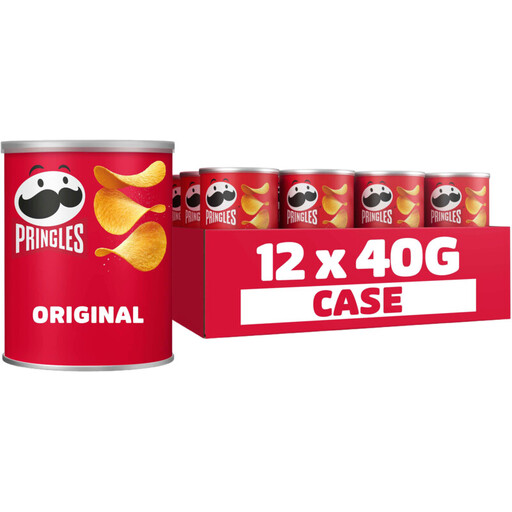 No image available
A good choice if you want to have individual packs ready for different study sessions.
The pack contains 12 units of 40 g. Check the ingredients and allergen information on the exact pack.
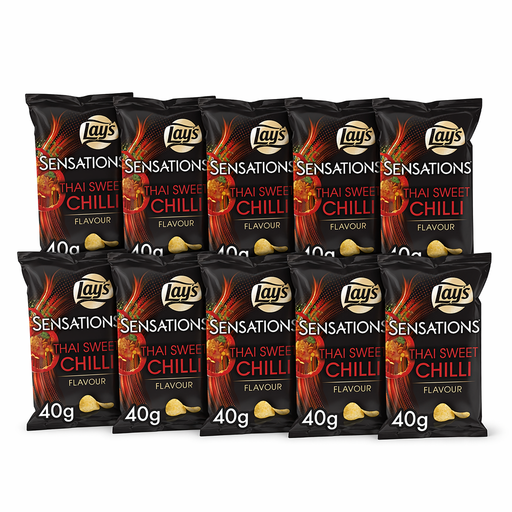 No image available
A good option if you want this particular flavour in individual bags for planned snack breaks.
The pack contains 10 bags of 40 g. Check the label on the pack you buy for ingredients and allergens.
 No image available
A ready salted variety for anyone who wants to serve themselves from a larger bag and compare the nutritional information.
The bag contains 150 g. Compare the values per 100 g on the label, even if you’re choosing it for its ‘less fat’ claim.
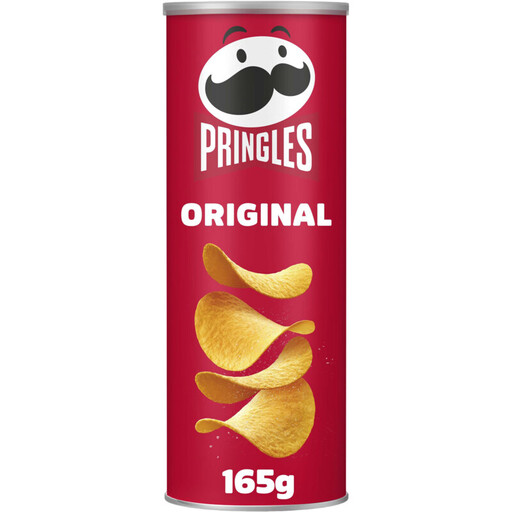 No image available
A good fit if you’re looking for Pringles Original in a tube and want to decide how many to have each time.
The tube contains 165 g; the crisps aren’t individually portioned. Check the ingredients and allergens on the packaging.
A large bag works well if you measure out the amount you want in advance and save the rest for another time. Individual bags make it easier to have a separate portion ready beforehand; check how many grams each bag contains.
No, a ‘less fat’ claim only compares the stated fat content. Albert Heijn describes Lay's Oven Baked Natural as a variety with 50% less fat than regular potato crisps; also check the energy, salt and the amount you’ll actually eat.
Read the label on the exact flavour and pack you’re going to use. Ingredients and allergen information can vary or change between varieties, so don’t rely solely on a product description you looked at earlier.
Compare the same nutritional values per 100 g, as recommended by the Netherlands Nutrition Centre. Then consider how much you want to eat: nutritional information per portion is only directly comparable when the portions are the same size.
Follow the storage instructions on the packaging for your crisps. Also check the product’s date information rather than applying one general storage period to all bags, packs and tubes.