Who are these points relevant to?

Shoppers who plan their carbohydrate intake

You want to work out the carbohydrates in your own portion, rather than choosing based only on claims such as ‘light’ or ‘less fat’. The Netherlands Nutrition Centre recommends comparing nutritional values per 100 g; then calculate the amount for the portion you’ll have.

Budget-conscious snack shoppers

You compare pack sizes and want to avoid confusing a good-value option with a suitable portion size. Alongside the price per kilogram, check the nutritional information and decide how much you’ll take from the bag.

Shoppers who also consider fat, salt or allergens

You don’t want to compare crisps based on carbohydrates alone. The Diabetes Fund also highlights saturated fat and salt as considerations for people with diabetes; if you have an allergy, check the ingredients and allergens for the exact variety.

What should you look for when choosing?

Start with the nutritional values per 100 g so you can compare crisps on a like-for-like basis. Then calculate the values for your portion and consider any other features that matter to you.

What to consider What to check before buying Who it’s most relevant to
Carbohydrates per portion Compare carbohydrates per 100 g, then calculate the amount for the portion you’ll actually have. Don’t just look at ‘of which sugars’. If I want to match my snack portion to my carbohydrate intake, I need to know what it contains. Around 42% of consumers prioritise carbohydrates.
Energy and fat Check energy and fat per 100 g, and check the carbohydrate content separately; ‘less fat’ doesn’t tell you anything about carbohydrates on its own. If I’m mainly comparing options with less fat, I don’t want to confuse that with having fewer carbohydrates. Around 33% of consumers prioritise energy or fat.
Price and portion size Compare packs by price per kilogram and decide in advance how much you’ll take from a larger bag. When I buy a larger, better-value bag, I want to choose how much to put in a bowl. Price and portion size are the main considerations for around 25% of consumers.

Common mistakes

  • Assuming ‘less fat’ means ‘fewer carbohydrates’

    According to the Netherlands Nutrition Centre, a 40 g bowl of light plain crisps contains an average of 25.4 g of carbohydrates. So choosing a lower-fat option doesn’t mean you can skip checking the carbohydrate content.

    Compare carbohydrates per 100 g first, then calculate the amount for your portion. Treat fat and energy as separate factors.

  • Looking only at sugars

    According to the Netherlands Nutrition Centre, digestible carbohydrates include both starch and sugars. So a low figure for ‘of which sugars’ doesn’t tell you the total carbohydrate content of the crisps.

    Check the ‘carbohydrates’ line; use ‘of which sugars’ as additional information.

  • Treating a large bag as a portion

    The size of the bag doesn’t determine how much you eat. The nutritional value of your snack depends on the amount of crisps you take from it.

    Put the amount you want in a bowl beforehand or weigh it out, then calculate the nutritional values for that amount.

  • Not checking the label on the pack you’re buying

    Ingredients and allergens vary between varieties. For example, the product information for Pringles Original lists wheat and gluten; that doesn’t apply to every other variety of crisps.

    Check the ingredients and allergens on the pack every time you buy, especially if there’s something you need to avoid.

Brands to compare

Lay's

Lay's Naturel and Lay's Oven Baked Naturel are different varieties, so compare them separately.

  • With the Oven Baked Naturel variety, you can assess fat and carbohydrates separately; Jumbo lists its carbohydrate content as 70 g per 100 g.
  • Don’t assume that oven-baking means fewer carbohydrates too. Check the values on the pack you choose.

Pringles

Pringles Original should be assessed as a separate variety; its nutritional values don’t automatically apply to other flavours.

  • Pringles lists 54 g of carbohydrates per 100 g for Original, which you can use to calculate the amount in your portion.
  • If you have an allergy, check the label too: the product information for Original lists wheat and gluten.

Albert Heijn

AH Ribbelchips naturel minder vet is a supermarket own-brand option for anyone specifically comparing fat content.

  • According to Albert Heijn, this variety contains 35% less fat than AH Ribbelchips naturel.
  • That comparison is about fat, not carbohydrates. Check both values on the pack.

Jumbo

Jumbo Chips Naturel is an own-brand option for comparing pack sizes and price per kilogram.

  • The 250 g bag gives you a set pack size for comparing prices.
  • A good price per kilogram tells you nothing about the nutritional value of the portion you eat.

Lidl Snack Day

Snack Day is Lidl’s own brand, with plain crisps among its range.

  • You can include the plain variety when comparing supermarket own brands.
  • For a nutritional comparison, use the information on the exact pack.

Smiths

Smiths makes a range of shaped snacks, including Wokkels, Bugles and Nibbit.

  • Compare a specific variety with crisps if it suits the type of snack you’re looking for.
  • Don’t make assumptions about carbohydrates or other nutritional values based on the brand name; check the label on the product you choose.

Crisps to browse on Joybuy

These varieties give you a range of flavours and pack sizes to compare. If you’re choosing with carbohydrates in mind, always check the nutritional information for the exact variety and calculate the amount for your own portion.
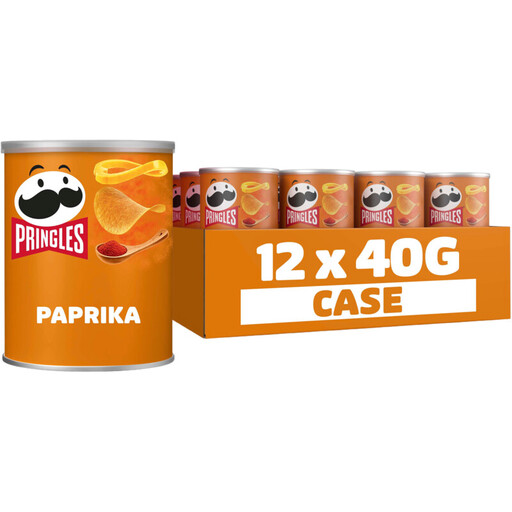
Pringles Red Pepper Flavoured Potato Chips, 12 × 40 g

Pringles Red Pepper Flavoured Potato Chips, 12 × 40 g

The individual packs give you a set amount, making it easy to work out the carbohydrates in each bag you eat. Check the allergens on the pack for this flavour too.

View on Joybuy
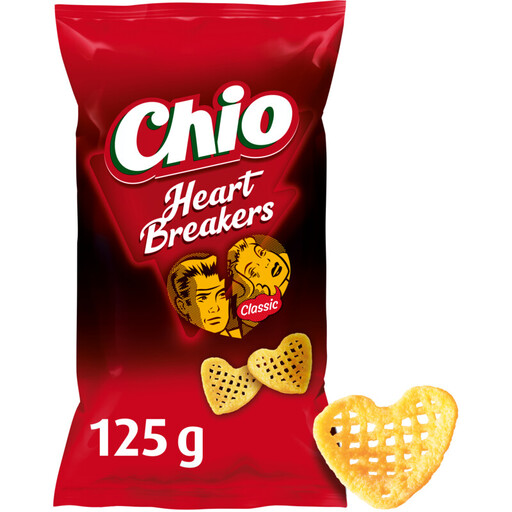
Chio Heartbreak Potato Chips, 125 g

Chio Heartbreak Potato Chips, 125 g

To compare these potato crisps with another variety, use the nutritional information per 100 g and calculate the amount for the portion you’ll have.

View on Joybuy
Chio Oven Chips Sea Salt, 125 g

Chio Oven Chips Sea Salt, 125 g

If you’re looking for an oven-baked variety, compare its fat, carbohydrates and salt separately with other crisps. Check the allergen label when choosing this variety too.

View on Joybuy
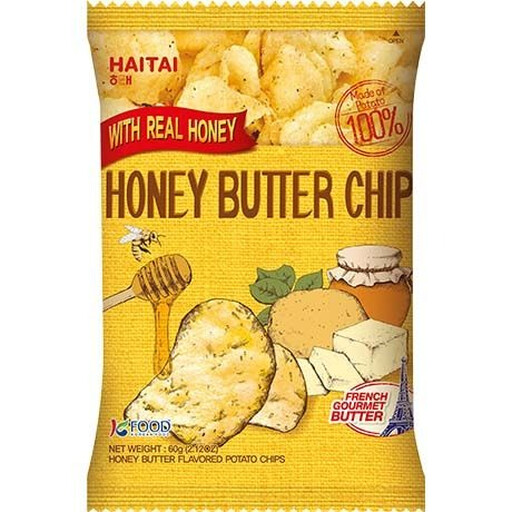
Haitai Honey Butter Chips, 60 g

Haitai Honey Butter Chips, 60 g

With this smaller bag, the amount you actually eat is still what matters when making a comparison. As well as carbohydrates, check the fat and energy on the label for this variety.

View on Joybuy
Lay's Oven Baked Natural, 150 g

Lay's Oven Baked Natural, 150 g

If you’re comparing an oven-baked variety, assess fat and carbohydrates separately. Use the carbohydrate value on the current pack to work out your portion.

View on Joybuy

Frequently asked questions

Are ordinary crisps specially suitable for people with diabetes?

No, ordinary crisps aren’t specifically intended for people with diabetes. The Diabetes Fund lists crisps as an occasional snack and advises people with diabetes to consider carbohydrates, saturated fat and salt, among other things. The amount that fits into an individual eating plan varies from person to person.

Is ‘of which sugars’ the most important value on the label?

No, check ‘carbohydrates’ first to find the total amount. The Netherlands Nutrition Centre explains that digestible carbohydrates also include starch; ‘of which sugars’ is just one part of this information.

Are light or oven-baked crisps always lower in carbohydrates?

No, those descriptions don’t tell you the carbohydrate content on their own. According to the Netherlands Nutrition Centre, a 40 g bowl of light plain crisps contains an average of 25.4 g of carbohydrates. So compare the exact varieties per 100 g.

How do I compare crisps when the packs list different portion sizes?

First compare the nutritional values per 100 g. The Netherlands Nutrition Centre uses this basis for product comparisons; then calculate the amount for the portion you’ll actually have.

Which information should I use if the online listing differs from my bag of crisps?

Check the nutritional information, ingredients and allergens on the pack you actually have. That way, you’re assessing the exact variety and portion rather than using information for a different flavour or pack.
