
Vandaag of morgen in huis

Kwaliteit gegarandeerd

Welkomstaanbiedingen ontgrendelen: GRATIS bezorging | Tot 80% korting | Gratis 30 dagen JoyPlus-proefperiode
Download de app
Searching online for crisps and snacks brings up plenty of choice: from classic potato crisps and baked crisps to vegetable crisps, fruit crisps, banana chips and Asian snacks. But eye-catching packaging doesn’t always tell you what you need to know. If you focus only on flavour or a discount, you could end up with a bag that’s too large, an unsuitable allergen list or a snack that isn’t right for the occasion.
This guide helps you compare products objectively by looking at ingredients, preparation methods, nutritional information, packaging and portion sizes.
Baked crisps are made with less oil than some fried varieties, but that doesn’t mean they’re low in calories or fat. Check the nutritional information per 100g as well as the actual weight of the pack. For example, Yan Jin Pu Zi O-Potao Tomato Flavour lists 24g of fat per 100g, while the original variety contains 32g of fat per 100g.
So treat terms such as “baked”, “oven baked” or “less oil” as one point of comparison, not the whole picture.
A 62g bag is easier to manage for an individual snack than a 185g or 200g pack. Even so, 62g is still the entire contents. Single-serve packs are handy for travel, lunchboxes or a quick break; larger bags and multipacks make more sense for a film night or having people round.
Check the stated serving size, too. Tyrrells Truffle & Sea Salt, for example, lists 30g per serving and five servings per pack. This makes it easier to compare products, as long as you don’t automatically count the whole bag as one serving.
Vegetable and fruit crisps can make an interesting change, but always check what they contain. According to the product information, Broccoli Chips are made up of around 97% broccoli, 2% rice bran oil and 1% salt, but they also contain 50g of fat per 100g. Strawberry Chips contain around 98% strawberries and a small amount of palm oil, according to the product information.
So a product with fruit or vegetables as its main ingredient isn’t automatically low in sugar, fat or energy.
Compare whether a product is baked, fried, freeze-dried or dried. The method affects its texture:
The preparation method matters most when you’re looking for a particular eating experience, not just when it’s used as a marketing term.
Read the first ingredients on the label. They’re usually listed in descending order by quantity. Also check specifically for:
For example, Lay’s Max Joppie contains mustard, according to the product information, while Lay’s Heinz Tomato Ketchup contains milk. Sa Giang Shrimp Crackers contain prawns, fish and molluscs, so they’re not suitable for people with an allergy to crustaceans or related allergens.
“May contain traces of” isn’t a detail to overlook. If you have an allergy, it’s best to check the current packaging.
Compare products per 100g. Pay particular attention to fat, saturated fat, sugars and salt. Flavourings such as barbecue, cheese and onion, ketchup or sweet chilli can increase the sugar or salt content.
For more mindful snacking, you can also look for:
There’s no fixed product category called a “healthy snack”. Instead, look at the specific ingredients and choose a portion that suits the occasion.
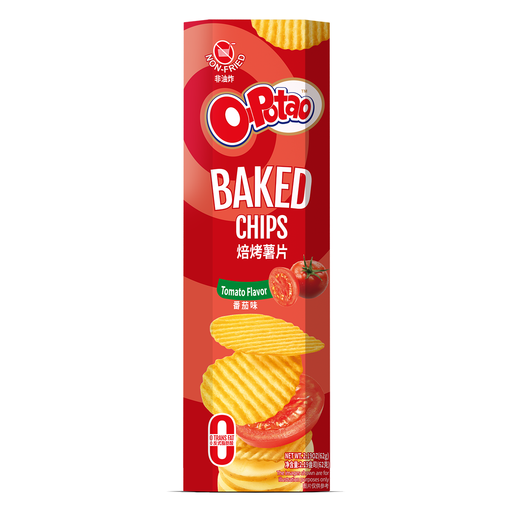
Why it suits this profile: The 62g pack is easy to manage for an individual snack, when you’re out and about or in a lunchbox. The tomato flavour offers an alternative to standard salted potato crisps.
The product information says the crisps are baked rather than fried and clearly lists the nutritional values per 100g. Check the current packaging for the full ingredients list.
62g; baked according to the product description; tomato flavour; ready to eat.
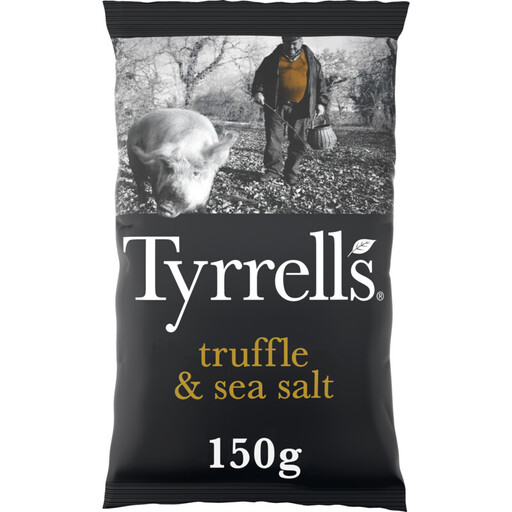
Why it suits this profile: These potato crisps are made for a more leisurely snack with drinks. Their ridged texture and truffle and sea salt flavour appeal to shoppers who care about texture and flavour combinations.
The pack lists a 30g serving, so you don’t have to count the whole bag as one portion.
150g; 30g per stated serving; made with the skin on according to the product information; may contain milk.
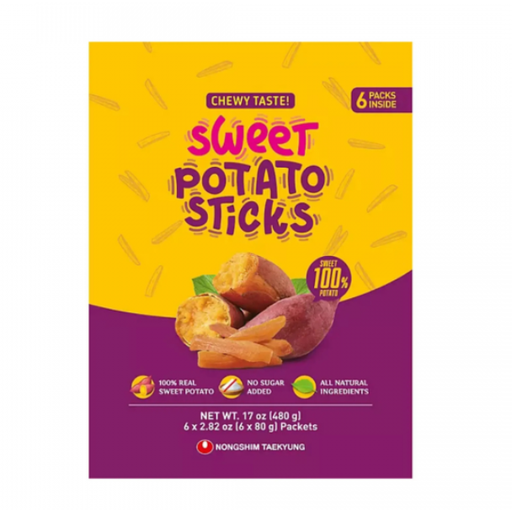
Why it suits this profile: The large pack is ideal for anyone who enjoys a hearty, naturally sweet snack and wants enough for several occasions or to stock the cupboard.
The ingredients list names sweet potato as the only ingredient. The large bag means fewer small packs, but you’ll need to seal it carefully after opening.
500g; 100% sweet potato according to the product information; no added sugar listed; none of the 14 major EU allergens listed.
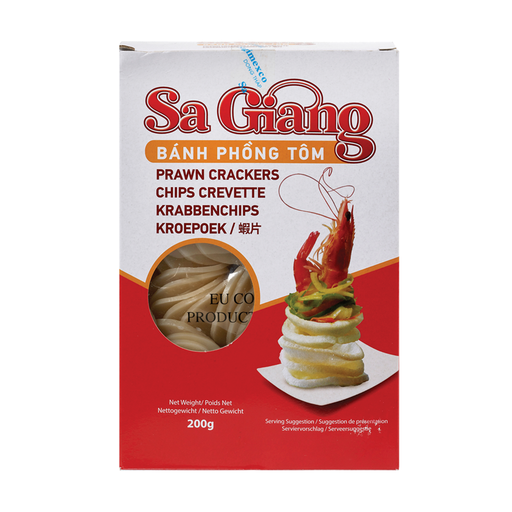
Why it suits this profile: The 200g pack works well as a snack to share with drinks, serve with rice or noodles, or enjoy between meals.
The allergens are clearly relevant: the product contains prawns and also lists fish and molluscs. This helps prevent an unsuitable purchase if you have an allergy.
200g; suitable for sharing; goes well with Asian meals; product information states that no artificial colours or preservatives are used.
We’ve put together a complete, up-to-date list of products that meet these strict selection criteria and current European safety requirements.
Choose a small pack that you can reseal or finish in one sitting. Packs of 20 to 85g, such as vegetable crisps, fruit crisps or baked potato crisps, are handy when you’re out and about. Just remember to check the pack size and allergen information.
It depends on the product. According to the product information provided, some baked varieties contain less fat than certain fried crisps, but other baked snacks can still be relatively high in energy. Always compare the nutritional information per 100g, rather than looking only at the preparation method.
Store opened crisps and snacks according to the instructions on the packaging, usually in a cool, dry place away from direct sunlight. Seal the bag well to keep them crisp. Protecting fruit crisps, vegetable crisps and dried sweet potato from moisture is especially important. Check the packaging if the snack smells musty, has become damp or appears damaged.
