If you need to avoid gluten or a specific allergen, only choose crisps after checking the ingredients and any warnings on the current packaging. A plain flavour or a gluten-free label won’t answer every dietary question. According to the Netherlands Nutrition Centre, a regular meal containing carbohydrates and protein, along with plenty to drink, should remain the foundation after exercise; crisps are, at most, an addition. If you’re mainly comparing fat content, you could also look at oven-baked crisps, but be sure to check the other nutritional information and allergens too.
Which questions matter to you?
People who exercise and avoid gluten or a specific allergen
For you, whether the exact flavour and packaging are suitable matters more than the brand name. The Netherlands Food and Consumer Product Safety Authority (NVWA) explains how allergens are listed on labels. Read the ingredients and consider any warnings about cross-contamination in light of what you need to avoid.
People who want crisps alongside a meal
You fancy something savoury after exercising, but don’t want a bag of crisps to take the place of your meal. The Netherlands Nutrition Centre highlights a regular main meal, carbohydrates, protein and plenty to drink as things to consider around exercise.
People comparing crisps by fat content
You’re considering an oven-baked option, but you’re also comparing the portion size and other nutritional information. Fat content alone won’t tell you whether a product meets your allergen needs or fits with what else you eat after exercise.
What should you look for when choosing?
If you have a strict dietary requirement, start by checking the label on the exact pack. Then decide how the snack fits alongside your meal, and only after that compare the nutritional values of different options.
| What to consider |
What to check when buying |
Who it matters to |
| Gluten and other allergens |
Read the ingredients for the exact flavour and pack. Check for any warnings about cross-contamination too; a ‘gluten-free’ label doesn’t answer questions about other allergens. |
If I need to strictly avoid an ingredient, I want to assess the packaging itself rather than rely on the flavour name. For around 42% of consumers, checking for gluten or another specific allergen comes first. |
| Meal and portion |
Decide whether you’ll still be having a regular meal, and check the portion size and nutritional information. The Netherlands Nutrition Centre highlights carbohydrates, protein and plenty to drink around exercise. |
After a workout, I want something savoury without the snack replacing my meal. For around 33% of consumers, how crisps fit alongside a meal is the top priority. |
| Fat and other nutritional values |
Compare fat and salt on the same basis, for example per 100 g, and consider what a portion means. Check the ingredients separately if you need to avoid something. |
I want to compare crisps by fat content, but I don’t want to make a decision based on one figure alone. For around 25% of consumers, comparing nutritional values is the main consideration. |
Common mistakes
-
Taking ‘gluten-free’ to mean ‘free from all allergens’
A gluten-free label relates to gluten; it doesn’t automatically mean a product is free from milk, soya or nuts, for example. The NVWA explains how allergens that must be declared are listed in the ingredients.
Work out which ingredient you need to avoid and check the full allergen information on the pack you’ve chosen.
-
Relying on a previous purchase or product photo
A familiar flavour may not always have the same recipe. Pringles itself points out that recipes can change.
When you buy, read the ingredients, nutritional information and any warnings on the pack you’re taking home.
-
Seeing crisps as a meal replacement
A portion of crisps won’t necessarily meet the points the Netherlands Nutrition Centre recommends considering for eating and drinking around exercise.
Think about the snack alongside your regular meal and drinks, rather than relying on crisps alone.
-
Comparing only a ‘less fat’ claim
That claim alone tells you nothing about the portion, salt content or ingredients. For example, Jumbo lists 0.85 g of salt per 100 g for Lay’s Oven Baked Naturel; that figure applies to that specific variety.
Compare the nutritional information for each variety on the same basis, then check again that the flavour you choose suits your dietary needs.
Brands and places to shop for inspiration
A brand or shop category can help focus your search, but it doesn’t determine whether an individual pack is suitable for what you need to avoid.
Lay’s
The Oven Baked range is one option if you want to compare crisps by fat content; nutritional values vary between varieties.
- For Lay’s Oven Baked Naturel, Jumbo lists 13.0 g of fat, 0.85 g of salt and 5.1 g of protein per 100 g.
- Don’t apply these values to other flavours, and check the ingredients and allergens on the pack you choose.
Pringles
Pringles sells stackable crisps in a range of flavours and pack sizes.
- The brand’s website recommends checking the ingredients and nutritional information on the packaging.
- Pringles says recipes can change. A familiar flavour or a previous purchase is no substitute for checking the current label.
Albert Heijn
Albert Heijn has a dedicated online category for gluten-free crisps.
- The category is a good place to start if you’re specifically filtering for gluten.
- For each individual product, check the latest information about other allergens and the packaging itself.
Jumbo
Jumbo groups gluten-free crisps and savoury snacks in its own online category.
- You can browse different types of crisps and savoury snacks without limiting your search to potato crisps.
- Being listed in the gluten-free category doesn’t mean a product is free from every other allergen you need to avoid.
Lidl
When choosing a shop-brand product for allergen reasons, start with the packaging itself.
- In store, you can check the ingredients and nutritional information on the exact pack.
- Don’t decide whether a product is suitable based only on its product title or flavour name.
Crisps and savoury snacks at Joybuy
This selection includes cassava crisps and oven-baked crisps for anyone looking for something savoury after exercise. First check the ingredients and allergens that matter to you for each flavour; crisps are no substitute for a regular meal.
 No image available
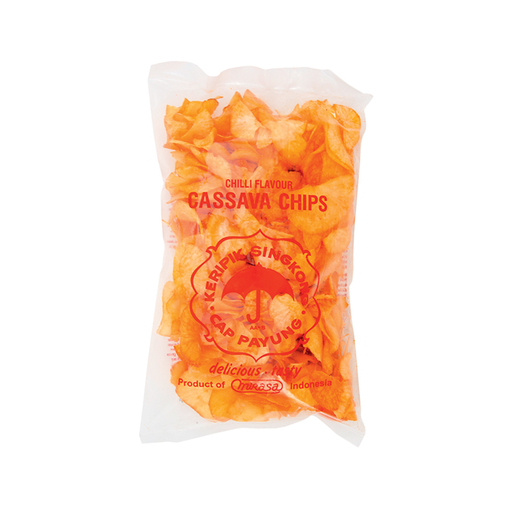
Mirasa Chilli Cassava Crisps 250 g
A cassava crisp snack for anyone in the mood for something savoury after exercise. If you have an allergen requirement, check the ingredients and any warnings on the current packaging before choosing this flavour.
Pack size: 250 g.
View at Joybuy
 No image available
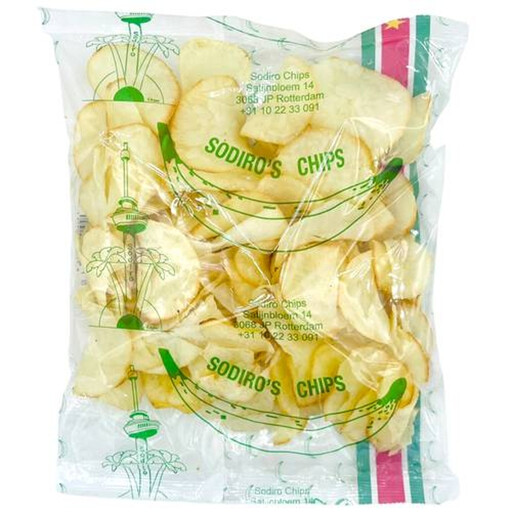
Sodiro Cassava Crisps 100 g
Pay close attention to the label on these cassava crisps if you need to avoid soya or peanuts: the product information lists soya oil and possible traces of peanuts. Check the current packaging before deciding.
Pack size: 100 g.
View at Joybuy
 No image available
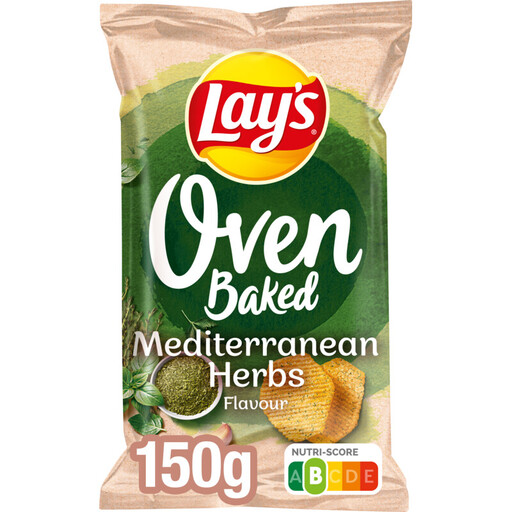
Lay’s Oven Baked Mediterranean Herbs 150 g
An oven-baked option to compare with other crisps for nutritional value. The product information lists milk as an allergen; don’t choose this flavour based on the cooking method alone, and read the current packaging.
Pack size: 150 g.
View at Joybuy
 No image available
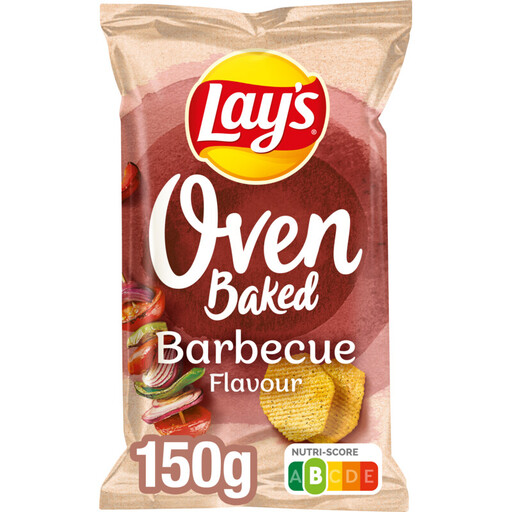
Lay’s Oven Baked Barbecue 150 g
An oven-baked barbecue flavour for anyone comparing crisps by fat and other nutritional values. The product information lists soya as an allergen; check the ingredients and any warnings on the current packaging.
Pack size: 150 g.
View at Joybuy
Frequently asked questions
Are plain crisps automatically gluten-free or free from allergens?
No. The flavour name won’t tell you which ingredients or allergens are in the exact pack. Read the current ingredients list and any warnings about cross-contamination; the NVWA explains how allergens that must be declared are listed on labels.
Is ‘gluten-free’ enough if I also need to avoid milk, soya or nuts?
No, that label answers the question about gluten. Check other allergens separately in the ingredients list and consider any warnings on the packaging.
Can crisps replace my meal after exercise?
Don’t rely on crisps as a substitute for a regular meal. For eating and drinking around exercise, the Netherlands Nutrition Centre recommends, among other things, a normal main meal containing carbohydrates and protein, as well as plenty of fluids. Think of crisps as a possible addition to that.
Are oven-baked crisps always the better choice after exercise?
No, the cooking method alone doesn’t determine which snack is right for you. Compare fat, salt and portion sizes on the same basis, and check the ingredients separately if you need to avoid gluten or another allergen.
Can I rely on the pack I bought last time?
Check the pack you’re buying now again. Pringles says recipes can change, so it recommends reading the current ingredients list and nutritional information.


