For a small office biscuit tin, choose based on how much you’ll get through after opening, not on the term ‘half loaf’. If it’ll only be used occasionally, a smaller pack or one with individually wrapped inner packs may be more practical. If it’s used every day, a larger pack could work, provided you store it somewhere cool, dry and dark, and keep it well sealed. Also check the ingredients for each variety and make sure the crispbreads will fit in the tin.
Who is this choice relevant to?
People managing a small office cupboard
You stock the biscuit tin for a small team or for visitors who only drop in occasionally. If a pack stays open for a long time, the quantity and how well it can be sealed matter more than the name of the pack size.
Colleagues who eat crispbread every day
If the stock gets used up quickly, you could consider a larger pack. For opened plain crispbread, the Voedingscentrum recommends storing it in a kitchen cupboard for up to one month, somewhere cool, dry and dark, and in a well-sealed container.
Buyers who check ingredients
You want to know the grain type, nutritional value or allergens for the exact variety you’ve chosen. Rye, wheat and sesame are used in different products; information about one variety doesn’t necessarily apply to another.
What should you look for when choosing?
Start by considering how much will be eaten after opening. Then compare the net weight and any inner packaging with the space in the tin. Always check the ingredients and nutritional information on the label of the variety you choose.
| What to consider |
What to check when buying |
Who it matters to |
| Keeping crisp after opening |
Compare the quantity with how much you expect to eat, and check that the tin seals well. |
If the tin is only topped up occasionally, I don’t want a large opened pack to go soft before it’s finished. For around 42% of consumers, limiting the amount left open is the most important consideration. |
| Pack shape and fit |
Check the net weight, whether there are separate inner packs, and the inside dimensions of the tin. |
I want to be able to store the crispbreads flat without opening more than I need. An estimated 33% of consumers say this practical fit is their top priority. |
| Ingredients and nutritional information |
Read the ingredients and allergen information for each variety; compare nutritional values on the same basis, such as per 100 g. |
The exact grain type or an allergen matters more to my choice than the pack size. For around 25% of consumers, ingredients and nutritional information come first. |
Common mistakes
-
Only checking the best-before date on the unopened pack
Once opened, storage becomes a different consideration. The Voedingscentrum recommends storing plain crispbread in a kitchen cupboard for up to one month, provided it’s kept somewhere cool, dry and dark, and well sealed.
Estimate how many crispbreads the team will eat in that time. If they’re used slowly, choose a quantity that suits your needs and seal the opened pack well.
Crispbreads that go soft before anyone eats them may end up going to waste.
-
Storing crispbread sandwiches like ordinary dry crispbreads
For opened crispbread sandwiches, the Voedingscentrum recommends two to five days in a kitchen cupboard, compared with one month for plain crispbread. This is worth bearing in mind if people don’t take anything from the tin every day.
Choose a sandwich variety only if it’ll be eaten within the shorter timeframe. If you’re stocking up for occasional use, factor the type of product into your choice.
-
Assuming ‘wholegrain’, ‘thin’ and ‘protein’ mean the same thing
These words describe different features. Wasa lists wholegrain rye among the ingredients of its Wholegrain variety; sesame is listed in the ingredients for Thin Rye Wholegrain, while Jumbo lists wheat and wheat gluten for Wasa Protein Wheat.
Check the ingredients, allergens and nutritional information for the exact variety you want to buy, rather than assuming it has the same features as another Wasa product.
-
Assuming all crispbread contains iodised salt
A general statement about baker’s salt doesn’t confirm which salt is used in a specific pack of crispbread.
If iodine content matters to you, read the ingredients list and, if necessary, ask the manufacturer for product-specific information.
Brands to consider
A brand name alone won’t tell you how large a pack is or how a particular variety should be stored after opening. Use these brands as a starting point, then compare the specific packs available.
Wasa
Wasa makes several rye, wholegrain and thin varieties. Wasa says that a pack used by the brand in a recipe contains two separate inner packs; check whether this also applies to the variety you’re buying.
- Wasa lists wholegrain rye flour as an ingredient in its Wholegrain variety.
- Ingredients vary by variety: sesame is listed in Thin Rye Wholegrain. Always check the label.
Albert Heijn
The own-brand range includes several crispbread varieties in its Dutch online category.
- Albert Heijn’s product category shows a range of pack weights and varieties, so you can compare the weight with how much your office gets through.
- Check whether the pack you choose has inner packs and whether the crispbreads will fit in your tin.
Lidl
Lidl Netherlands lists a 250 g wholegrain crispbread variety as a store product.
- The stated net weight gives you a useful starting point for planning your supplies.
- Check the packaging and ingredients of the current product in your chosen store.
Leksands
Several varieties from this crispbread brand are listed in Albert Heijn’s online category.
- You can compare the varieties by pack weight and ingredients.
- Don’t assume from the brand name that a pack has separate inner packaging; check the specific pack.
Ryvita
Ryvita describes Original Crispbread as a rye product. Check the ingredients on the label of the pack you buy.
- Ryvita lists wholemeal rye flour, rye flour and salt as ingredients in Original Crispbread.
- Check the local range and packaging before choosing this variety for your office supplies.
Joybuy products for the office cupboard
These crispbread and cracker products come in a range of pack weights for office supplies. Compare the weight with how much you expect to be eaten, and check the size of the crispbreads and any inner packaging before filling the biscuit tin.
 Image unavailable
Wasa Sourdough Rye Crackers, 235 g
Consider this pack if 235 g is a good fit for how much is eaten at your office. Compare the size of the rye crackers with the inside dimensions of the tin, and check the packaging for ingredients and how to seal it after opening.
View at Joybuy
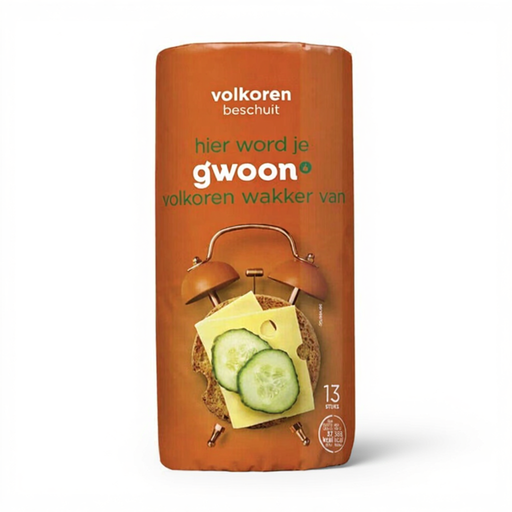 Image unavailable
g'woon Wholegrain Crispbreads, 125 g
A 125 g pack is worth considering if your office supplies are used up slowly. Check which grains and allergens are listed for this variety, and how you can seal the pack after opening.
View at Joybuy
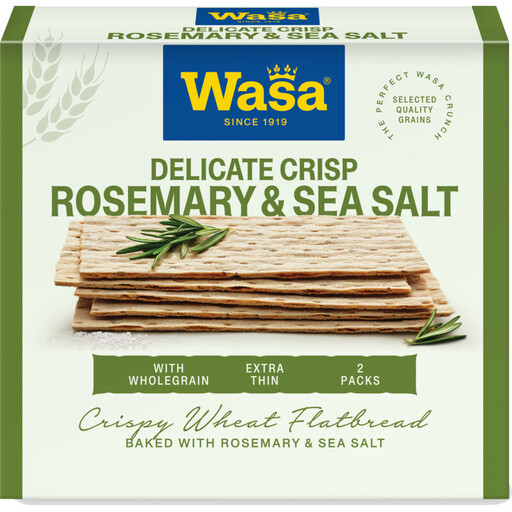 Image unavailable
Wasa Thin Crisp Rosemary & Salt, 190 g
These thin crackers flavoured with rosemary and salt are an alternative to ordinary crispbread. Check whether their shape will fit in the tin and whether 190 g is right for how much is eaten.
View at Joybuy
 Image unavailable
Wasa Rustic Crispbread, 215 g
This pack could suit an office where 215 g of crispbread will be eaten within the recommended storage time after opening. Before buying, check the size, ingredients and how the pack can be sealed.
View at Joybuy
 Image unavailable
Bolletje Whole Grain Crispbread, 265 g
You’ll need a good level of demand to finish a 265 g pack after opening. Check the packaging to see whether portions are sealed separately if you don’t want to open everything at once, and check the ingredients for this variety.
View at Joybuy
Frequently asked questions
Is ‘half loaf’ a standard size for crispbread?
Don’t use ‘half loaf’ as a measure for office supplies. Compare the net weight, the number of crispbreads and whether there are any inner packs. Product categories at Dutch retailers such as Albert Heijn and Lidl list a range of pack weights. What’s more, the weight alone won’t tell you whether the crispbreads will fit in your tin.
How long can you keep opened crispbread in an office biscuit tin?
For plain crispbread, the Voedingscentrum recommends storing it in a kitchen cupboard for up to one month after opening, somewhere cool, dry and dark, and in a well-sealed container. For opened crispbread sandwiches, the Voedingscentrum recommends two to five days, so don’t treat them like ordinary dry crispbreads.
Does crispbread always contain iodine from baker’s salt?
No. Don’t assume that every pack contains iodine-rich baker’s salt just because it’s crispbread. Read the ingredients list for the exact variety, or ask the manufacturer for product-specific information if this matters to you.
Which allergens should I check for each variety?
Always check the label for the variety you’ve chosen, including any warnings about traces. Wasa lists rye in its Wholegrain variety and sesame in Thin Rye Wholegrain; Jumbo lists wheat and wheat gluten for Wasa Protein Wheat. These examples don’t necessarily apply to other products from the same brands.


