What should you look for when choosing?
First decide what matters most for how you’ll use it: a base for toppings, the grain content or checking dietary suitability. Then check the size and shape of the exact cracker if these matter for your serving plans.
| What to consider |
What to check |
Who it matters to |
| Base for toppings |
Check the flavour description and the shape of the cracker. Try wet or heavier toppings on one piece first. |
I want to serve a range of savoury toppings without the cracker dictating the flavour each time; for around 40% of consumers, this base for toppings is the priority. |
| Fibre and grains |
Compare fibre per 100 g and check which grains are listed in the ingredients. |
If I eat crispbread during the week too, I want to compare the nutritional information for different varieties. An estimated 30% of consumers give priority to this choice of grains and fibre. |
| Dietary requirements and allergens |
Read ‘contains’ and ‘may contain’ separately. If you need a gluten-free option, choose only a variety explicitly labelled as gluten-free. |
If a guest has dietary restrictions, I want to know exactly what’s in that particular pack. An estimated 30% of consumers put checking dietary suitability and allergens first. |
Crispbread and crackers on Joybuy
These products give you a few different starting points for topped crackers: a simple base, a thin cracker with a distinctive flavour or a variety to compare for fibre. For your world food night, also choose with the packaging, allergens and toppings you plan to serve in mind.
 No image available
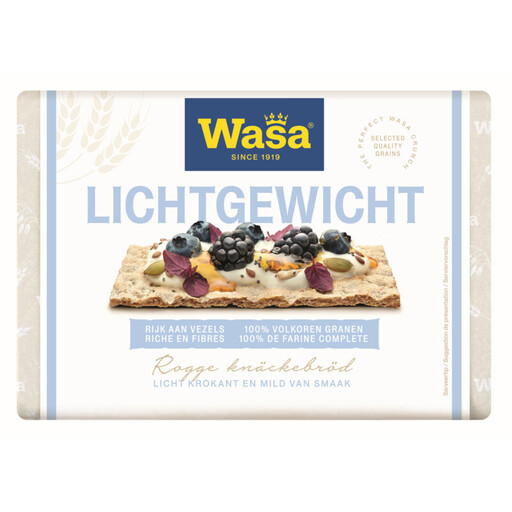
Wasa Lightweight Crackers 300 g
Consider these crackers if you want to serve a variety of toppings. The pack contains 300 g; check the allergens on the label and try wet or heavier toppings on one cracker first.
View on Joybuy
 No image available
g'woon Wholemeal Crispbread 375 g
This wholemeal crispbread is an option if you’re looking for a grain-based topping base. The pack contains 375 g; compare the nutritional information and check the allergens before choosing it for a group of guests.
View on Joybuy
 No image available
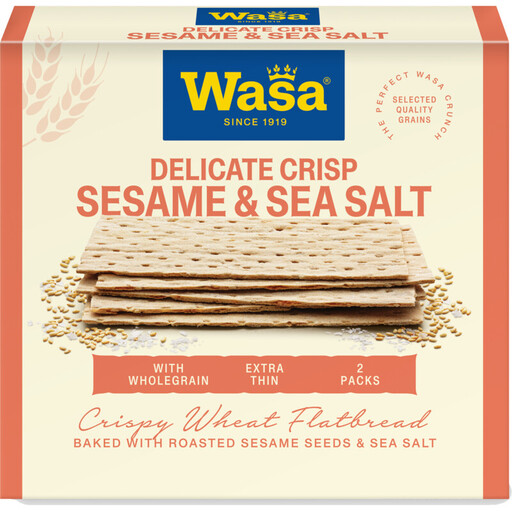
Wasa Thin Crisp Sesame 190 g
Choose this thin sesame cracker when sesame suits your toppings, rather than when you want a neutral-flavoured base. The pack contains 190 g; check the allergens and try heavy or wet toppings in advance.
View on Joybuy
 No image available
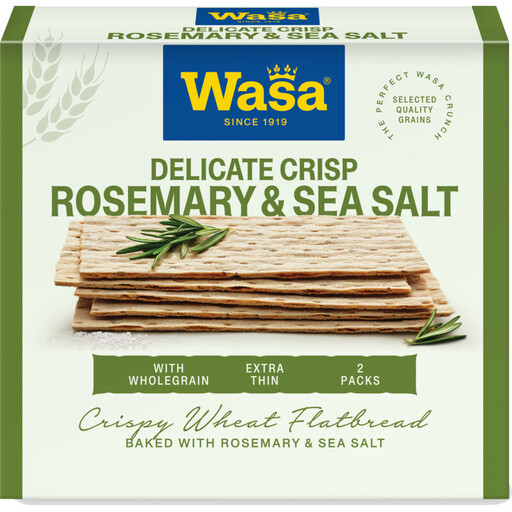
Wasa Thin Crisp Rosemary & Salt 190 g
The rosemary and salt flavour may work well with toppings chosen to complement it; this variety is less suited to a neutral base. This thin cracker comes in a 190 g pack. If salt content matters to your choice, compare the information on the label.
View on Joybuy
 No image available
Wasa High-Fiber Crackers 300 g
If you want to compare varieties by fibre content, start with the nutrition table for these crackers. The pack contains 300 g; also check the grains and allergens, and try the product separately to see whether it works with your planned toppings.
View on Joybuy
Frequently asked questions
What does ‘medium sliced’ mean for crispbread?
Don’t treat ‘medium sliced’ as a standard size for crispbread. Check the photo and packaging for the exact variety; a number such as Jumbo’s ‘5 x 5 pieces’ describes the pack format, not the size of an individual cracker.
Which crispbread lets a range of toppings shine?
Start with a variety without a distinctive addition such as sesame or rosemary if you want the toppings to set the flavour. Albert Heijn lists a simple base of wholegrain rye, yeast and salt for Wasa Wholegrain; with wet toppings, first try one topped cracker to see whether it works for the way you plan to serve it.
Is a higher-fibre variety automatically the right choice?
No, fibre content is just one of the things you can compare. Jumbo lists 26 g of fibre per 100 g for Wasa High Fibre, but also lists sesame, oats, rye and wheat. So check the ingredients and allergens as well as the nutritional information.
Can I serve regular wholegrain crispbread to someone on a gluten-free diet?
No, don’t rely on ‘wholegrain’ when choosing a gluten-free option. The regular Wasa varieties described by Albert Heijn and Jumbo contain rye and/or wheat. If gluten-free is essential, choose only a variety explicitly labelled as such and check the latest packaging.
Does all crispbread contain iodine because of baker’s salt?
Don’t assume that all crispbread contains iodised baker’s salt. If the type of salt or iodine content matters to your choice, check the product information for the exact variety or ask the manufacturer; general information about bread and baker’s salt won’t give you a product-specific answer.


