
Organisers of small meetings
You know how many people are expected and want to put out enough pieces without having lots left over. The packs of 4 × 4 and 5 × 5 pieces listed by Jumbo give you a helpful starting point.


For a small work meeting, the number of pieces in a pack is more useful than searching for ‘half a loaf’ of crispbread. For example, Jumbo lists packs containing 4 × 4 and 5 × 5 pieces. Choose an amount based on expected attendance, and if people have different dietary preferences, check the ingredients and allergens on the label of each variety.
You know how many people are expected and want to put out enough pieces without having lots left over. The packs of 4 × 4 and 5 × 5 pieces listed by Jumbo give you a helpful starting point.
You want to offer a choice, such as wholegrain crispbread and a variety with seeds, without opening more packs than necessary. Check the ingredients and allergens on the current packaging of each variety you choose.
If someone asks about ingredients, allergens or iodine, you’ll need information about the specific product. Don’t assume that a characteristic applies to crispbread as a whole.
For a small work meeting, first decide how many pieces you want to serve. Then choose how many varieties to open and check their labels.
| What to consider | What to check when buying | Who should pay particular attention? |
|---|---|---|
| Quantity and leftovers | Compare the number of pieces with expected attendance and allow for a possible spare. | If I’m buying for a small group whose numbers are predictable, I don’t want to be left with lots of crispbread afterwards. Getting the quantity right is the top priority for around 42% of consumers. |
| Ingredients and allergens | Read the current label for each variety; check whether baker’s salt is listed if iodine is relevant. | When attendees have different dietary requirements, I want to know what’s in each variety before serving it. For around 33% of consumers, checking the product is the first priority. |
| Flavour and type | Choose between a plain variety and one with a more distinctive flavour, such as a seeded variety, without opening more packs than needed. | If I don’t know which flavours my colleagues will prefer, I want to offer some variety without having lots left over. Flavour and type matter most to around 25% of consumers. |
That description doesn’t tell you how many pieces you can serve. Jumbo lists crispbread packs containing, among other options, 4 × 4 and 5 × 5 pieces.
Plan based on the number of attendees, how many pieces you want to serve per person and the number of pieces in each pack.
A name such as ‘wholegrain’ or a description mentioning seeds doesn’t tell you which ingredients and allergens matter to each attendee. Product information can also change.
Where necessary, ask about dietary requirements in advance and read the labels on the packs you’ll actually be serving.
The Netherlands Nutrition Centre says that baking with baker’s salt isn’t compulsory. So a general assumption about crispbread won’t tell you what’s in the pack you’re buying.
If someone has a specific question about iodine, check the ingredients list for the particular product.
For anyone looking to choose between different types of crispbread. Jumbo lists several Wasa varieties in its range.
The own-label range includes crispbread packs containing 4 × 4 and 5 × 5 pieces.
Another brand to consider if you’re looking at wholegrain crispbread; Jumbo lists a Bolletje pack containing 4 × 4 pieces.
These products include crispbread in different pack sizes and varieties, as well as a filled snack. For your meeting, compare the number of pieces in each pack, then decide how many varieties you need.
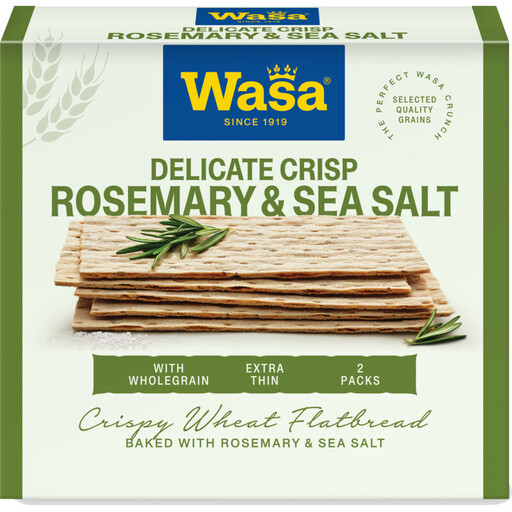 Image unavailable
A rosemary and salt variety if you’d like to offer a different flavour alongside a plain option.
Check the current number of pieces and the label before planning portions and catering for attendees’ dietary requirements.
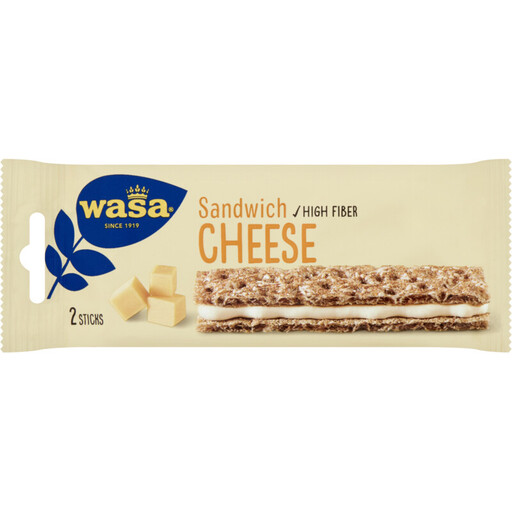 Image unavailable
A filled crispbread snack for a meeting where you want to put out individual portions, rather than a plain base for toppings.
The pack lists 3 × 31 g. Check the ingredients and allergens on the current packaging.
 Image unavailable
A wholegrain variety to consider if you want to serve crispbread as a base for toppings.
The pack weighs 265 g; check the total number of pieces before working out how many to serve per attendee.
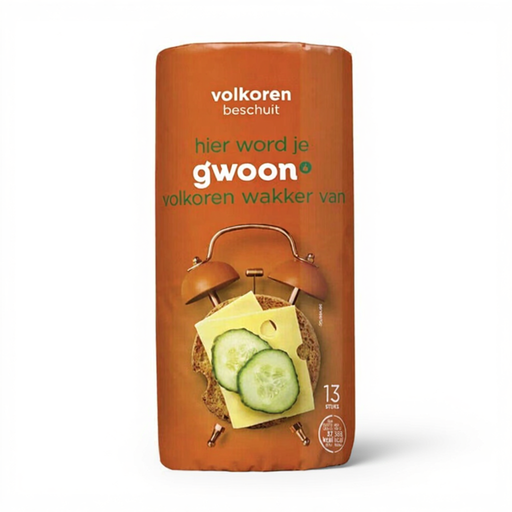 Image unavailable
A 125 g pack to compare when you’re buying for a small group.
If you’re planning portions per attendee, check the number of pieces in the pack and read the label for ingredients and allergens.
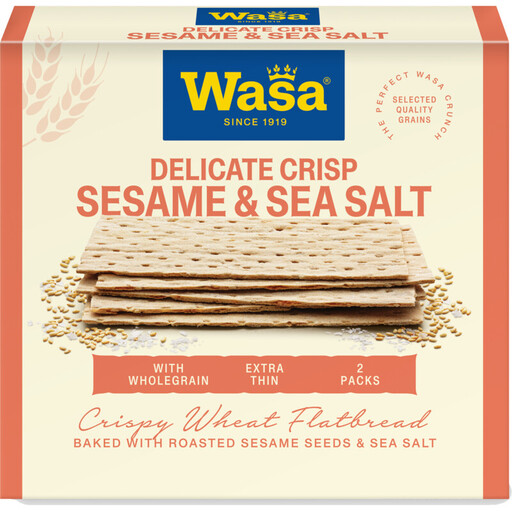 Image unavailable
A sesame variety if you’d like to offer a different flavour alongside a plain option.
The pack weighs 190 g. Check the number of pieces and the current label, especially if an attendee needs to avoid sesame.
Look at the number of pieces and the pack weight, rather than relying on that search term alone. For example, Jumbo lists crispbread packs containing 4 × 4 and 5 × 5 pieces; compare those quantities with what you want to serve at your work meeting.
One variety means fewer packs to open if you know what people prefer. Consider a second variety if you want to offer more choice, but count how many pieces you’ll be putting out in total first.
No, you can’t assume that of every product. The Netherlands Nutrition Centre says that baking with baker’s salt isn’t compulsory. If iodine is relevant, check the ingredients list for the specific crispbread.
Read the current packaging before serving, especially if attendees need to avoid an ingredient. Albert Heijn warns that online information about ingredients, nutritional values and allergens can change.