
Fans of savoury brunch toppings
You’re looking for a crunchy base for toppings such as egg and tomato, rather than a sweet biscuit. Albert Heijn Allerhande uses wholemeal crispbread as the base for this combination.


Choose crispbread if you want a crunchy base for savoury toppings at Easter brunch. A digestive is a biscuit, so it’s better suited to a sweet course; it isn’t a direct substitute for crispbread. When choosing crispbread, compare the ingredients, nutritional information and allergens on the current label, especially if you’re hosting guests with specific dietary requirements.
You’re looking for a crunchy base for toppings such as egg and tomato, rather than a sweet biscuit. Albert Heijn Allerhande uses wholemeal crispbread as the base for this combination.
You want to compare the fibre per 100 g in wholemeal crispbread with its salt content, ingredients and serving size. The Netherlands Nutrition Centre points out that wholegrain products contain more fibre than comparable products made with refined flour.
Before buying, you check which gluten-containing cereals and other allergens a variety contains, as well as any warnings about possible traces of allergens. This information varies from product to product.
| What to consider | What to check when buying | Who it matters most to |
|---|---|---|
| Savoury toppings or a sweet biscuit | Check whether you’re choosing crispbread or a digestive biscuit, and think about how you plan to serve it. | For egg or tomato, I’m looking for a crunchy base, not a sweet biscuit; an estimated 40% of consumers prioritise a base for savoury toppings. |
| Ingredients and fibre | Check which cereals are listed as wholegrain and compare fibre and salt on the same basis, per 100 g. | When choosing between crispbread varieties, I want to know what’s in them and how their nutritional values compare; an estimated 40% of consumers say this is their top priority. |
| Allergens | Read the current ingredients list and any warnings about possible traces of allergens, including gluten-containing cereals and sesame. | If guests need to avoid certain ingredients, I want to be able to check the packaging before serving anything; checking for allergens is a top priority for an estimated 20% of consumers. |
Albert Heijn describes AH Digestive as a biscuit. That makes it a different type of product from crispbread for your brunch table.
First decide whether you need a base for savoury toppings or a sweet biscuit for something like dessert.
The wholegrain label doesn’t tell you by itself how much fibre or salt is listed on a particular pack. The toppings you serve with it also matter.
Compare the nutritional information per 100 g, then check the ingredients and the toppings you plan to use.
Rye contains gluten. The Wasa, Albert Heijn and Jumbo varieties listed contain rye or other gluten-containing cereals; warnings about possible traces of allergens may also vary.
If you’re looking for a gluten-free option, check that the packaging clearly states this and read the full allergen label.
According to the Netherlands Nutrition Centre, the use of iodised baker’s salt in bread isn’t compulsory. This doesn’t tell you how much iodine is in a particular pack of crispbread.
Don’t assume a crispbread product contains a certain amount of iodine based on its type; check product-specific information if iodine is important to your choice.
Wasa Wholemeal is a rye crispbread for anyone looking for a short ingredients list.
On its UK product page, Ryvita describes Original Crispbread as a rye-based variety.
AH Wholemeal Crispbread comes in a 375 g pack, worth comparing if you’re looking for crispbread for several brunch guests.
Jumbo lists a 375 g pack of wholemeal crispbread, divided into 5 × 5 pieces.
These products are crispbread options for anyone looking for a crunchy base for brunch toppings. Compare the variety and pack size, and always check the current label if you have specific dietary requirements.
 Image unavailable
A cracker option if you’re looking for a crunchy base for brunch toppings.
If you need to check allergens, look on the packaging for gluten-containing cereals, sesame and warnings about possible traces of milk.
 Image unavailable
A crispbread option to consider if you’re putting out toppings for several brunch guests.
If you need to check allergens, read the current label carefully, paying particular attention to gluten-containing cereals and sesame.
 Image unavailable
A wholegrain crispbread option to compare if you’re looking for a base for brunch toppings.
Check the ingredients and any allergen warnings on the packaging, especially if wheat, rye, barley or sesame are relevant to you.
 Image unavailable
A rye crispbread option if you’re looking for a simple base for savoury toppings.
Rye contains gluten. If you need to check allergens, also read the current packaging for warnings about possible traces of sesame and milk.
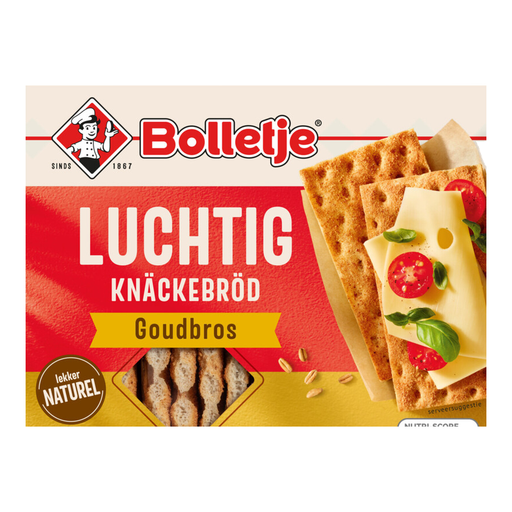 Image unavailable
A crispbread option if you’re looking for a crunchy base for toppings.
If wholemeal flour is important to your choice, check the ingredients list rather than relying on the variety name.
No. A digestive is a biscuit, while crispbread is a different type of product. For Easter brunch, choose crispbread if you want a crunchy base for savoury toppings, and a digestive if you’re deliberately serving a sweet biscuit as part of the meal.
Wholemeal or rye crispbread can make a crunchy base for savoury toppings. For example, Albert Heijn Allerhande pairs wholemeal crispbread with egg and tomato. Then choose a pack based on its ingredients, nutritional information and allergens.
Seal opened crispbread well and follow the storage instructions on the packaging. Albert Heijn recommends keeping its wholemeal crispbread in a sealed tin once opened; add the toppings shortly before serving if you want to keep it crunchy.
Read the current ingredients list and allergen information on the specific pack. The Netherlands Food and Consumer Product Safety Authority requires allergens to be clearly listed on the labels of prepacked foods. For crispbread, look out in particular for gluten-containing cereals, sesame and any warnings about possible traces of allergens.
No. You can’t tell the iodine content from the type of product alone. The Netherlands Nutrition Centre says that using iodised baker’s salt in bread isn’t compulsory; check product-specific information if iodine is a factor in your choice.